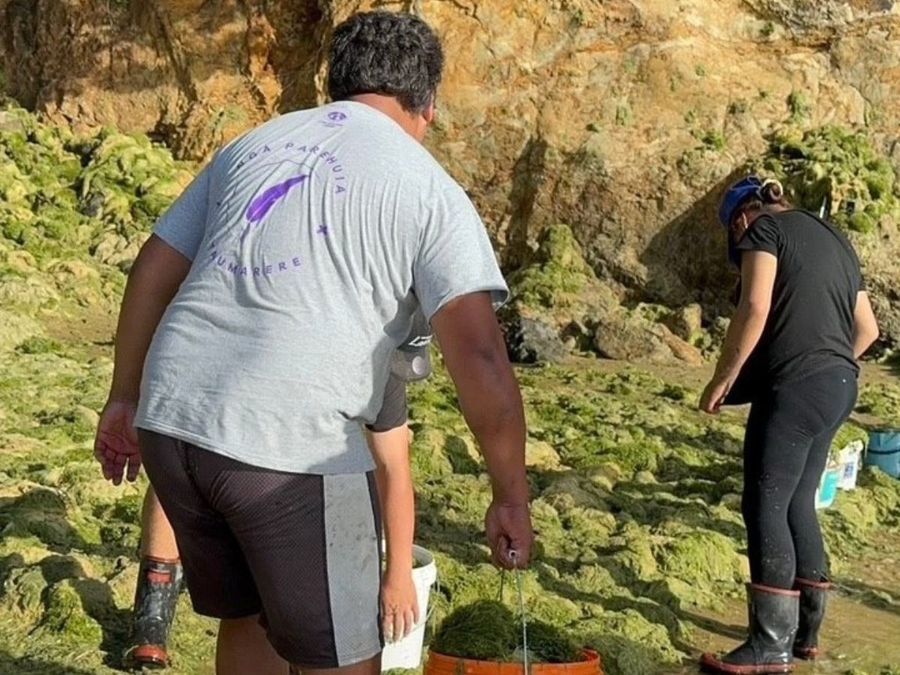
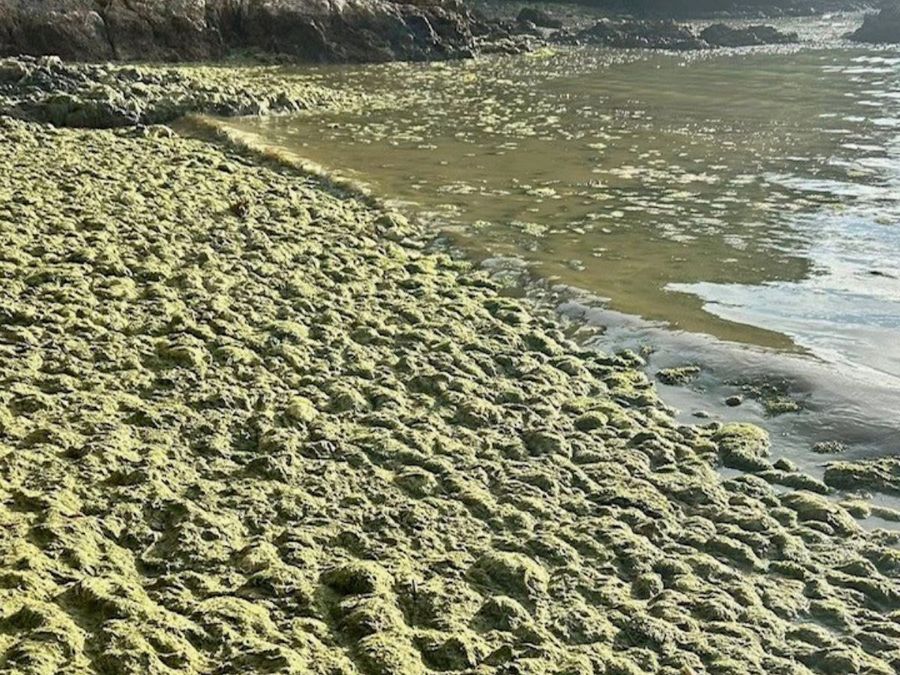
For the locals, this wasn’t just seaweed—it was a warning. Exotic caulerpa, a fast-growing pest capable of smothering native marine habitats, has been creeping across parts of the Bay of Islands for several years. But the storm made it visible, urgent, and real. Over Easter weekend, more than 200 people turned up to help. Iwi members, community volunteers, families and local leaders brought gloves, rakes, and bins. They moved the seaweed above the high-tide line to stop it washing back out to sea. It was gritty, smelly, physical work—but it made a difference. That spontaneous clean-up effort became a rallying point for a wider campaign to stop caulerpa from taking over Northland’s coastal waters.
To support the volunteers and prepare for future weather events, Biosecurity New Zealand contributed $20,000 to Whangaroa Taiao Ltd, one of the clean-up’s key organisers. The funding is now being used to buy proper collection gear, nets, bins and bleach stations to clean down equipment—so the next response will be faster, safer, and more effective. But community effort alone won’t be enough.
Turning to technology: the fight underwater
While volunteers tackled the problem on land, divers and scientists were already at work under the surface. Omakiwi Cove has become a proving ground for two major technologies designed to tackle exotic caulerpa where it grows—on the seabed. One of the most promising approaches is a chlorine-based treatment system called the
Rehabitat
, developed by Commercial Dive Specialists. Imagine a large underwater tent that encloses a patch of caulerpa, creating a sealed environment where chlorine and freshwater can be applied without harming surrounding marine life. Early results have been impressive—the weed dies off quickly, even in thick patches. The latest prototype includes inflatable sides, allowing the Rehabitat to be easily lowered, repositioned, and reused on different sites. The next goal is to scale up to 24-hour operation.

Just a few metres away in the same bay, a second method is being tested—this time using light instead of chemicals. Advanced Aquarium Technologies is trialling underwater panels fitted with UV-C lights, the same type of germicidal light used to sterilise hospital rooms. When directed at caulerpa for set periods of time, the light kills the plant cells without disturbing the surrounding environment. The team has tested it on everything from shallow-water infestations to previously dredged seabeds, with clear before-and-after images showing the weed dying off.

A bigger tool in the pipeline
A third removal project is still in development: a remote-controlled suction dredge designed to clean large patches of caulerpa without divers. A Northland-based engineering team is working with partners in Scotland to design a submersible dredge head that docks with a remotely operated vehicle. Trials are expected later this year.
The spread continues
Despite all this activity, exotic caulerpa continues to spread. New detections have been made in popular anchorages outside of Omakiwi Cove, including Tapeka Point, Paradise Bay, Cable Bay, and the waters around Motukiekie, Poroporo and Waewaetorea Islands. It’s a clear reminder of how easily caulerpa can travel—often by hitching a ride on anchors, fishing gear, or dive equipment.

That’s why Biosecurity New Zealand has issued strict rules for the Controlled Area around Omakiwi Cove: no anchoring, fishing, or diving without a permit. But outside the zone, every boatie still has a role to play. Before moving locations, check your anchor, chain, and any gear that’s been in the water. If you find any seaweed, remove it, bag it securely, and dispose of it well away from the ocean.

Talking to boaties where it matters
Communications campaigns across Auckland, Waikato, Northland and Bay of Plenty are helping to spread the word. Regional councils are producing videos, signage, editorials and social media content tailored for their communities. At boat ramps and beaches, local ambassadors are having conversations with marine users—explaining how a simple habit like checking your anchor can stop a serious pest from spreading. Most importantly, people are listening. The clean-up after Cyclone Tam showed what’s possible when a community sees the problem for what it is—and chooses to act. Now, with the help of science and smart tools, we’re no longer just reacting to caulerpa. We’re fighting back. Information from
Biosecurity New Zealand .