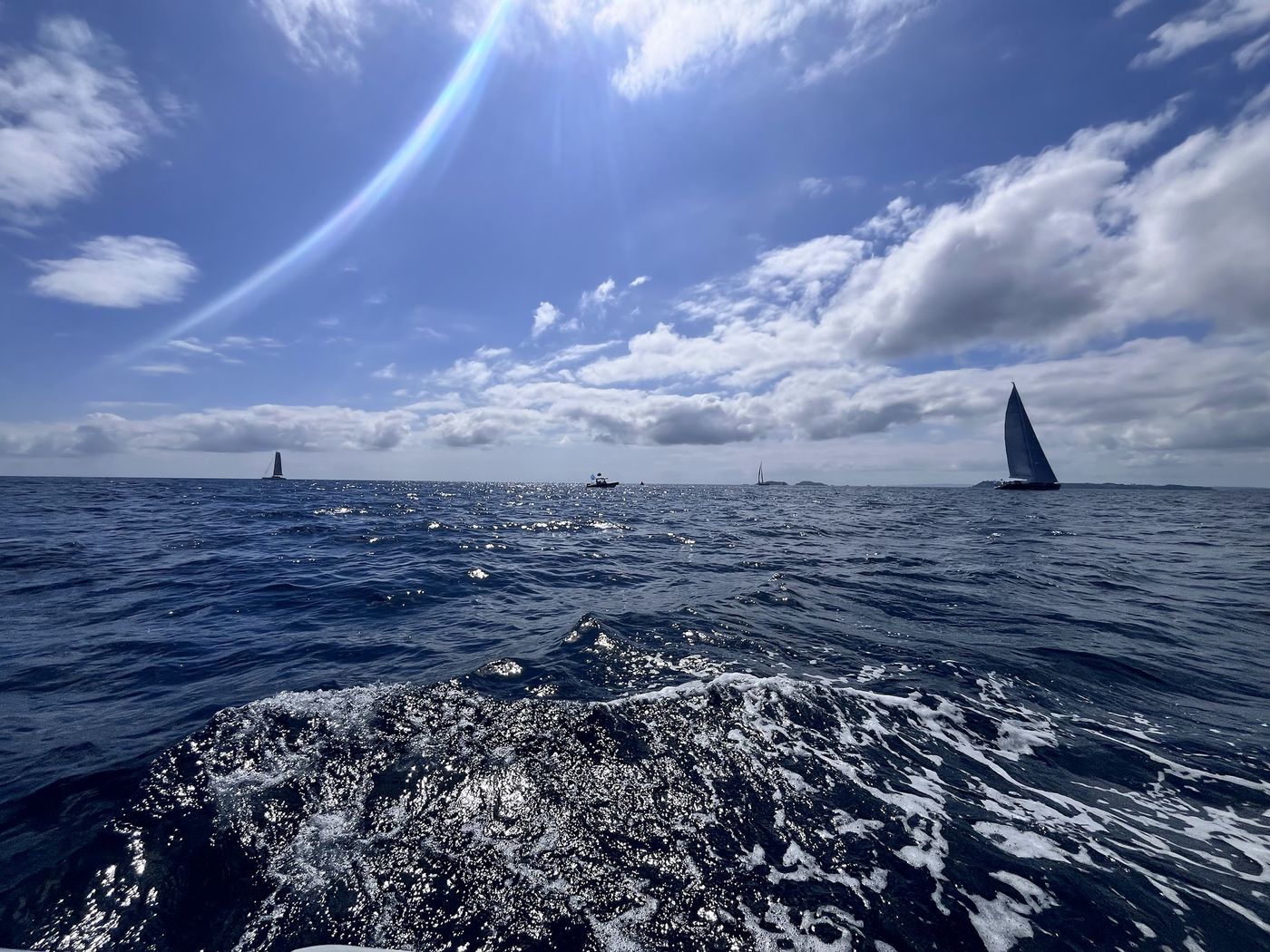
A $6 million government commitment sits at the centre of what officials are calling the most significant effort in a generation to restore the health of the Hauraki Gulf. The funding forms part of a broader $26 million package drawing on both public and private sources, with goals of reviving the marine environment, generating employment, and strengthening the relationship between communities and their coastal surroundings.
Conservation Minister Tama Potaka described the Gulf as one of New Zealand's great taonga, one that has endured far too long under pressure from pollution, sediment, and overuse. "We're taking practical steps to rejuvenate it, for our children, our kaimoana, and our communities. It supports tourism, hospitality, fishing, and recreation. When the Gulf is healthy, so are our people and our economy."
Approximately $6 million drawn from the International Visitor Conservation and Tourism Levy will fund infrastructure upgrades across Hauraki Gulf islands including Rangitoto, Tiritiri Matangi, and Kawau. Potaka noted that these islands collectively welcome more than 150,000 visitors every year. "Safer wharves, better walking tracks, and improved water systems will make it easier for families, schools, and tour operators to enjoy these special places, and ensure visitors leave them better than they found them."
The investment accompanies the newly enacted Hauraki Gulf / Tīkapa Moana Marine Protection Act, which establishes 19 new marine protected areas made up of 12 high-protection zones, five seafloor protection areas, and two extended marine reserves. The legislation represents the largest expansion of marine protection in more than a decade and came into force over Labour Weekend.
New law triples size of protected areas, expands marine reserves, and introduces high-protection zones to help restore life to the struggling Gulf. (Source: 1News)
Beyond the government's contribution, the NEXT Foundation will lead a philanthropic programme committing up to $20 million across five years to reef restoration. Divers and marine experts will remove urchins from degraded reefs, allowing kelp forests to regenerate and, in turn, drawing back populations of fish, crayfish, and shellfish. An initial $2 million from the NEXT Foundation will support pilot projects around Te Hauturu-o-Toi / Little Barrier Island and the Noises, along with a research programme at Motutapu, developed in partnership with mana whenua, the University of Auckland, and the Department of Conservation.
Potaka expressed confidence that visible results would come quickly, saying that within a couple of years the reefs would be teeming with life again. "This Act and the investment behind it are about kaitiakitanga in action, looking after our environment so it can look after us."
The Gulf contributes more than $5 billion to New Zealand's economy each year, underpinning livelihoods across tourism, hospitality, fishing, and recreation. Potaka put it simply: "When the Gulf thrives, our people thrive. It's that simple."