Powerboat performance discussions almost always circle back to engine output, yet one of the most consequential variables rarely gets the attention it deserves. Where the load sits on the hull shapes everything from the ease with which a boat climbs onto the plane to fuel economy on a long run and the confidence the helm inspires when the water turns rough.
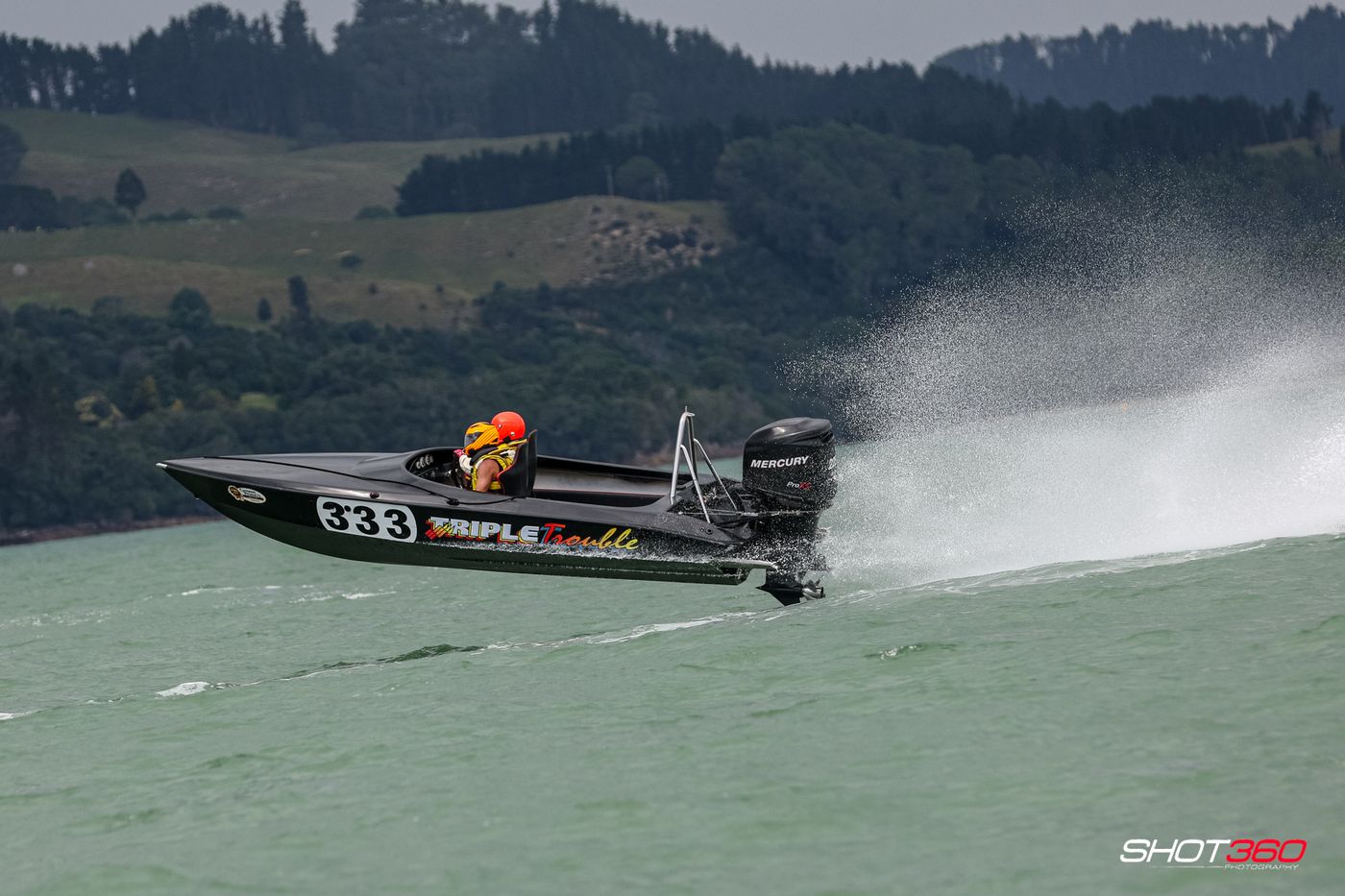
A hull is designed around a specific centre of gravity, and the boat performs at its best when the load keeps that centre close to where the designer intended. Shift too much weight forward and the bow digs in, piling up drag that robs speed and efficiency. Carry too much weight aft and the stern settles, the bow lifts, and steering becomes progressively less predictable. When the balance is right, the hull adopts the attitude it was built for, planes cleanly, and responds in the sort of consistent, manageable way that builds confidence at the helm. This is just as true of a trailer boat running a single outboard as it is of a larger inboard-powered vessel.
The fuel cost of getting the distribution wrong is easy to underestimate. A hull forced into an unintended attitude makes the engine work harder to reach and hold planing speed, and that extra effort shows up directly in consumption figures. Lateral balance carries its own significance, particularly when cornering or pushing through a chop. An even side-to-side load keeps the hull in steady, consistent contact with the water surface and removes a source of instability that can surface at exactly the moment it is least welcome.
Fixing the problem rarely requires anything mechanical. Spreading fuel use across multiple tanks rather than drawing from one side means asymmetric weight does not develop gradually as the run progresses. Asking passengers to position themselves so the boat sits on an even waterline makes a genuine, measurable difference. Heavy gear stowed as low as possible and kept close to the centreline contributes to the same effect. Over time, watching how different load configurations change the boat's attitude in the water builds an intuitive feel for what adjustments any particular day on the water calls for.
None of this is exclusive to any one type of boat. The same principles govern a 5-metre aluminium hull fitted with a 90hp outboard and a larger centre console or offshore craft alike. Getting weight distribution right costs nothing, demands no modifications, and yet sits among the most effective steps an operator can take to sharpen performance, stretch range, and keep the boat safe across whatever conditions the day brings.