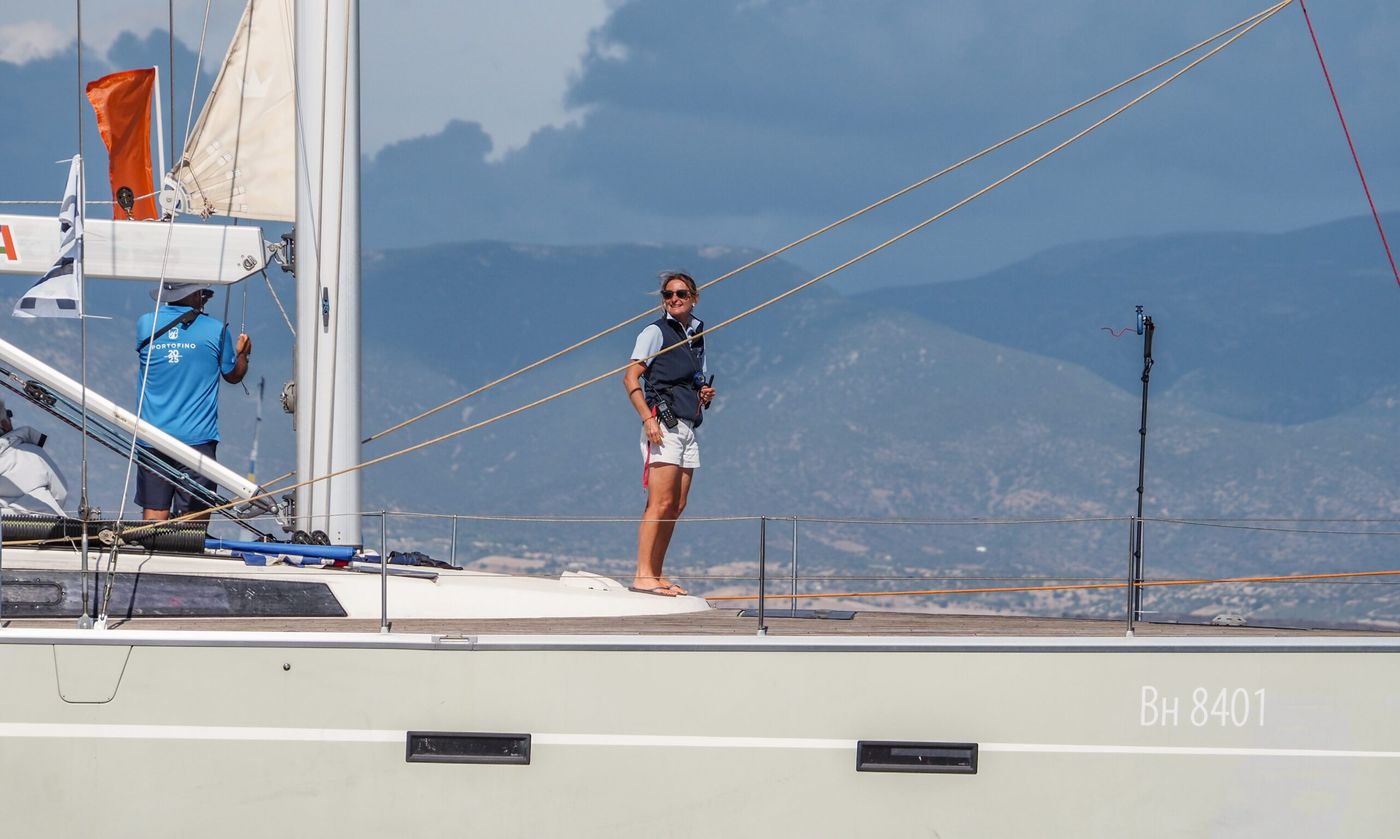
Corinne Aubert's route into international race officiating did not start on the water. It started on a gymnastics mat.
The Frenchwoman was once a member of the French national gymnastics team, and later built a professional career as a scientist and researcher. That combination of discipline and analytical thinking has turned out to be exactly what race management needed.
She is now preparing for one of the biggest assignments of her career: Course Representative at the Youth Olympic Games in Dakar 2026, Senegal.
Her inspiration comes from an unlikely source for a sailing official: Marie Curie.
"Her story reminds me that determination can overcome any obstacle, a lesson that applies just as much to sailing as it does to Science," Corinne says.
Curie was the first woman to win a Nobel Prize in both Physics and Chemistry. Corinne draws on that same idea of perseverance daily, whether she is on a start boat or working through a technical problem in her science career.
Sailing found her after gymnastics ended. She was drawn straight to officiating, encouraged by mentors including her husband, an experienced Race Officer himself.
"My passion for sailing came after a career in gymnastics. I discovered the joy of being on the water and met key people, including my husband, who is a Race Officer, who inspired me to get involved in race officiating."
From there the path was fairly conventional on paper: regional events, then national appointments, then International Race Officer status. Regattas like La Semaine Olympique in Hyères were crucial staging posts, giving her exposure to the wider World Sailing community.
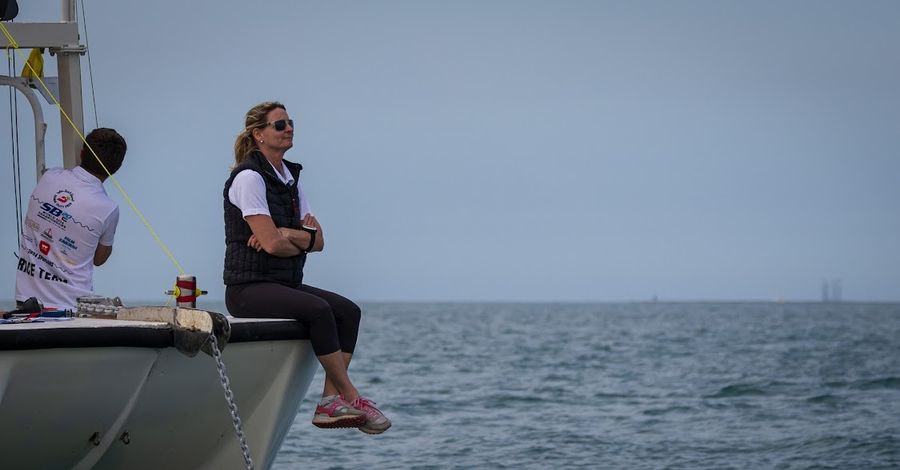
"I followed a classical path: starting as a regional official then moving to the national level and eventually becoming an IRO. Along the way, I faced a few obstacles, but I was mostly supported by kind people who trusted me and gave me incredible opportunities."
She has since worked as a Race Management International Technical Officer at Tokyo 2020, and as Course Race Officer in a national role at Paris 2024.
Dakar 2026 is different again. New continent, unfamiliar conditions, and a bigger stage still.
"Going to Dakar 2026 brings great joy and the opportunity to do my best to deliver fair, exciting races for the sailors," she says.
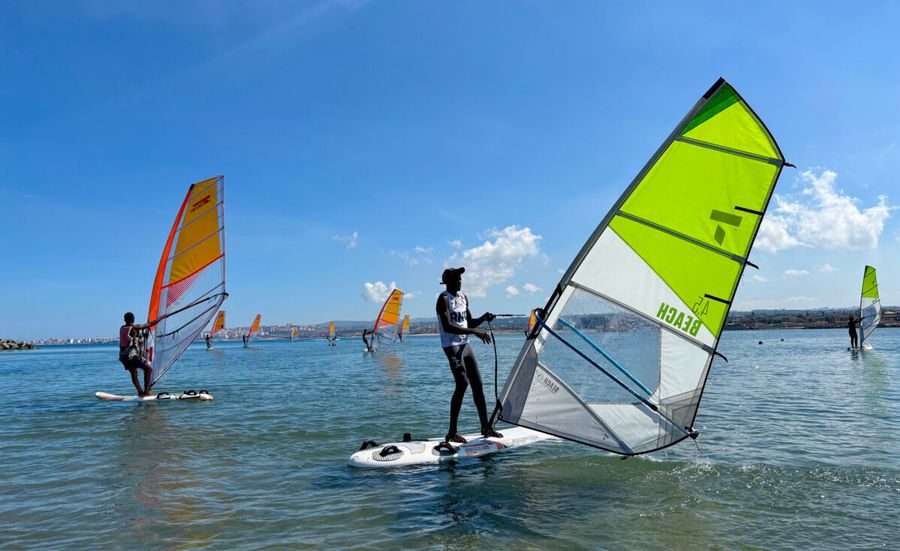
The venue, Saly, is known for light and fickle winds, conditions that test even experienced race committees who depend on steady breeze to run fair racing.
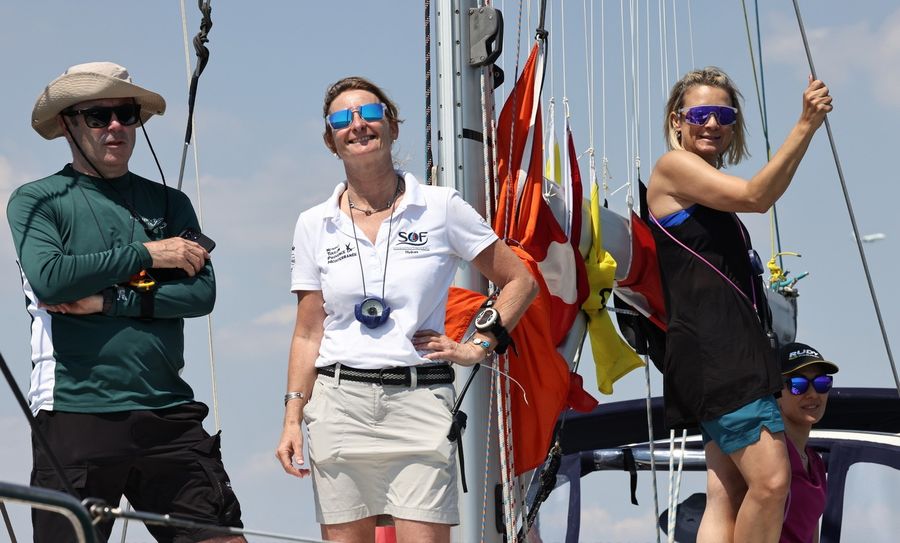
"I am a bit nervous about the wind conditions, but I can't wait to share the moment with the entire official team, which includes officials from across Africa and those appointed by World Sailing. We will work together to ensure great races."
Her advice to young officials centres on teamwork and humility, and never losing sight of the sailors themselves.
"If officiating is your dream, pursue it with passion. Ask yourself: what do sailors need to have fair races? Remember you're never alone: teamwork is crucial. Let your passion drive you to give your best on the water. And always listen to feedback from sailors and coaches to keep improving. The journey is as rewarding as the destination!"
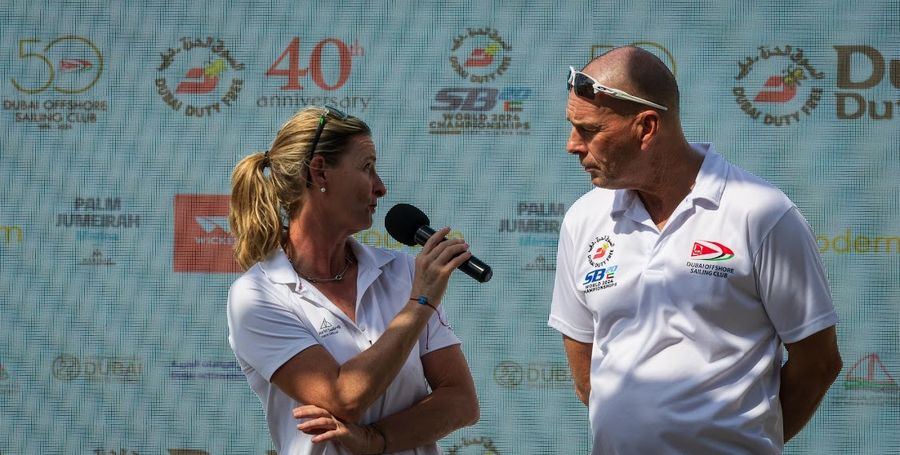
Corinne was recently confirmed as Principal Race Officer for the LA28 Olympic Sailing Competition, where she will lead a team of Course Representatives organising racing across every Olympic event, backed by a supporting team of International Race Officers.