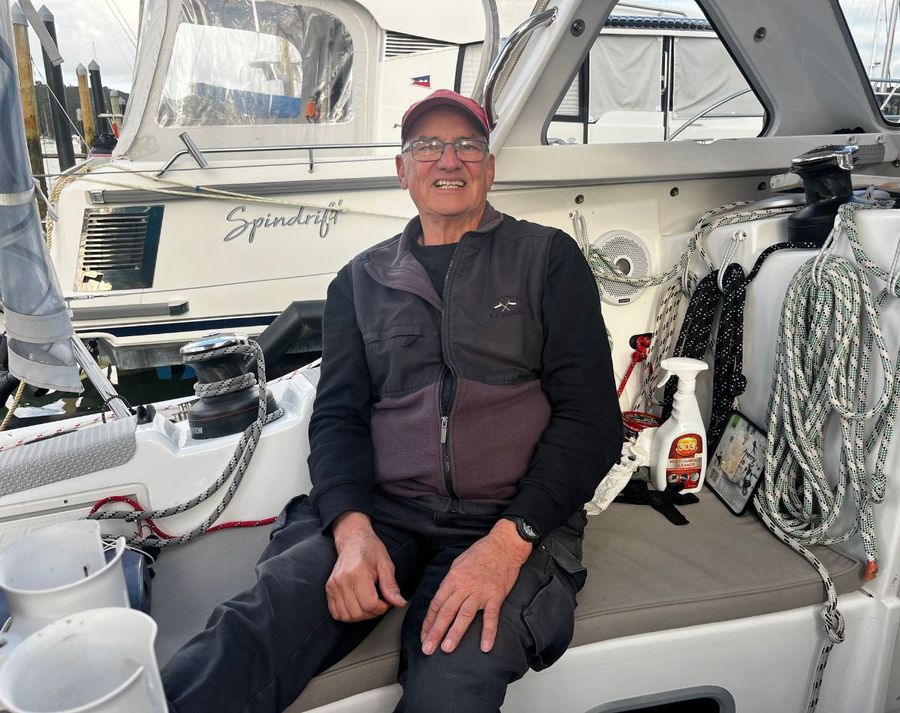
Peter Nobbs was fifty miles outside New Zealand's Exclusive Economic Zone when customs officers intercepted him. He had sailed north alone, turned around, and headed straight back. The entire exercise was a qualifying passage, completed purely to satisfy Cat 1 certification requirements ahead of the 2026 Solo Trans-Tasman. The officials who stopped him evidently found this a difficult explanation to swallow, and were still pressing him on the matter during the Weather and Safety briefing held just days before the start. When they asked what he had been doing so far offshore, Nobbs offered the only answer that occurred to him.
"I just went for a sail."
That single line tells you most of what you need to know about the man.
He has spent much of his adult life quietly pointing himself toward horizons that others only imagine. In the early 1990s he completed a solo non-stop circumnavigation, passing south of the great capes and returning to New Zealand six months after he had left. There were no trackers, no satellite phones, no Starlink, nothing to give those at home any reliable sense of where he was. His parents gathered what scraps of information they could from weather stations and passing ships, and waited. He came back.
On 10 June 2026, he came back again, though across a rather more modest stretch of water.
At 15:18 NZST, Nobbs brought Smoko across the finish line of the 2026 Solo Trans-Tasman Yacht Challenge, completing the 1,256-nautical-mile crossing in 11 days 3 hours 12 minutes and 8 seconds. He placed tenth on line honours and sixth on corrected time among the monohulls. Those are the numbers, and they are also largely beside the point.
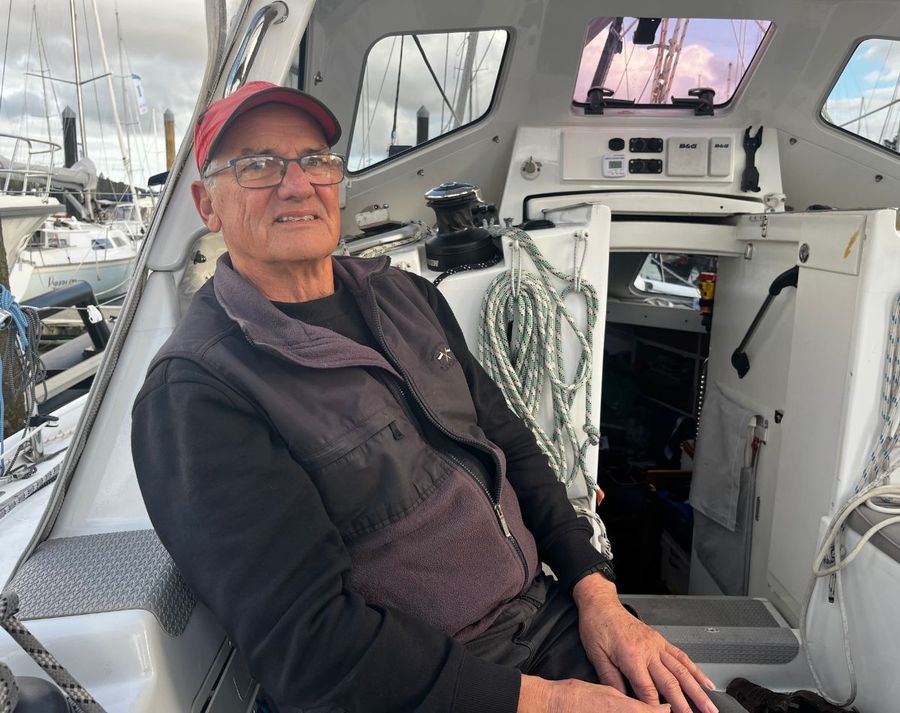
Nobbs had not made the journey to Southport in search of a result. When Boating New Zealand spoke with him before the start in Opua, he gave every impression of someone who found the competitive framing of the event mildly amusing rather than genuinely motivating. He is drawn to challenges and to journeys. The race was simply the structure that made the journey possible.
At that stage he was still working through Cat 1 requirements, sea survival courses and medical training, with preparation time constantly being eaten up by the organisational demands of the Challenge itself. Asked when he expected it all to fall into place, he reckoned everything would come together somewhere around ten minutes before the start gun. He said it without a trace of anxiety, and no one who spoke with him came away expecting a last-minute crisis.
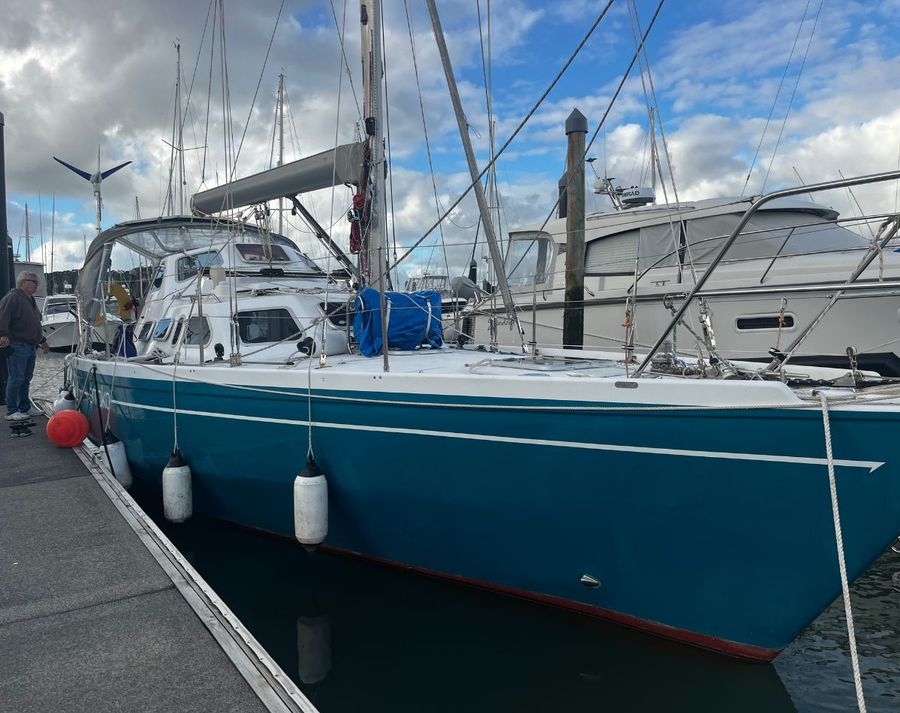
Smoko had not been prepared as a stripped-down racing machine. There had been no weight-reduction campaign, no systematic optimisation. She is a B&G 36, a multichine cruising design originally conceived by Roberto Barros Yacht Design, built over eight years by her first owner and sailed for several seasons before arriving in Nobbs' hands. While some competitors had been pulling serious weight from their boats, with Malcolm Dickson reportedly removing several tonnes of equipment from his 55-foot Sarau, Nobbs was content to leave Smoko largely as she was.
He arrived at the start line with a cruising chute, a Cat 1 certificate and a boat he trusted.
Smoko's departure was unhurried. Being first across the start line was nowhere near the top of his priorities. Everything about the way he spoke in Opua pointed to someone who had come for the experience rather than to wring every last second from the racecourse. He was clear on this point: it was a Challenge, not a race.
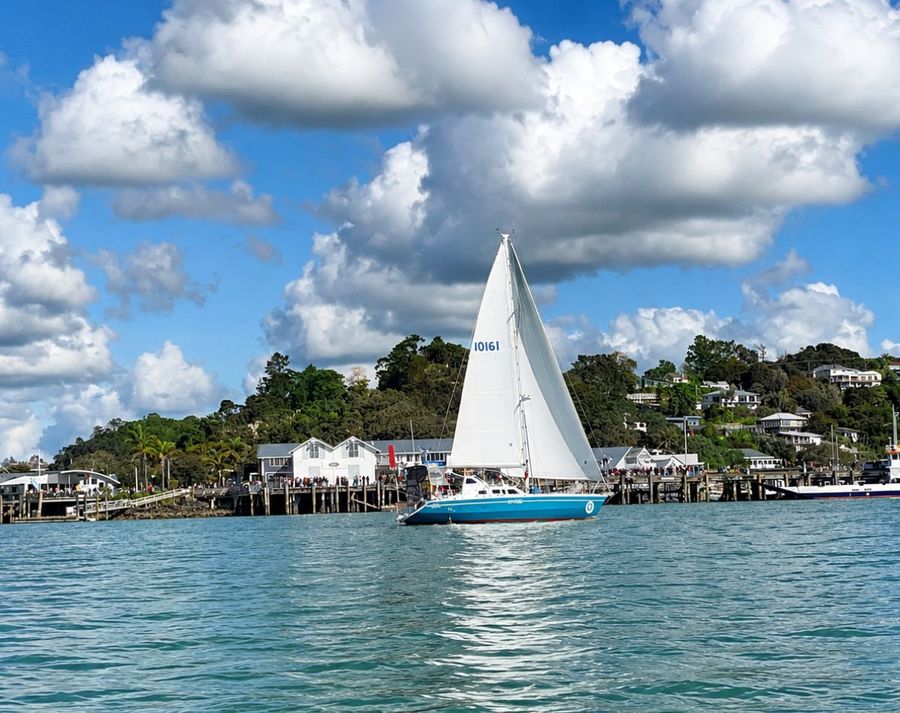
The Tasman was not in a welcoming mood during those early days. The fleet encountered raging squalls, strong winds, stronger gusts and conditions that left boats with nowhere useful to go. Just as things appeared to ease, the weather reset and came at the fleet all over again. Through all of it, Smoko sat toward the back of the fleet, sailing with purpose if not urgency, doing what she does best.
Position reports from 5 and 6 June told the story of a boat caught inside one of those frustrating patches of ocean that seem designed purely to erode a sailor's patience. At 1800 on the 5th, Smoko had 576 miles remaining. Fourteen hours later the figure stood at 571. A full night had passed and the finish line was effectively five miles closer.
One of the stranger aspects of following an ocean race from shore is how thoroughly the experience resists translation. A position report can tell you where a boat is. It cannot tell you whether the skipper has just watched a sunrise, solved a problem, managed a decent meal or finally found some breeze after days of frustration.
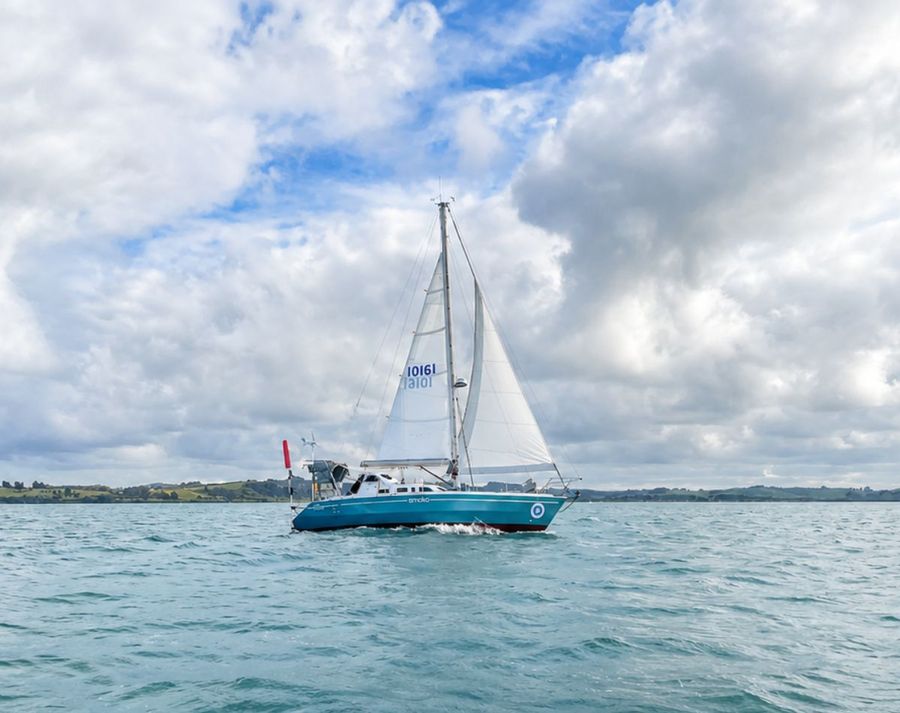
Whatever had been holding Smoko in place eventually released its grip. By 9 June the numbers had shifted considerably. She was down to 180 miles remaining and chewing through the distance at a pace that would have seemed wildly optimistic during those long, slow hours of 6 June.
The picture on 10 June bore little resemblance to what it had looked like four days earlier. The 0730 position report showed Smoko with just 32 miles to run. Nobbs had covered 1,223 miles and recorded one of his best twenty-four-hour runs of the entire crossing, 162 miles made good. After nearly a fortnight alone at sea, he was moving faster than at any previous point in the race.
What he made of all that is another matter entirely. The plan is to catch up with him once he has had a chance to rest, and the feeling is that he would welcome that conversation. Where other skippers spoke readily about performance, sail choices and where they hoped to finish, Nobbs seemed far more interested in telling stories.
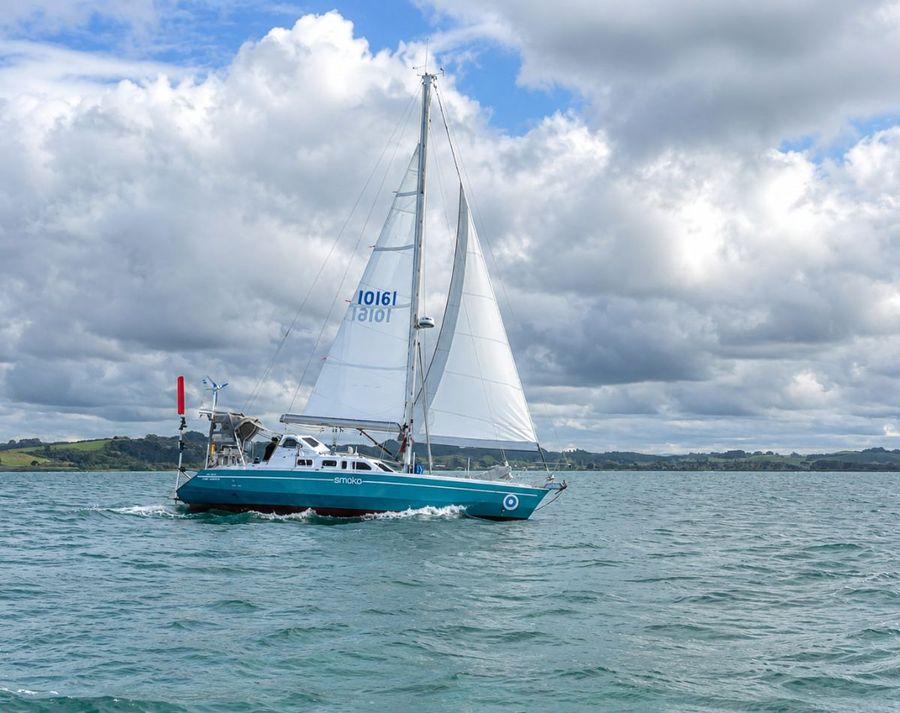
Given everything he had said before the start, it is difficult to picture him sitting out in the middle of the Tasman worrying too much about where he sat on a leaderboard.
The position reports kept arriving.
263 miles to go.
180 miles.
Then 32.
Then finished. He almost certainly crossed that line with a broad smile on his face.