Tracy Schmitt arrived at the 14th Annual KMAC Regatta and Hansa Championship of the Americas in Coronado knowing she would likely be lying sideways in a cockpit, managing lines without the adaptations she uses at home, and sailing a class she rarely trains in. She raced anyway.
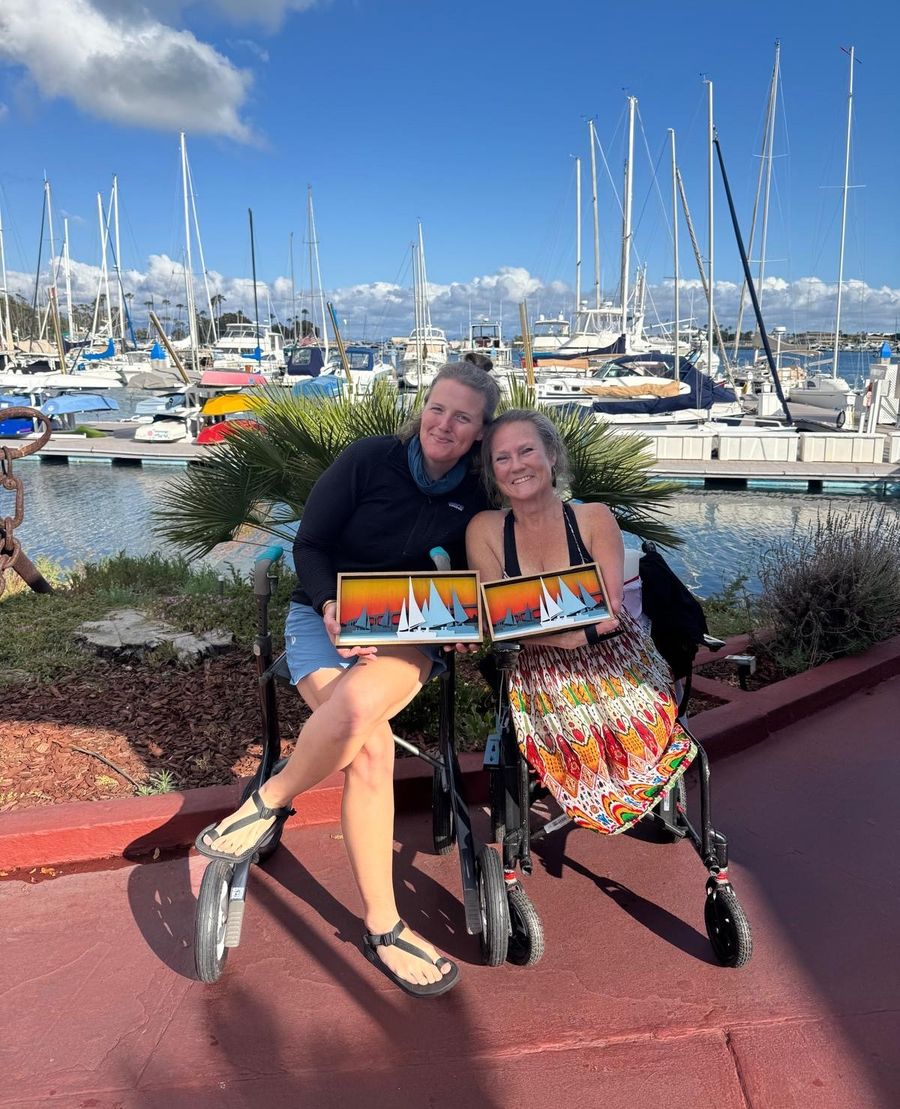
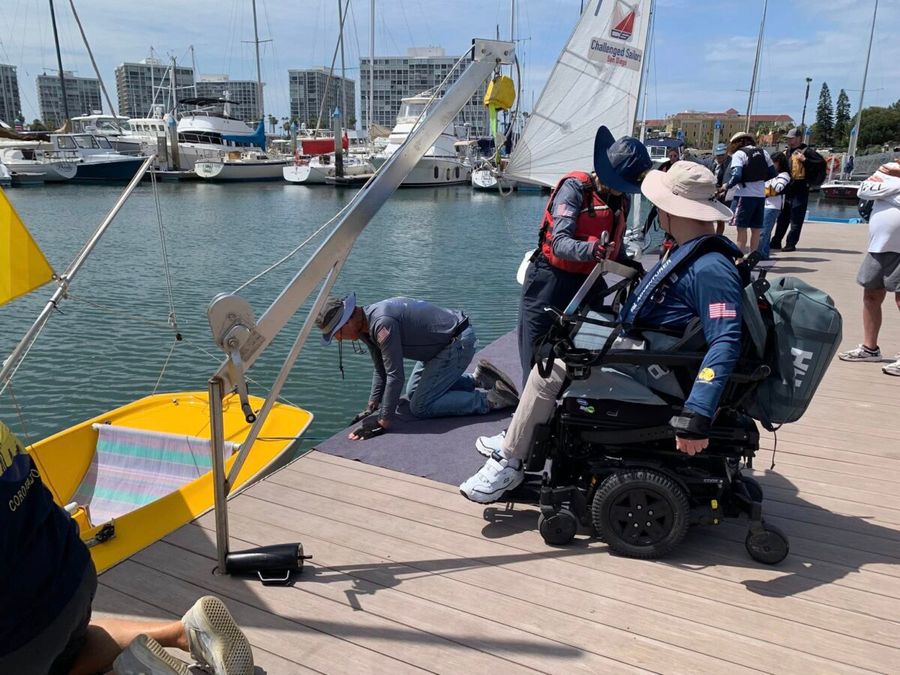
That spirit captures what Schmitt, a Canadian four-way amputee classified at the highest disability level, describes as the defining quality of Para inclusive sailing. In most high-performance sailing environments, competitors guard information. Here, sailors help each other rig boats, transfer into seats, adjust sail trim, and sometimes physically lift one another into competition before the start horn sounds and everyone tries to beat each other.
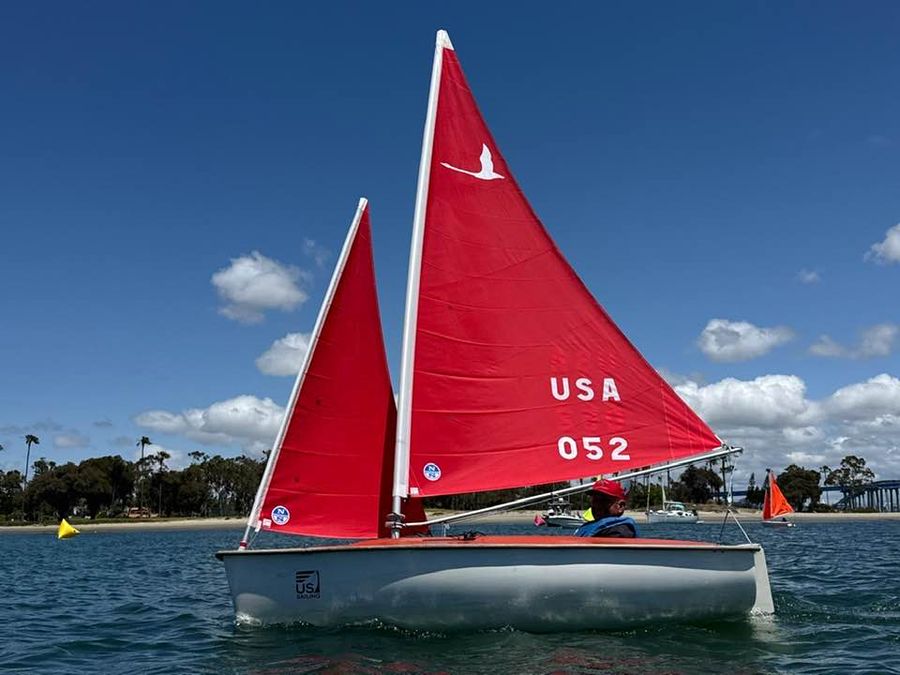
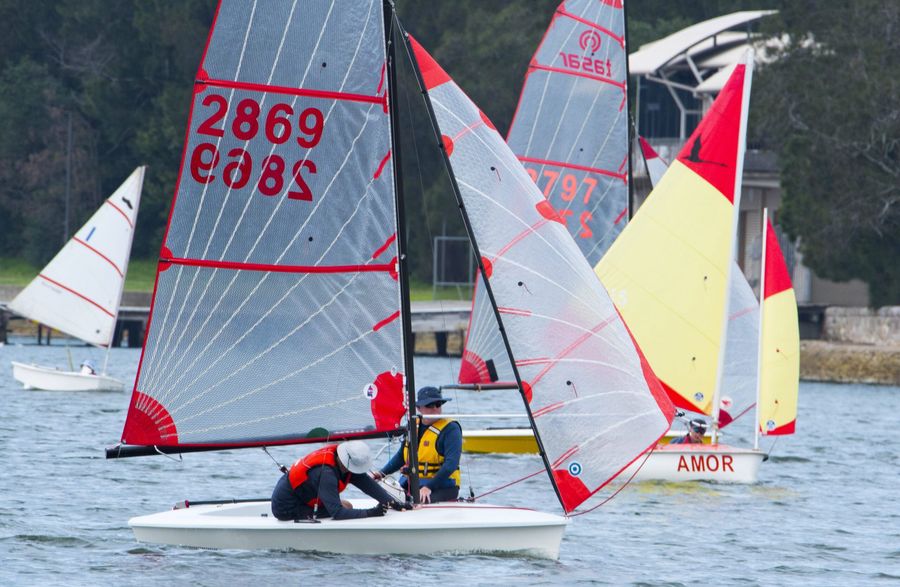
Schmitt trains primarily in a Martin 16 in Canada, a boat she acknowledges is sometimes viewed as less high-performance than the internationally used Hansa 303 or RS Venture Connect fleets. It is what she has access to, and she sails it hard. The approach is working. Between 2025 and 2026 she moved from 23rd in the world rankings to 3rd ranked classified female Para sailor internationally. "That result matters to me not because it proves perfection, but because it proves possibility," she writes.
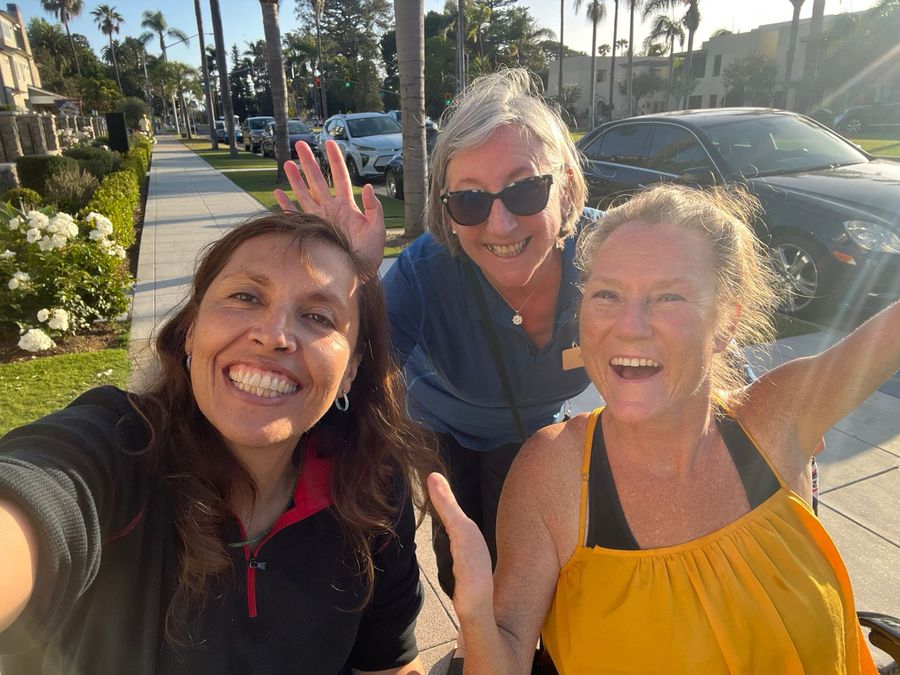
At KMAC she finished second in the Martin 16 fleet overall, though she places that result in context. In San Diego, companions are required aboard Martin 16s, a rule that shifts the competition dynamics considerably. Some sailors race with highly experienced able-bodied companions coaching tactics in real time, while weight differences between one and two-person crews affect boat speed directly. Her second place was behind a highly experienced able-bodied companion, a distinction that matters when world ranking points are involved.
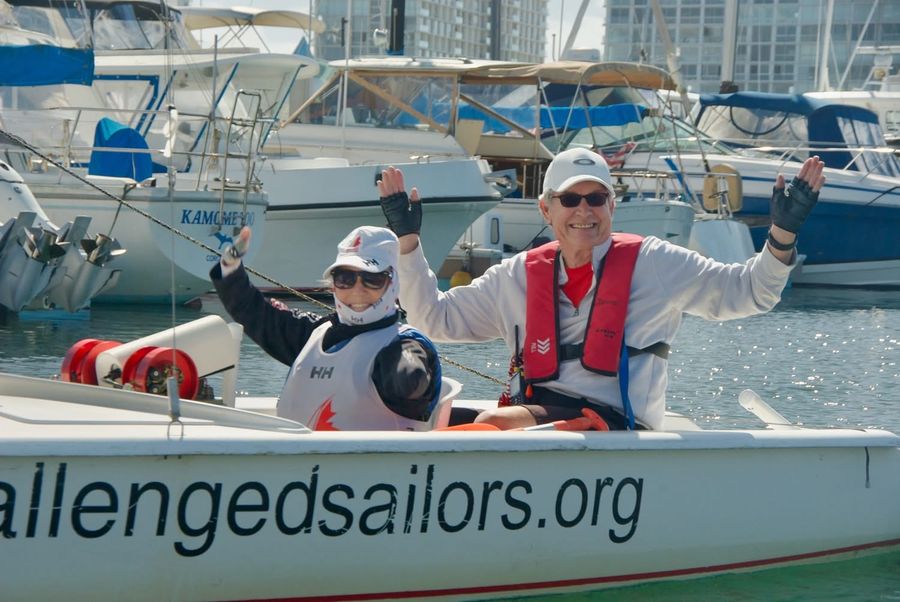
The regatta drew competitors from Canada, the United States, Chile, and New Zealand, alongside sailors connected to Mexico, Puerto Rico, and the U.S. Virgin Islands. Veterans sailed Capri 22s alongside experienced mentors. First-time participants shared start lines with internationally ranked athletes.
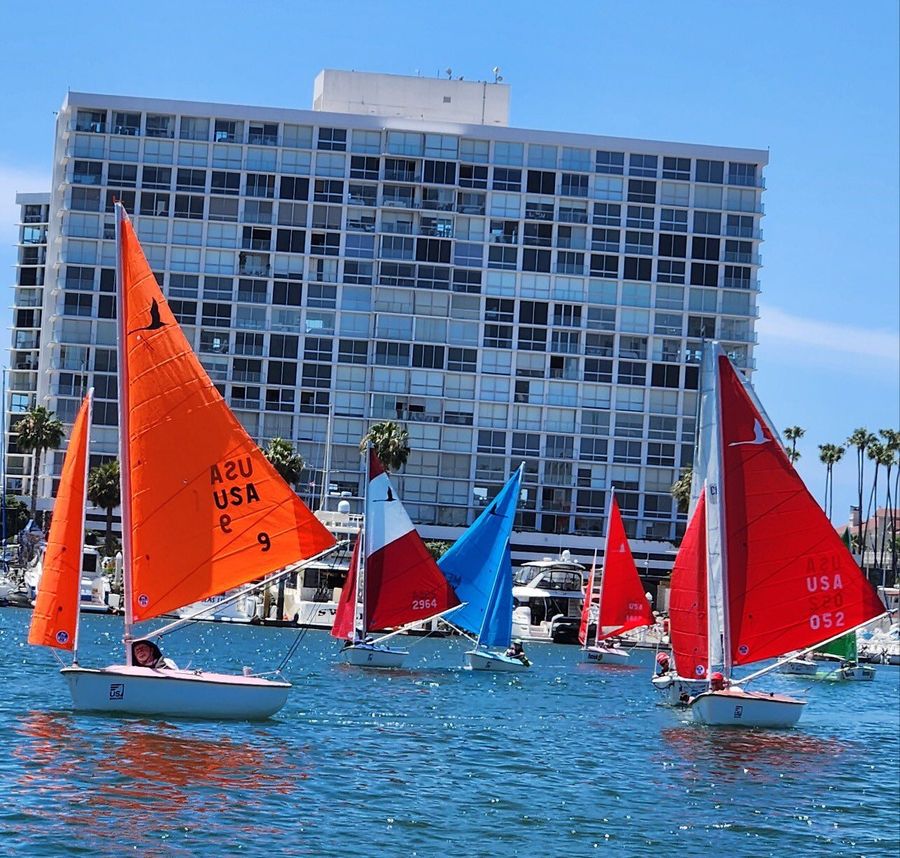
Among the standout performers was Jane Pimentel, who won the Hansa 303 class outright. Pimentel has an invisible disability, something Schmitt says only became apparent at the end of the day in a dark car park when her walker was visible. Conditions such as Parkinson's disease, multiple sclerosis, PTSD, or chronic illness can profoundly affect a sailor's strength, coordination, or endurance without anything being obvious to anyone watching from the dock.
Sailing beside athletes like Pimentel is, Schmitt says, an education in itself. Many sailors who acquire disabilities later in life bring decades of racing knowledge and technical understanding with them. For athletes born with disabilities, that development pathway through elite junior sailing systems was often never available.
Chile's Zaida Perez-Bugueño finished fourth overall in the Hansa 303 fleet but was the highest-ranked classified female sailor in her division. Schmitt loaned her a Canada Hansa sail, shared coaching debriefs, and traded tactical observations across the week. "Female sailors supporting female sailors is one of the most powerful growth opportunities in Para sport today," she writes.
The event is run in memory of Lt. JG Kyle McArthur by the KMAC Foundation, with Jamie McArthur and the organising team central to its culture. Partnerships with Challenged Sailors San Diego and the Bay Area Association of Disabled Sailors provided the volunteer workforce that transported boats and helped sailors onto the water. Coach Jon Rogers worked across multiple fleets, and race management under Mike Gaylord balanced accessibility, safety, and competitive integrity throughout.
Schmitt is clear-eyed about the broader realities. Limited funding, minimal sponsorship, and significant travel costs mean most Para sailors are sharing accommodation, splitting rental cars, and borrowing equipment while simultaneously trying to build the movement they compete within. "The path upward in Para sailing is rarely straightforward," she writes. What keeps people coming back is something harder to quantify than a results sheet.