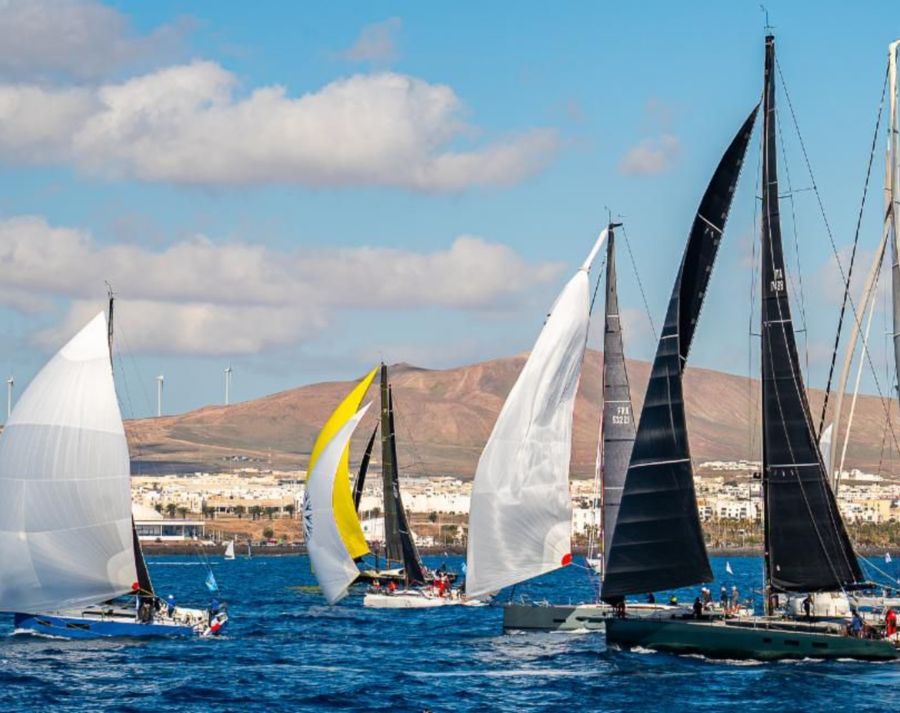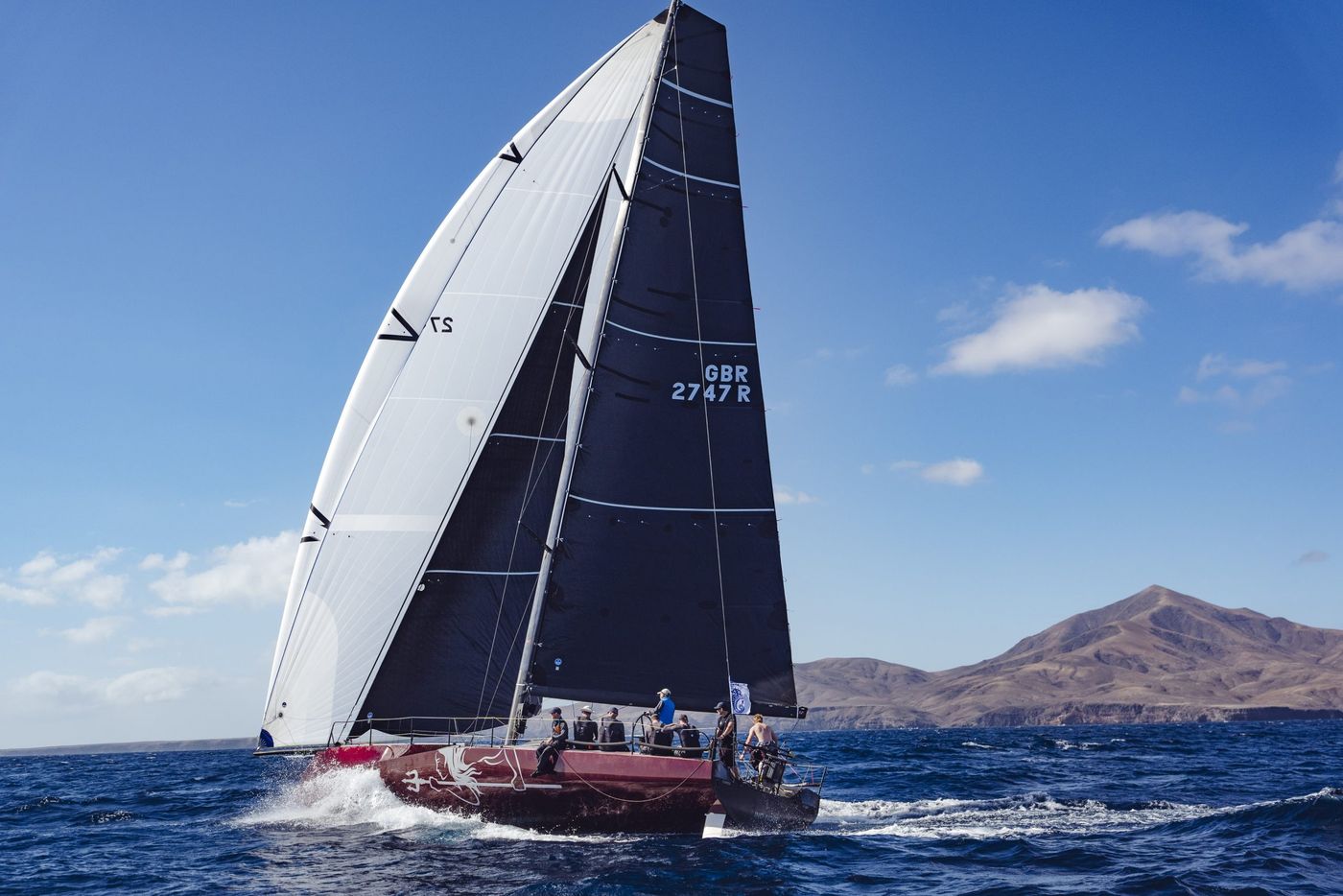
With fewer than 50 days to go before the 2026 RORC Transatlantic Race gets under way, the conversation among offshore racing followers has turned to a quartet of yachts that each carry a credible case for IRC honours. Nineteen entries are already confirmed for the 3,000-mile passage linking Marina Lanzarote to Antigua, and the entry list may yet grow. Even so, this group of four stands out for its depth of preparation and the variety of approaches it represents.
The differences between them are real. Displacement, hull form, crew philosophy, and race strategy vary from boat to boat. What connects them is a shared understanding that a 3,000-mile ocean race is not decided on the fast days. It is decided on the awkward ones, when the breeze softens, the sea state turns lumpy, and keeping the boat moving demands constant attention.
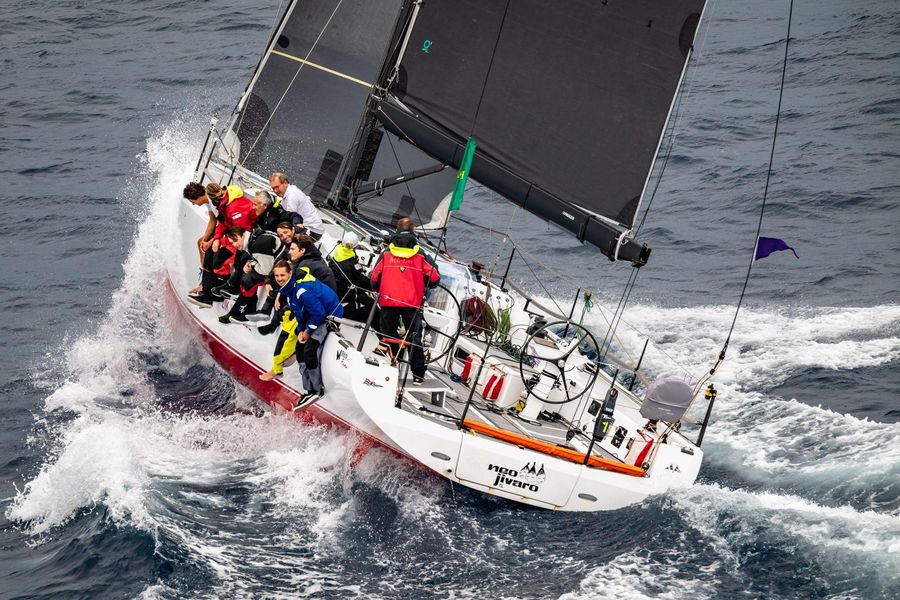
French skipper Yves Grosjean comes to this race with unfinished business. An injury ruled him out of the 2025 edition, so the 2026 campaign represents his first real crack at the Transatlantic. He brings the NeoJivaro, a Neo 430 designed by Giovanni Ceccarelli that tips the scales at just six tonnes. The boat's reputation is built on quick acceleration and the ability to sustain good pace even when the breeze falls away. Grosjean's preparation has been shaped around getting his crew ready to perform not just on day one but across the full crossing. Sleep management, rotation schedules, and recovery time have all received serious attention. The thinking is straightforward: a well-rested crew makes better decisions in the middle hours of the night, and better decisions accumulate into faster passages.
James Neville returns to defend the standing of his Carkeek 45 Ino Noir, which claimed third overall in the previous race. A frustrating 2025 season, marked by reliability problems, prompted a thorough review of the boat's systems. The past year has been spent hunting down vulnerabilities and eliminating them. Neville is not a skipper who talks in superlatives about top-end speed. His focus falls on the stretches where performance drains quietly away through chafe, mechanical wear, or a crew running low on sleep. "This race rewards consistency," he says. "It's about staying ahead of wear, chafe, and tired minds." Navigator Juan Vila joins a crew that is largely unchanged from the previous campaign, bringing continuity alongside the improvements the team has worked hard to embed.
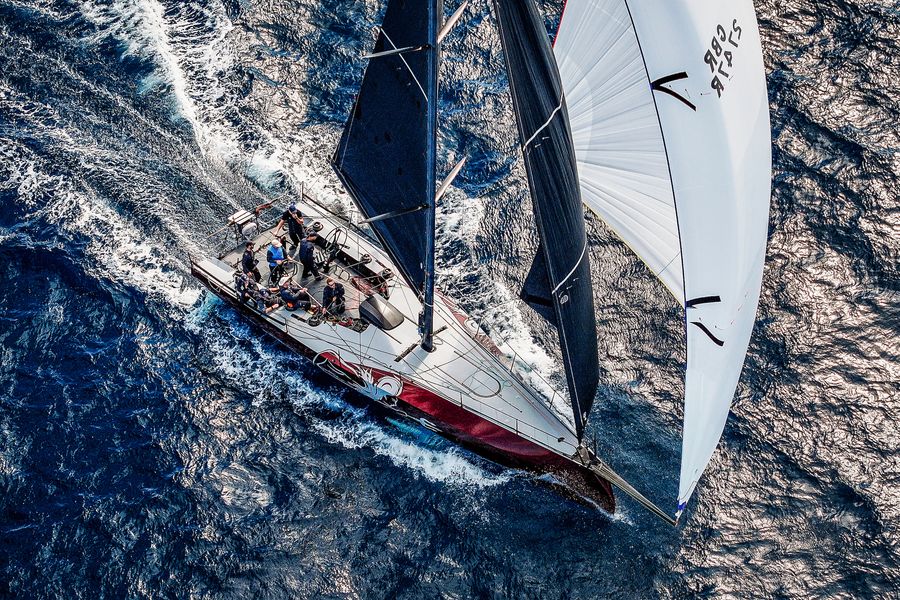
Father and son Xavier and Alexandre Bellouard have entered the fleet with one of its more striking designs. The Maxitude is a Lift 45 drawn by Marc Lombard, featuring a scow bow and wide forward sections that attracted considerable attention during the Rolex Fastnet Race. Its deck plan is kept deliberately simple, which suits offshore miles as much as inshore racing. The Bellouards are keen to show that a hull form of this type belongs on the open ocean, not just in Class40 competition. The broad bow generates power efficiently and sustains it over long periods. The boat is also, by the standards of performance offshore yachts, genuinely comfortable. "It's a boat we can push, but still enjoy," Xavier says. His wife plans to join the crew for the arrival in Antigua, making use of a generous forward cabin that sets Maxitude apart from more stripped-back offshore machines.
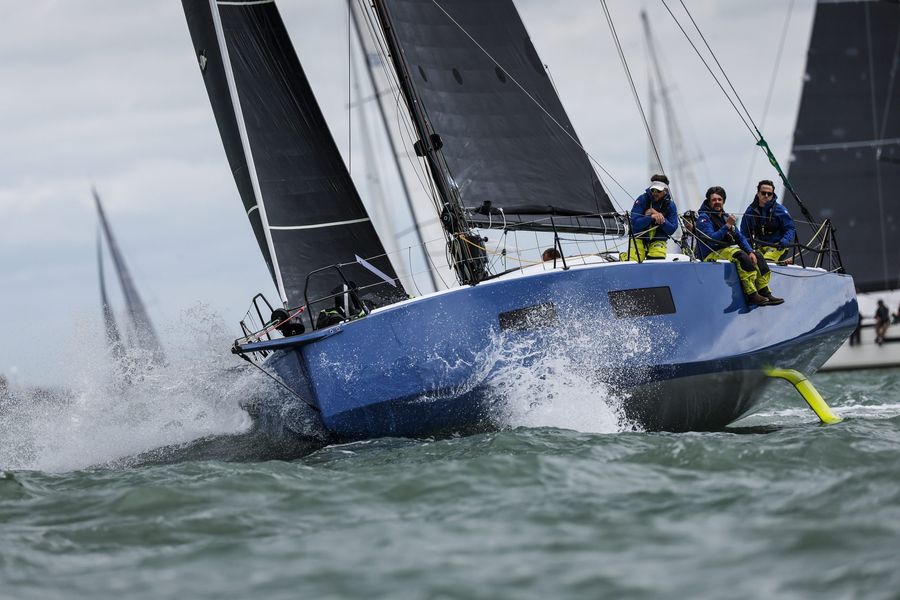
The fourth boat in this group is the one with the most direct lineage to previous Transatlantic success. The Palanad 4, a Manuard design measuring 50 feet, has been built to carry forward what Palanad 3 achieved. That earlier boat won the race outright in 2021 and still holds the IRC course record. Skipper Antoine Magre heads a crew with strong offshore credentials, including Swiss sailor Simon Koster and Pablo Santurde from Spain. The preparation phase through the northern autumn has been methodical. The team has worked through the boat's sailing modes, checked trim data in different conditions, and focused on getting Palanad 4 performing at its best from the very first miles after the start gun. Magre's goal is sustained output, not occasional bursts of pace followed by long periods of average sailing.
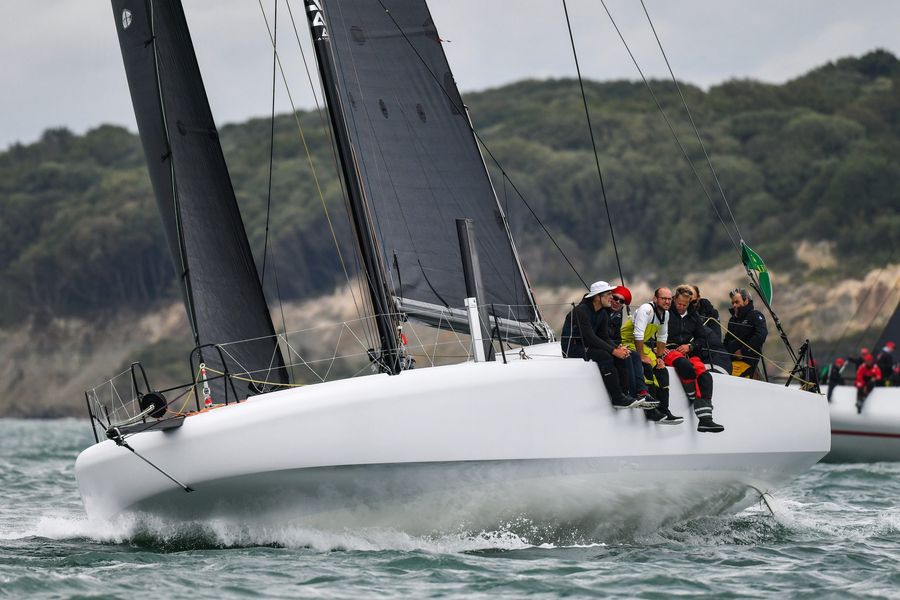
When the four skippers talk about what they expect from the race, they keep arriving at the same theme. It is not the fast surfs that separate the fleet. It is the slow hours, when boatspeed drops to single digits and crews have to work patiently to keep momentum going through an awkward sea. Each team's preparation reflects that reality in its own way. NeoJivaro has prioritised sleep systems and structured rotation. Ino Noir has gone after mechanical resilience, targeting chafe points and equipment weak spots. Maxitude has invested time in understanding how to manage its powerful bow shape across a wider range of conditions and trim settings. Palanad 4 has approached the problem through marginal gains, identifying the small improvements in daily average speed that compound over the course of a long passage.
Beyond the racing itself, each campaign carries its own meaning. Grosjean's effort is connected to Afazik Impulse, a project that supports people living with cognitive challenges. Neville is motivated to convert the hard lessons of last season into a better result this time. The Bellouards see the campaign as a shared father-and-son experience, combining competitive drive with something more personal. Magre wants the performance of Palanad 4 to make a broader point about where modern scow-influenced offshore design can go.
Four boats, four different sets of strengths, and four crews who believe they have the preparation and the boat to win. The 2026 RORC Transatlantic Race, run with support from the International Maxi Association and Yacht Club de France, starts on 11 January 2026 from Marina Lanzarote. The answer to which approach works best will take 3,000 miles to arrive.