Four coaches, four schools, four quite different ideas about what pre-season rowing should actually look like.
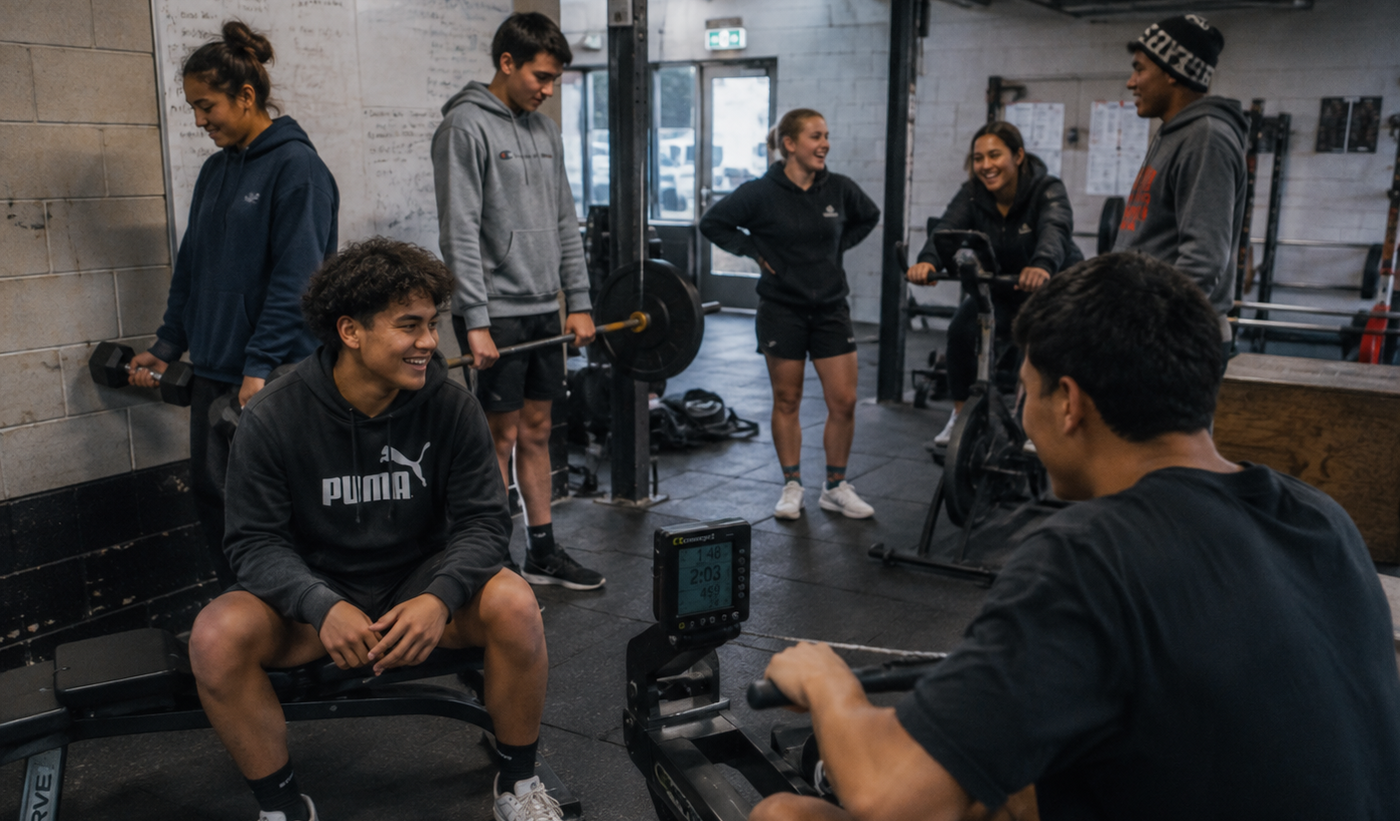
Steve Finlayson, Director of Rowing at Mount Albert Grammar School, leads with health above everything else. "After a long rowing season, some rowers finish with niggles or minor injuries. We see the off season as the time to rest, recover and properly rehabilitate." MAGS rowers are expected to play a winter sport and return with a solid aerobic base built through running, swimming or cycling. The erg stays firmly off limits: "We actively encourage them to stay away from the erg over winter."
Whanganui Collegiate takes a similar line. Master of Rowing Gus Scott says the school runs no formal rowing pre-season at all, with regular training only commencing around the third week of October. Most senior rowers are already committed to rugby, hockey, netball or cross-country at first-team level, and a full-time strength and conditioning coach designs complementary programmes around each individual's sport. "Because of this approach we have very few injuries."
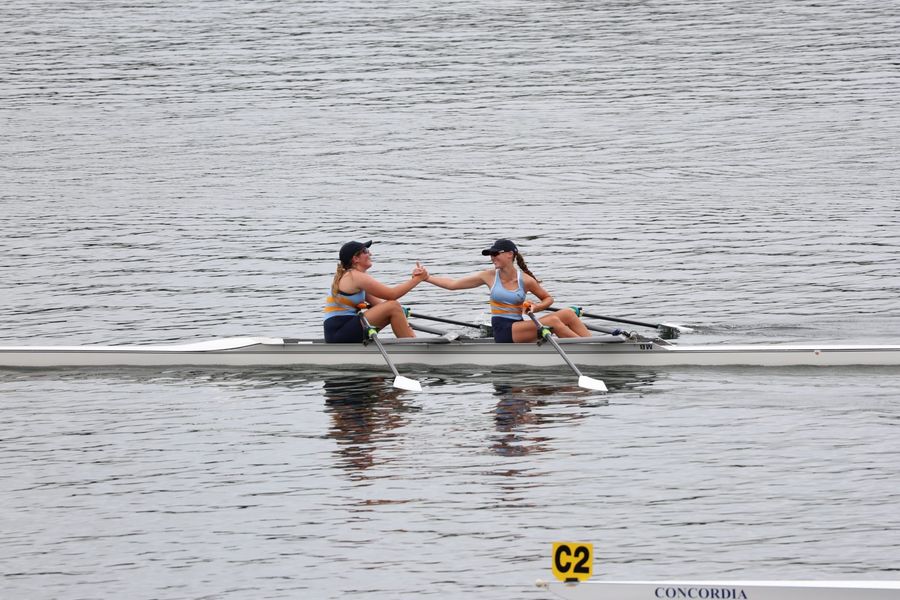
Down in Dunedin, Columba College head coach Beth Anderson focuses on fitness and technical foundations. Returning rowers revisit the goals set in their end-of-season feedback sessions, and the water doesn't always cooperate. "The water can be temperamental, so we need to be flexible, and some workouts may need to be completed on the erg."
At St Peter's College Auckland, Director of Rowing Cam Patten wants three things locked in before the first regatta: a strong aerobic base, sound technical habits, and a team-first mindset. Sessions are built around quality rather than kilometres, combined with two to three strength sessions per week.
Managing load is a recurring theme across all four programmes.
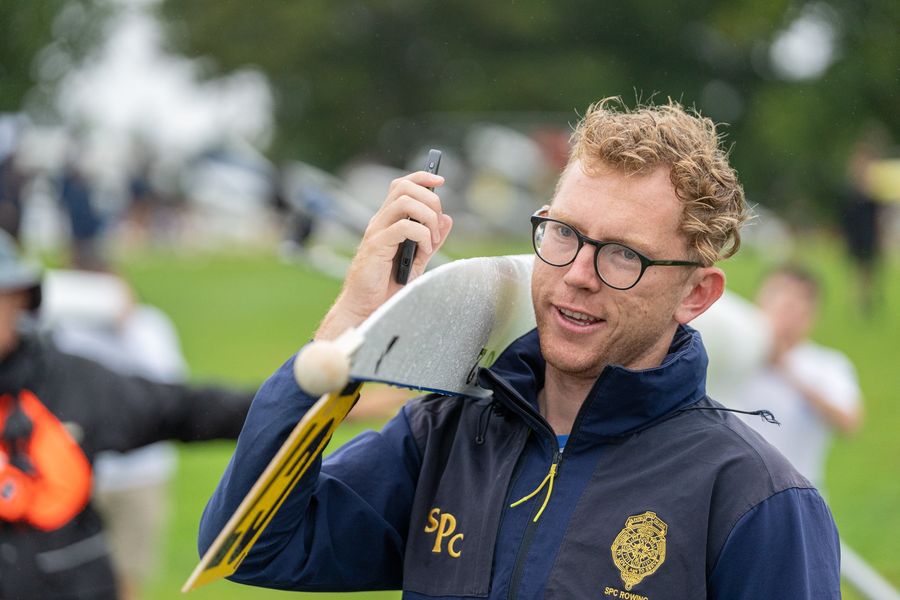
Finlayson is direct about it: "A big part of this is helping our rowers understand that more training is not always better." Patten tackles the same challenge through goal-setting, breaking a longer-term season goal into shorter checkpoints backed by daily behaviours. A clear purpose, he argues, is what keeps athletes going when the hard weeks arrive.
Culture comes up repeatedly. Anderson's advice to fellow coaches is to establish team culture from day one. At Columba that's reinforced through the "Rowing Families" initiative, where each family consists of one athlete from each age group, creating a support network that stays together throughout their rowing journey. Finlayson runs leadership and culture workshops with the MAGS senior squad, centred on their role in setting standards and supporting younger rowers. It's the kind of detail, small in isolation, that tends to show up in how a crew behaves when a race gets difficult.
The shared view is that pre-season is preparation, not performance. As Finlayson puts it, "pre-season is about preparing athletes for the upcoming season, not trying to win the season before it starts."
Rowing NZ's Coaches and Leaders Conference runs in Hamilton on 5–6 September. This year's programme expands beyond its traditional coaching focus to include a dedicated stream for club leaders and committee members.