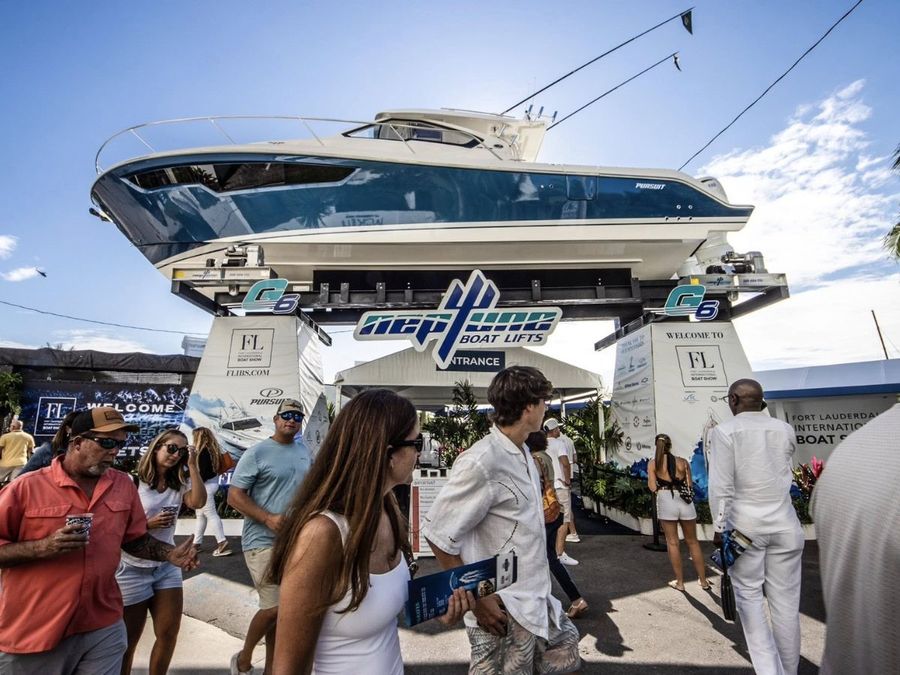
The 66th Fort Lauderdale International Boat Show wrapped up with a noticeably trimmer superyacht fleet and fewer of the towering vessels that have historically defined the event. For a show widely regarded as the world's largest in-water boat show, the contrast with recent years was hard to miss. Superyacht numbers fell from 195 in 2024 to 162 in 2025, with the total combined length of the fleet shrinking by more than 1.4 kilometres. A number of prominent European builders opted out of the Superyacht Village altogether, reshaping the show's overall character.
That reduction in scale did not translate into a reduction in energy. Industry observers described the 2025 edition as the beginning of what they termed "a more deliberate phase", where attention had shifted from raw size to strategic positioning. More than a thousand exhibitors were spread across multiple venues, and the marina network remained lively throughout. This felt less like a show in decline and more like one finding new footing.
Why fewer yachts crossed the Atlantic
The smaller fleet had been anticipated by those close to the industry. Delivery backlogs at European yards meant fewer new builds were ready to make the crossing in time. A number of larger yachts had remained in the Mediterranean following an extended charter season, and several builders had redirected exhibition budgets toward private owner experiences rather than high-profile public displays. Brokerage vessels filled much of the gap, with the average yacht on show sitting just over ten years old.
That drift toward mid-range inventory reflected where genuine buying appetite currently lies. Sales teams reported consistent enquiry in the 25 to 40 metre bracket, with prospective buyers focused on range, deck space, interior flexibility and running costs rather than sheer length. In a measured global market, exhibitors made the practical decision to bring boats that matched actual demand.
A commercial core that held firm
Beneath the adjusted numbers, the show's commercial foundations remained solid. Brokerage value pushed toward US$1.9 billion, and builders across the production cruiser, centre console, sportfisher and 50- to 80-foot segments introduced an impressive range of new models. New Zealand's Valder Yachts, which had a presence at the 2024 show, did not return this year. New Zealand Yachts, however, re-emerged under founder Allen Jones to present the revived wave-piercer catamaran platform. No new hull was displayed in the water, but the leadership team attended to meet clients and suppliers, marking the brand's return to the global superyacht arena and highlighting New Zealand craftsmanship.
Palm Beach unveiled the new Palm Beach 85, Maritimo returned after a lengthy absence with a confident showing, and Riviera presented its largest-ever FLIBS fleet, together reinforcing the growing influence of Australasian builders in the American market. The antipodean brands attracted steady interest and strong coverage, reflecting Australian design and construction's continued rise on the US stage.
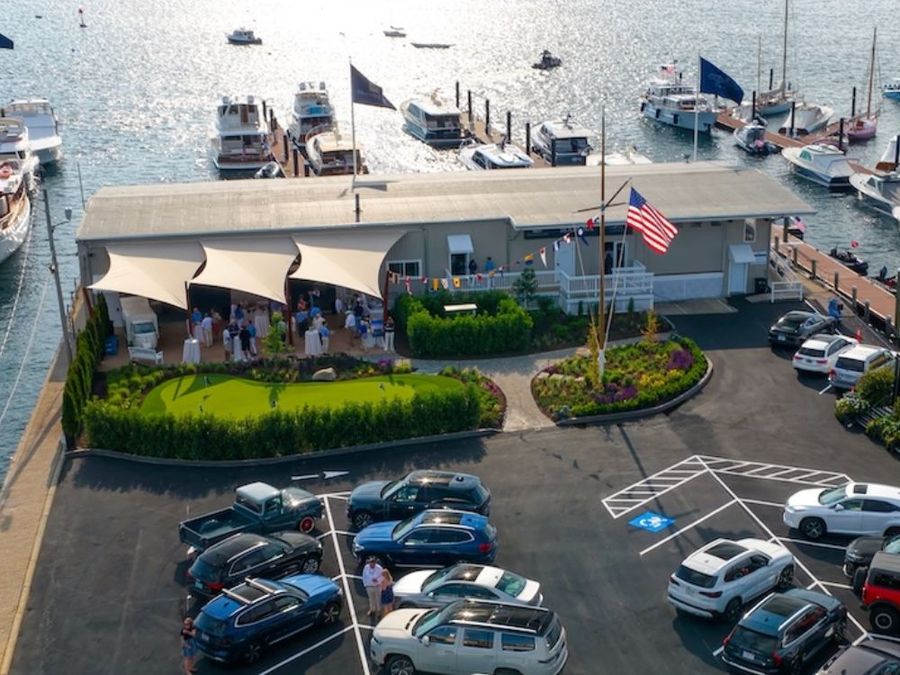
The reimagined Pier Sixty-Six precinct gave the show a further dimension. Upgraded hospitality spaces, lounges and brand activations pushed FLIBS further into luxury-experience territory, and exhibitors noted that the shift helped draw a wider audience of high-net-worth visitors, regardless of whether those visitors were in the market for a hundred-metre vessel.
Responsibility and recognition take centre stage
Beyond the docks, FLIBS reinforced the industry's deepening sense of purpose. The Honours, a collaboration between the Superyacht Life Foundation and Boat International, recognised individuals using yachting as a vehicle for science, conservation and humanitarian causes. Among the standouts was the Sail to Shelter initiative, which repurposes retired sails into durable emergency housing.
Innovation over spectacle
The apparent retreat from length-for-length's-sake did nothing to dampen the pace of innovation. Exhibitors pointed to advances in hybrid propulsion, lightweight construction materials and interior layouts designed around comfort and efficient use of space. Curated selections of notable boats leaned into ingenuity rather than scale. Dayboats, fast commuters, compact expedition vessels and versatile cruising platforms generated as much conversation as anything else on display.
Major boat shows do not depend on towering superyachts to stay relevant. Fresh thinking is what keeps the crowds engaged, and on that front FLIBS 2025 delivered in full.
For New Zealand builders, designers and refit specialists, the signals coming out of Fort Lauderdale are encouraging. Craft, innovation, efficient design and responsible storytelling are the qualities the global market is increasingly seeking out, and they happen to be qualities this region has long been known for. The show may have displayed fewer giants this year, but it shone a useful light on exactly the kind of work New Zealand excels at.