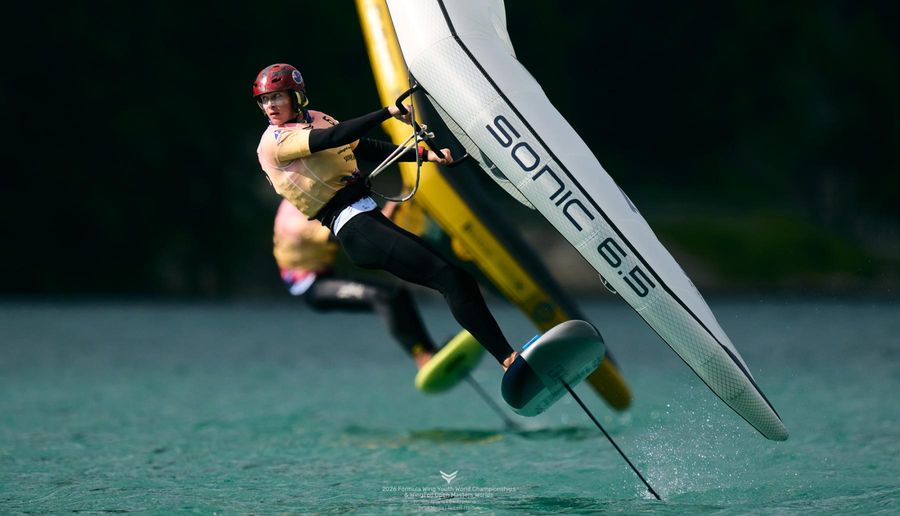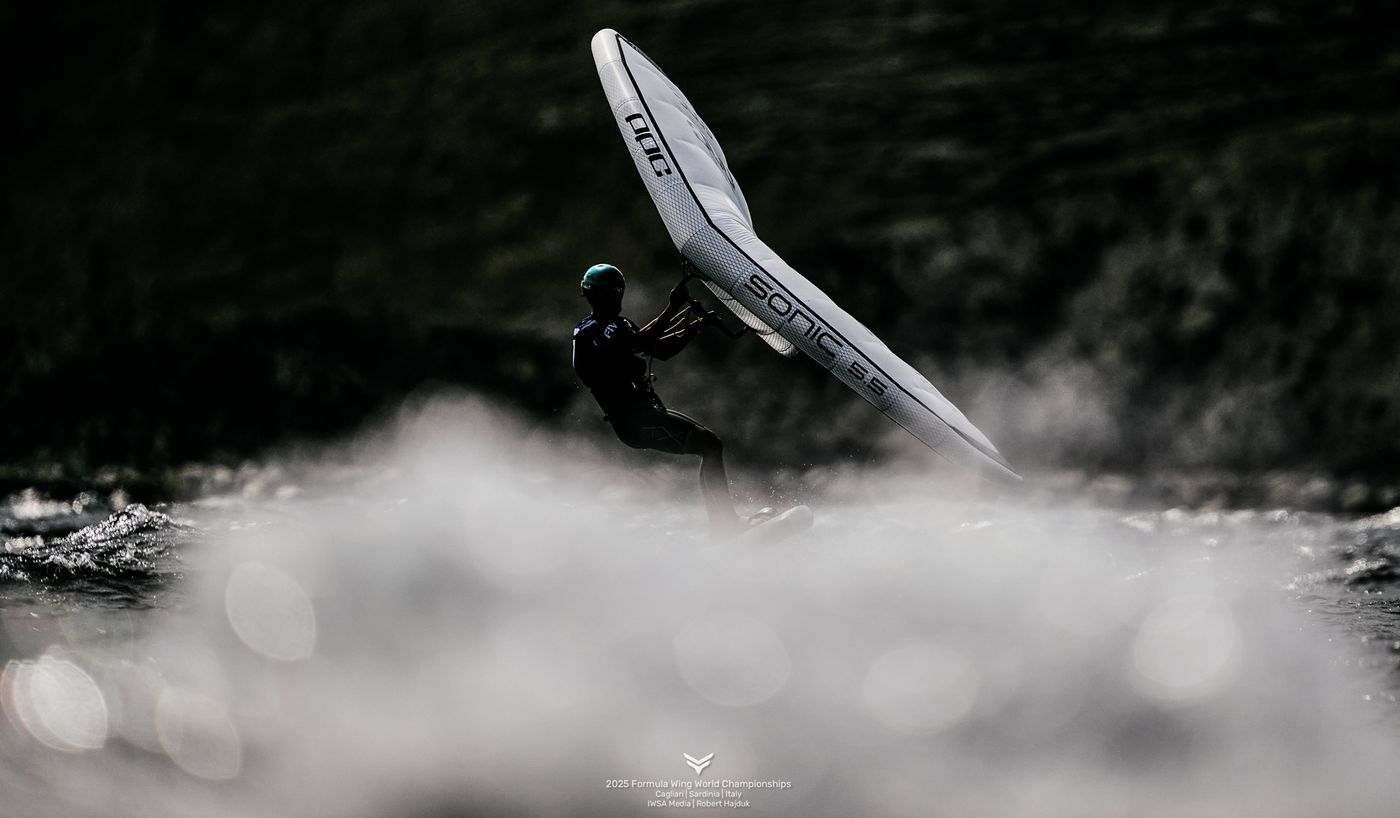
Cagliari handed wingfoil racing its first world champions, and New Zealand came away with a share of the glory. Sean Herbert, from Auckland, claimed bronze in the men's final at the inaugural Formula Wing World Championships in Cagliari, Sardinia, a landmark result for a sport that is building momentum fast. The result was no fluke. Herbert had already earned a World Cup bronze in Switzerland and a commanding US title in San Francisco earlier this year, and his performance across the knock-out rounds in Cagliari showed the same composure that has marked his recent run of form.
Herbert read the light air semi-final well and carried that confidence into the men's final, winning the opening race. A shift in the breeze then changed everything. Italy's Francesco Cappuzzo responded strongly in the next race, which levelled him with France's Mathis Ghio on points before a tiebreaker put the Italian ahead. A deciding race would be needed.
The conditions in Cagliari had been testing all week. A waterspout wiped out practice before competition even began. Day one brought a warm offshore Mistral, and four demanding long-distance heats run from a high-speed rabbit start pushed riders to the limit. Day two switched to five short-course sprints where margins were tight and every layline mattered. Day three changed shape again when a strong southerly drove swell into the bay, turning the race track into a rolling, physically brutal challenge.
The event's equipment rules kept things honest throughout. Each competitor was permitted to register only two wings and two foil sets, and the gaps between wing sizes had real consequences. As the breeze moved around, some riders found themselves either under- or overpowered, and there was no reaching into a trailer for a better option. That constraint put a premium on smart decision-making. Ghio, who made a shaky start to his week, reflected on what it took to turn things around. "It is useless to be fast if you go the wrong way," he said, and he backed those words up by cutting risk and steadily working his way up the standings.
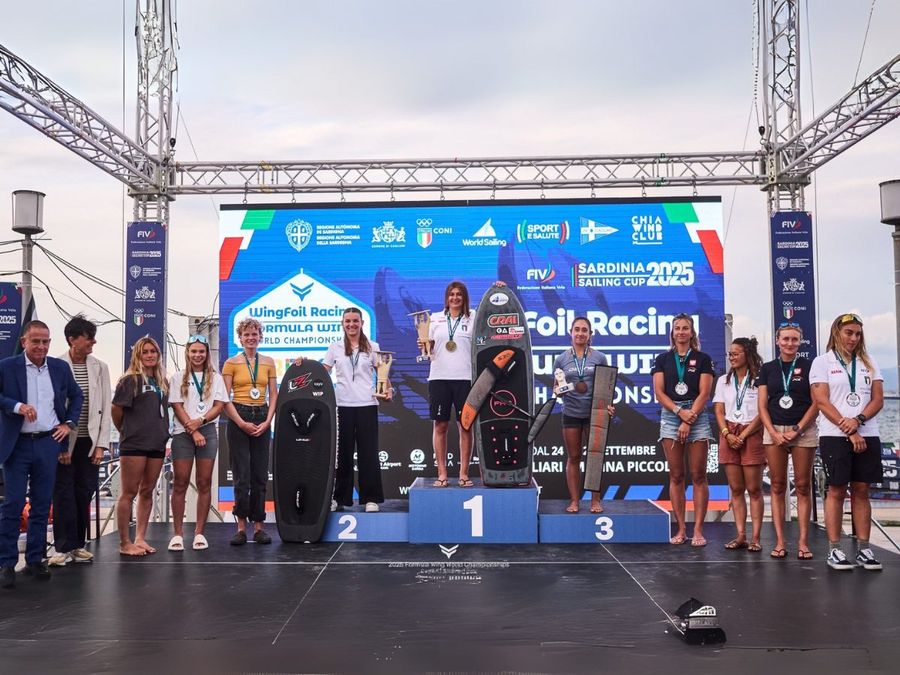
In the women's competition, Italy's Maddalena Spanu set the pace from the opening session, winning three of four heats on day one and holding the overall lead through the difficult swell conditions on day three. Poland's Karolina Kluszczynska, France's Vaïna Picot, and Greece's Aimilia Kosti all pushed hard, and the gap closed, but Spanu kept her focus. "I do my best not to get nervous," she said. In the final she split the course at the right moment, nailed the last top mark, and held her line to the finish for gold. Picot finished in silver and Kosti took bronze.
The men's final almost did not get away at all. The wind faded and time ran short, forcing officials to cancel the planned Golden Ticket long-distance race. The breeze then returned, sweeping off the city in gusty Mistral bursts that lifted both excitement and stakes. All four finalists spent time at the front of the race. Alessandro Tomasi crossed the line first in the deciding race, but a mark touch brought a penalty that removed him from contention. That call gave both the race win and the world title to Ghio. Cappuzzo secured silver, and Herbert held on for bronze, bringing New Zealand its first Formula Wing World Championship medal.
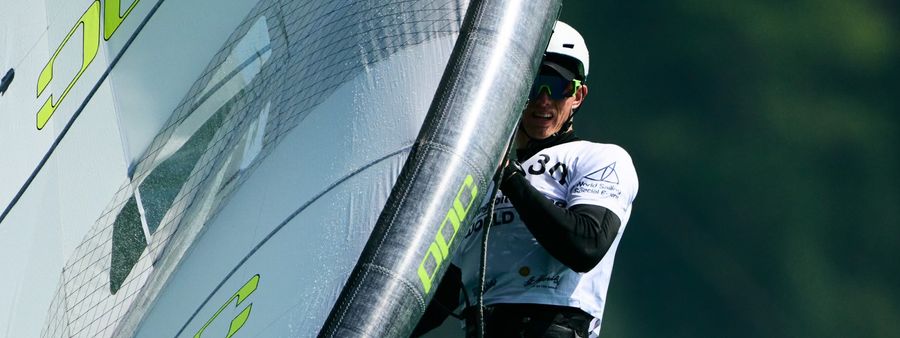
Australia's Olympic iQFOiL silver medallist Grae Morris had his moments, including a heat win on day one, but was unable to match the pace of the leaders when the conditions eased. Poland's Kamil Manowiecki struggled early, then made small adjustments to his trim and came charging back into the fight as the wind filled in. The depth across the whole fleet told its own story. French and Italian squads dominated the top ten, yet the field as a whole felt broader than at any previous wingfoil event.
The format itself deserves credit for producing that depth of contest. Long-distance legs rewarded downwind control and sharp line selection. Short-course sprints exposed any weakness in tacking or layline judgement. The two-wing, two-foil equipment limit stripped away the option of throwing gear at a problem. Fitness was a recurring theme among riders, with several describing red-line heart rates and the importance of managing energy across multiple sessions.
For New Zealand followers, Herbert's trajectory is the story worth watching. A former O'pen Skiff world champion and three-time Starling national titleholder, he brought a sharp racing instinct to foils and has since claimed back-to-back national wing titles at home as well as a place with America One Racing in the United States. Switzerland proved his international credentials were real. Cagliari confirms them on the biggest stage the sport has yet produced.
Women's podium: Maddalena Spanu ITA, Vaïna Picot FRA, Aimilia Kosti GRE.
Men's podium: Mathis Ghio FRA, Francesco Cappuzzo ITA, Sean Herbert NZL.
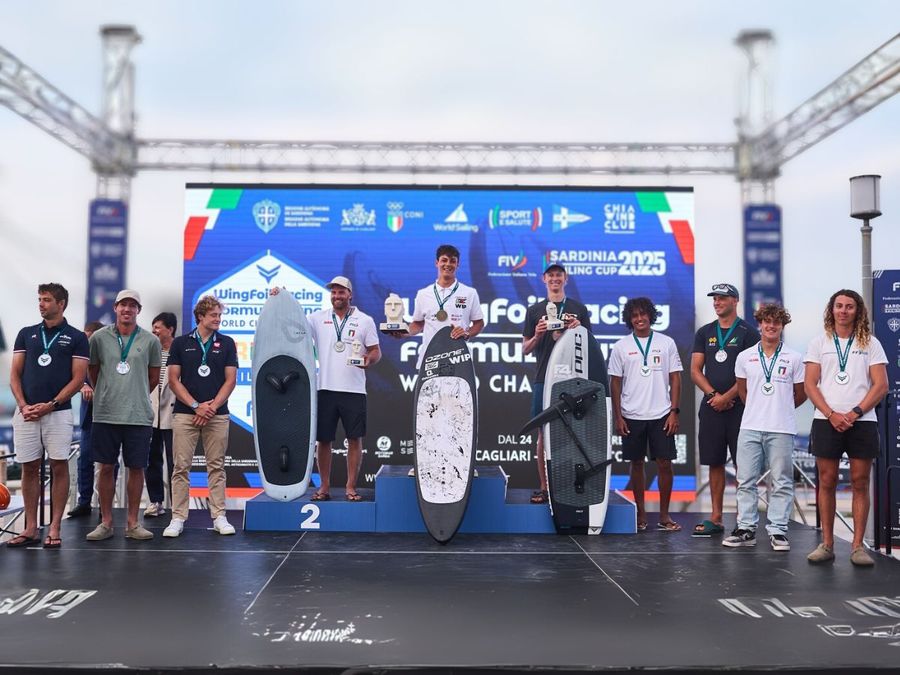
Cagliari will be remembered as the event that put the first names on the Formula Wing trophy. Simple equipment rules, transparent racing, and a Mistral sweeping down a Mediterranean bay across a seven-minute course added up to a week that was as compelling as any world championship in any discipline. For New Zealand, a bronze in the men's final at the very first edition of this event feels like the beginning of something rather than the end.