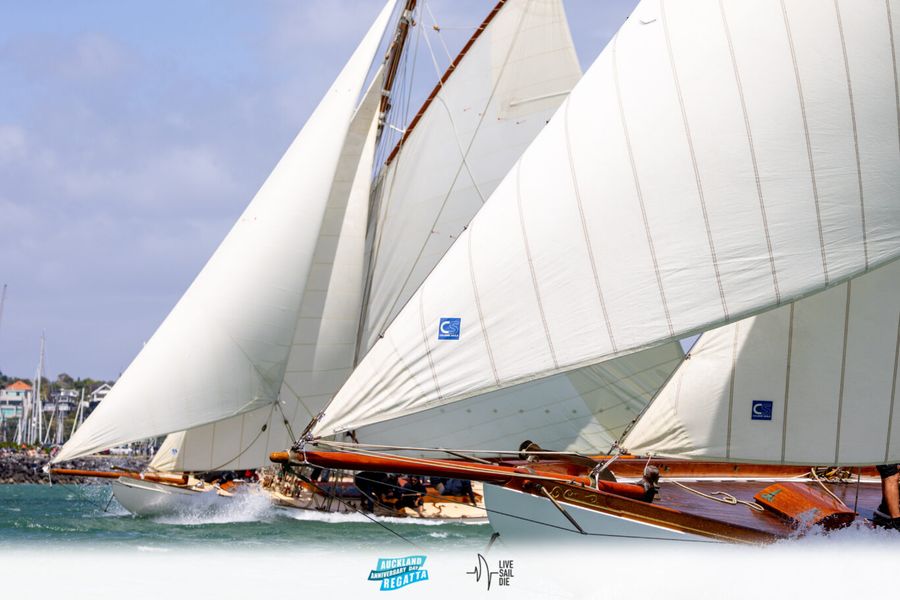
As the towering city skyline served as the backdrop, the regatta brought together classic and modern vessels, each with a story to tell. Following the tugboat and classic launch races, the keelboats took centre stage, divided into six divisions that celebrated everything from vintage craftsmanship to cutting-edge performance.
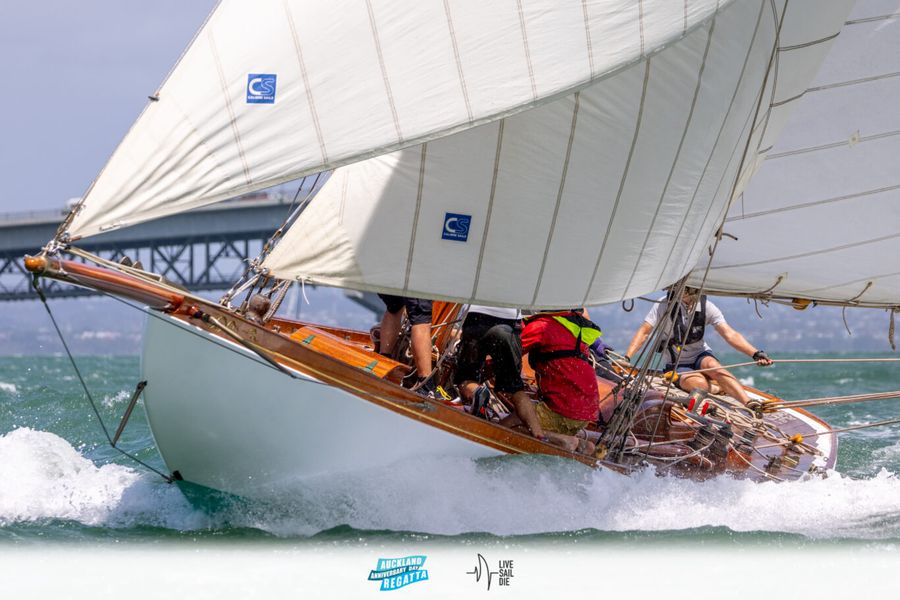
Keelboats, by definition, are the largest of the small sailing boats, designed for a crew of two or more. The design offers stability, thanks to the weighted keel under the hull, which keeps the boat steady and prevents capsizing. This makes them a perfect fit for both beginners and seasoned sailors looking for an exciting, yet manageable, sailing experience. The presence of winches and extra equipment commonly found on larger yachts highlights the versatility of keelboats, bridging the gap between small dinghies and full-fledged cruising yachts.
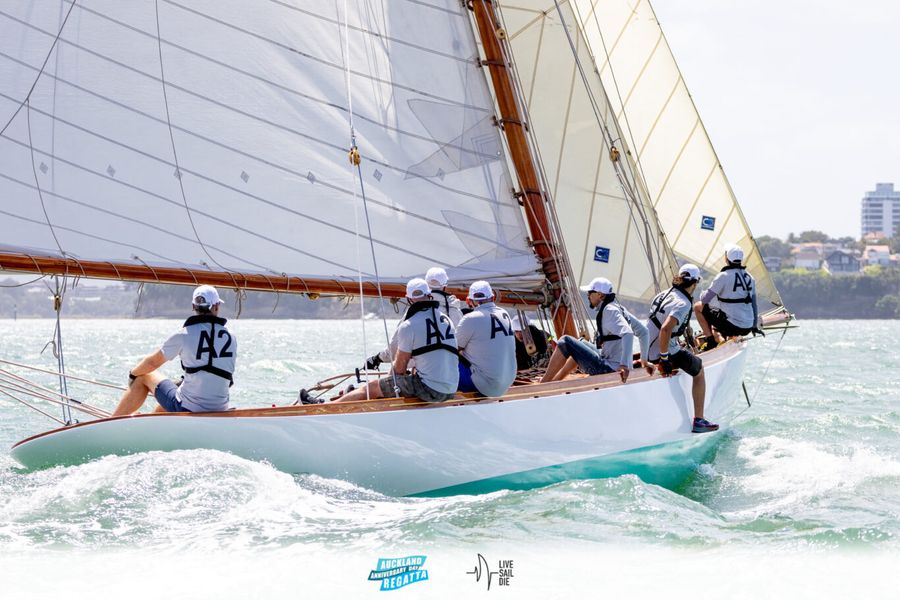
The six divisions in the Keelboat Harbour Race were Classic A, Classic B, D1, D2, D3, and Modern.
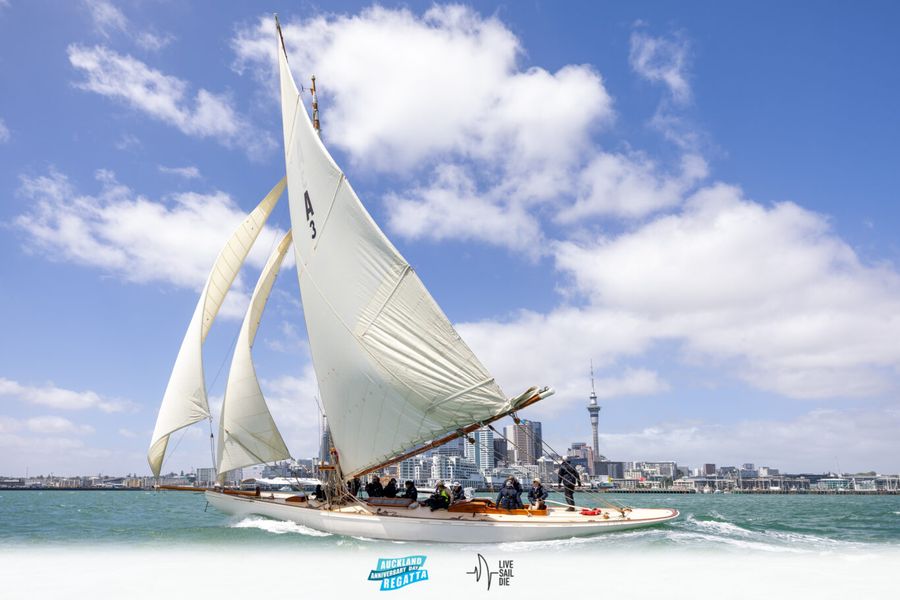
In Classic A, we saw the impressive
Ariki
, a 16.5-metre Logan Brothers Gaff Cutter built in 1904.
Ariki
has long been a champion of Auckland’s waters, and this year, it demonstrated why. On race day, skippered by Andrew Barnes, she proved her grit yet again, claiming first place in her division with an impressive elapsed time of 1:58:42. Alongside it,
Rawhiti
(another Logan design) raced hard but couldn't quite match
Ariki
for the top spot. With her sleek lines and storied past, she finished just three minutes behind
Ariki
. These historic boats, along with others like
Rainbow
, were part of a proud legacy of New Zealand yacht design, with their intricate craftsmanship and timeless appeal.
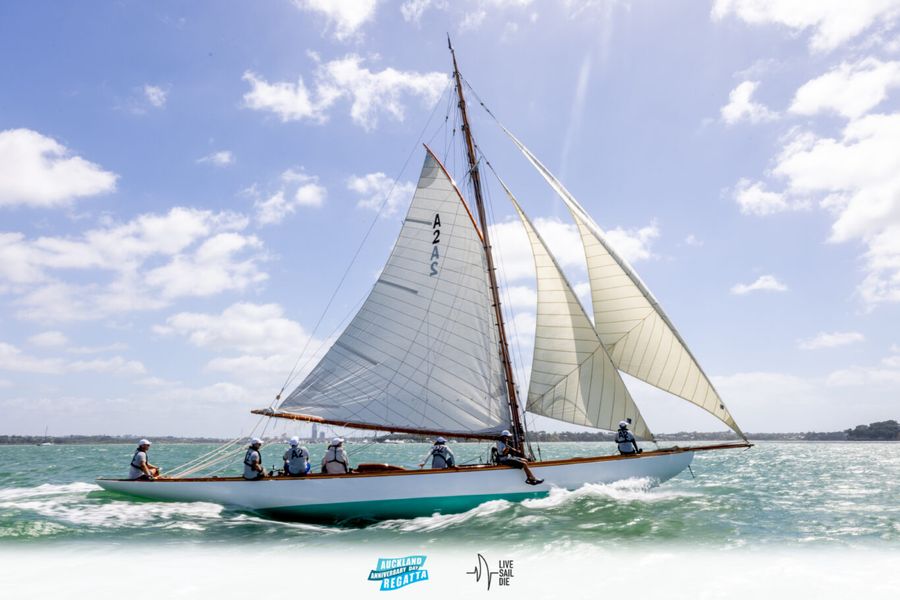
The Classic B division featured boats like
Gypsy
, a 1939 10.4-metre Logan, and
Spray II
, a
9.2-metre
vessel with nearly 85 years of history. While these boats have been restored and lovingly maintained by passionate owners, they still carry the spirit of racing from a bygone era. Unfortunately, neither Classic B boat was able to complete the race today. The Logan Brothers were a renowned boat and yacht design and building firm whose Auckland yard operated from 1890 to 1910. Despite their relatively brief tenure, they were the most influential yacht and boat builders in the Southern Hemisphere during that period. Dominating the New Zealand market, they also exported vessels to Australia, South Africa, and the Pacific Islands, leaving an indelible mark on maritime history. Arch Logan’s breakthrough came with the 1913 design of
Rainbow
, an 18-foot racing yacht that incorporated innovative and highly effective design principles.
Rainbow
quickly earned a reputation for speed and performance, dominating the racing circuit and setting new standards in yacht design. This success laid the foundation for a series of celebrated Logan yachts, known for their sleek lines and efficient racing capabilities. These designs significantly influenced the development of yacht racing throughout the early to mid-20th century. These classics remind us that keelboats are living connections to the golden age of sailing. Restored and maintained by passionate owners and crews, they continue to inspire admiration and awe. In stark contrast, the Modern division showcased yachts that represent decades of technological evolution. The 18.3-metre
Taaroa
, designed by Sparkman & Stephens, led the pack with an astounding elapsed time of 1:47:20. Her sleek form and high-performance design highlighted how far keelboats have come since the early 20th century.
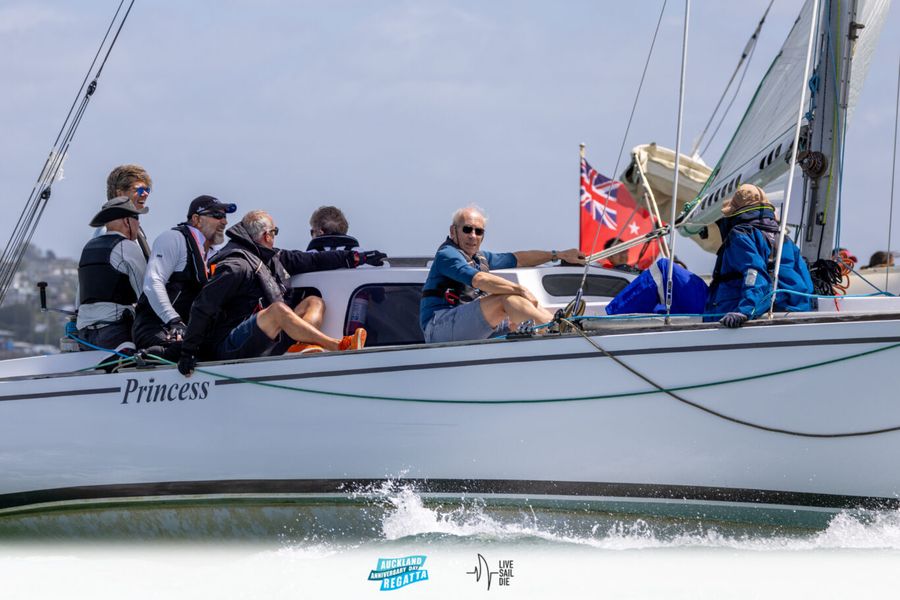
In the Modern division, the sleek
Taaroa
, a 18.3-metre S&S design, emerged victorious with a strong time of 1:47:20.
Princess
, a 1960 Stewart 34, impressed by maintaining a competitive pace against the larger, more modern boats.
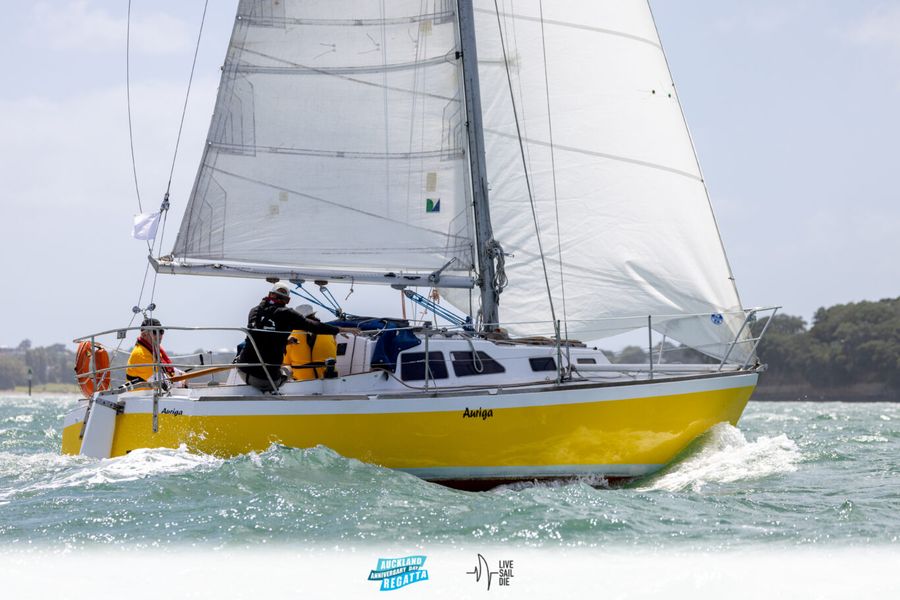
Auriga
(a 1975 Chico 30), with a history of offshore racing, took the day more gracefully, taking the line at a much slower, more sedate pace, finishing
02:16:16 after the race started.
However, the real story here was the grit and determination of the 1940
Flojo,
an Elliot 44 skippered by Gary Vogels.
Flojo
proved to be the standout of the day, not just within its division but across the entire fleet, claiming the fastest time of the race with an impressive elapsed time of 1 hour, 45 minutes, and 19 seconds even though it was one of the oldest boats in the fleet. Meanwhile, in the D2 division,
Ticketty Boo
(a 2020 J Boat) showed that modern boats are pushing the envelope in speed and design. With a time of 1:50:49, it finished ahead of
Urban Escape
and
Tigga
, both of which unfortunately did not finish the race. The D3 division was fiercely contested, with
Scarlet Fever
coming in first, followed by
Lightfoot
. Despite the best efforts of skipper Ryan McCook,
Mouette
, failed to finish.
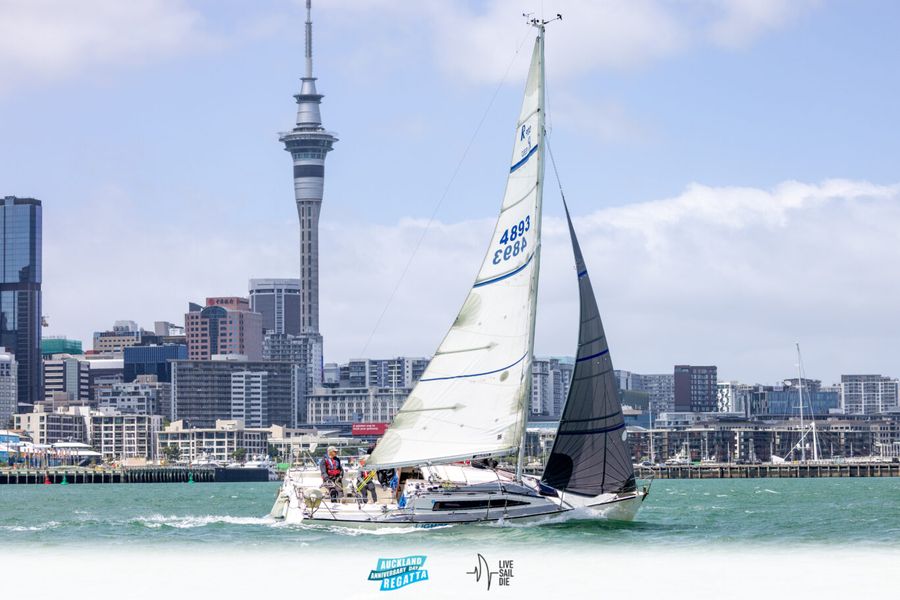
Ultimately, the day belonged to those who could balance the art of sailing with the technicalities of speed.