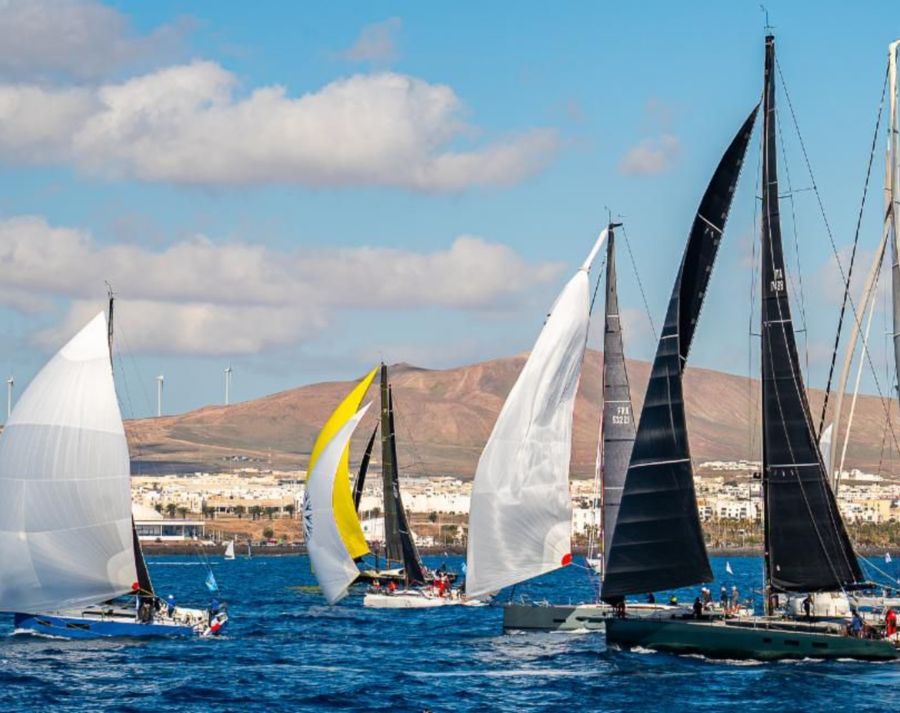
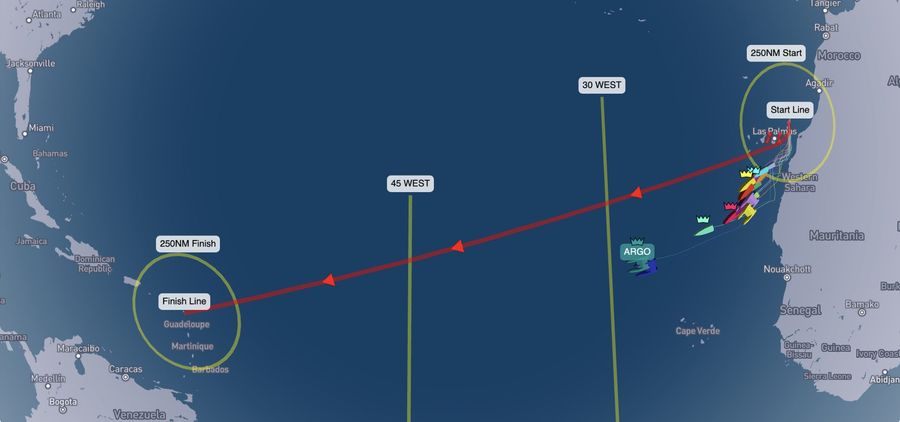
The race got underway on Sunday afternoon local time in the Canary Islands, meaning New Zealand followers were already well into Monday morning when the first boats crossed the start line and began the 3,000-mile passage to Antigua.
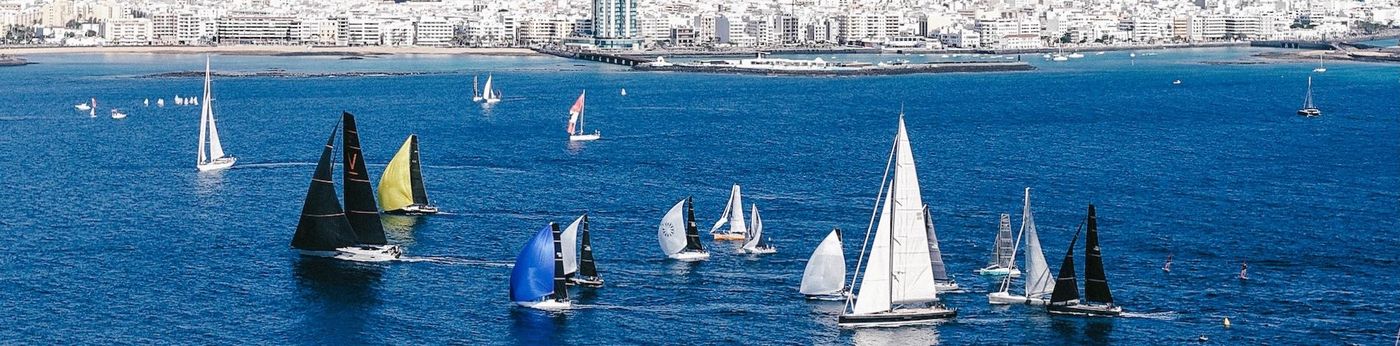
Conditions off Arrecife were as close to ideal as offshore sailors could reasonably hope for. A north-easterly breeze settled in at a comfortable low to mid-teens, and the flat water close to shore gave crews room to focus on clean execution rather than bracing for a rough opening few hours. The fleet departed from Marina Lanzarote, rounding the mark off Puerto Calero before turning south and shifting from coastal sailing into open-ocean mode.
*A start without incident*
For a fleet spanning everything from high-powered multihulls to double-handed monohulls, the opening phase was notably composed. There were no reported issues on the start line and no early retirements, a reflection of sound race organisation and crews unwilling to take unnecessary risks at the very beginning of a long Atlantic crossing.
Rather than crowding the line or searching for every last metre of advantage at the gun, boats used the opening hours to find clear air, settle their sail configurations, and begin building toward a pace they could sustain across the days ahead. Race officials subsequently confirmed the fleet cleared the islands without complication, allowing competitors to turn their full attention to weather routing and offshore positioning.
*Early signs among the monohulls*
As the fleet spread out, patterns began to take shape within the monohull division. The Mach 50 Palanad 4, skippered by Olivier Magre, established herself near the front of the fleet on the water in the early stages, with the Swan 128 Be Cool and the Carkeek 45 Ino Noir also prominent as the boats pushed offshore.
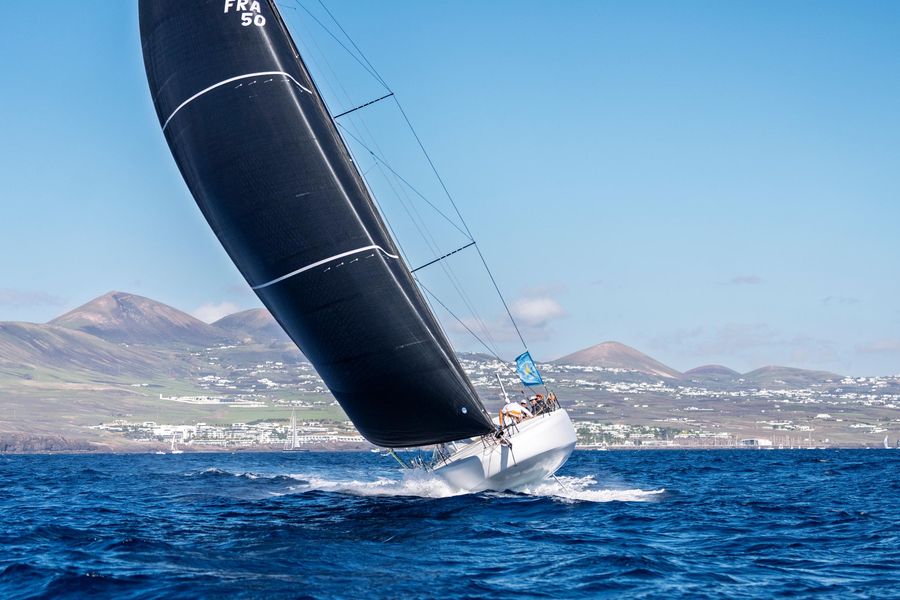
Further to the west, the Baltic 111 Raven moved into open water early and showed sustained pace as she tracked south of the rhumb line. Tracker data from the opening phase recorded her holding speeds in the mid-teens, a signal of intent rather than a fleeting spike. On corrected time, Ino Noir emerged as an early point of reference, with disciplined sail selection and a clean lane away from the bigger boats working in her favour.
*Multihulls step clear*
The multihull start, run separately from the monohull fleet, quickly produced a very different kind of racing. The MOD70s Argo and Zoulou wasted little time once clear of the coastline. Argo rounded the Puerto Calero mark first, and both boats accelerated south with a speed advantage that was immediately obvious as they drove into consistent pressure.
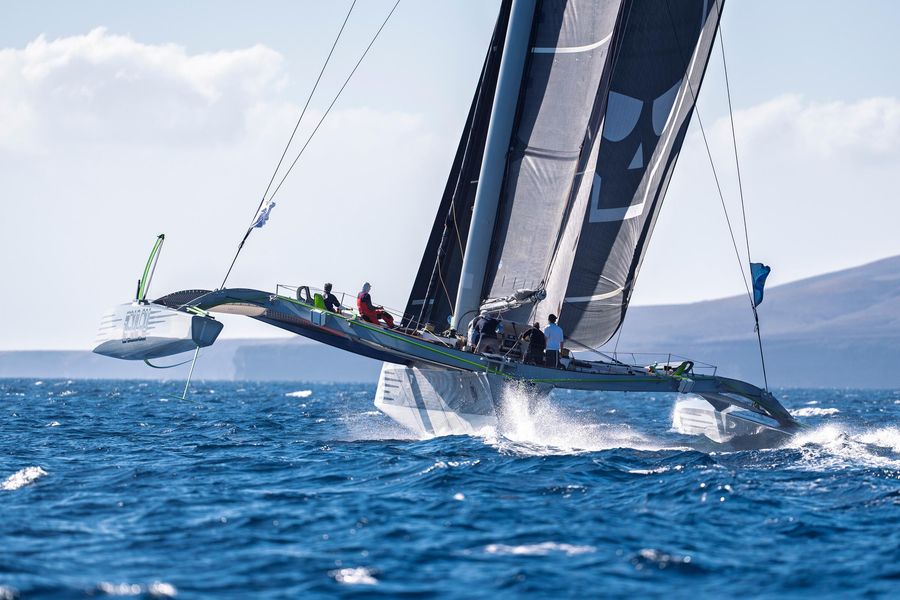
With stable conditions forecast across the opening days, the multihulls were able to find their rhythm without being forced into difficult decisions early. They built separation at pace while resisting any temptation to push unnecessarily hard this early in the crossing.
*A fleet of contrasts*
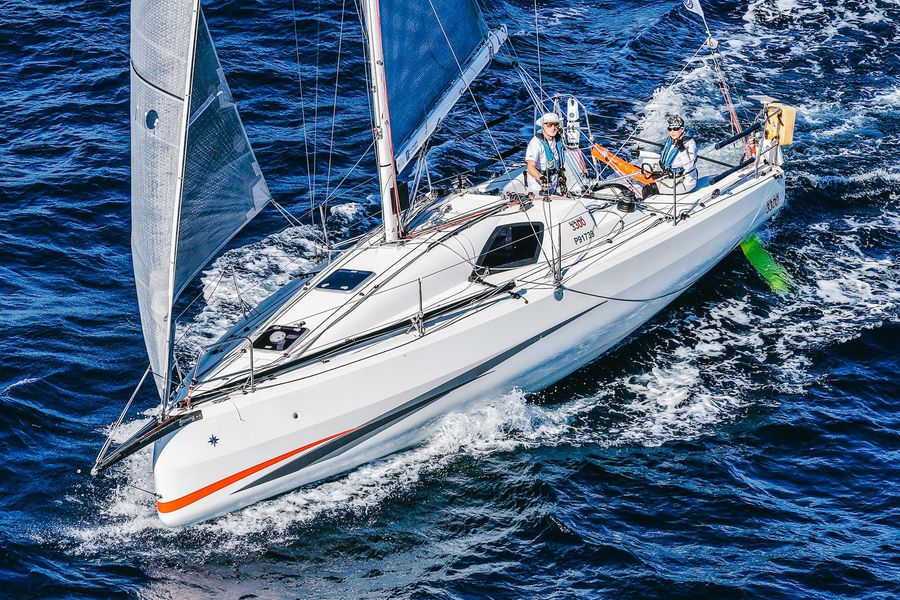
While the fastest boats attract the most attention, the RORC Transatlantic Race has always drawn a wide cross-section of offshore sailors, and this edition is no different. At the smaller end of the fleet is Stimmy, a Sun Fast 3300 sailed double-handed by Ari Huusela. As the smallest boat in the race, her campaign will be measured in steady, reliable miles rather than headline speeds, with crew management and consistency carrying more weight than outright performance.
Also among the starters is Walross 4, a German entry crewed by students whose presence underlines how accessible the race can be to teams willing to put in the necessary preparation. Their participation speaks to the event's standing as a test of endurance and readiness as much as speed.
*Settling into the crossing*
With the fleet clear of land, the tactical focus has shifted away from starting positions and toward the bigger decisions that will define the days ahead. How each boat is positioned relative to the trade winds, how sail inventories are managed, and how crews balance pace against the wear of long offshore miles will all come to matter more than anything that happened in the first few hours.
For New Zealand followers watching from the far side of the world, the race is already deep into its first full day at sea. Boats that left the dock in Lanzarote on Sunday afternoon are now well into the rhythm of the Atlantic, chasing pressure westward toward the Caribbean. The opening phase suggests the 2026 RORC Transatlantic Race has started on good terms, calm, controlled, and with the ocean now in charge of what comes next.