A half-second power surge triggered a cascade of failures at a North Auckland wastewater pump station last October, producing what is understood to be the largest wastewater spill ever recorded into the Mahurangi River. Independent reviews have now established how it happened.
Editor's note: This article has been updated to clarify the total cubic metres of sewage that flowed into the Mahurangi River.
The incident began at around 2.30pm on 29 October at Watercare's Warkworth Street wastewater pump station. A power surge knocked out the pumps, and the problem went undetected until 8am the following morning. Watercare puts the total volume of overflow at 1200 cubic metres, of which 600 cubic metres entered the Mahurangi River, with the remainder held within storage tanks at the wastewater treatment plant.
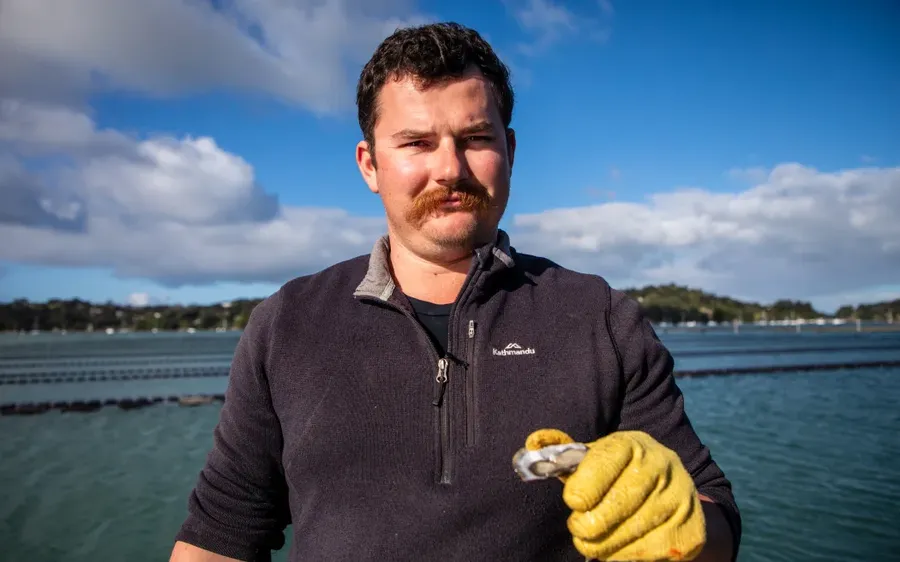
For local growers, the timing could hardly have been worse. Oyster farmers on the Mahurangi were incensed, with one reporting that as many as 80,000 oysters had to be discarded at the peak of the season.

On Thursday, Watercare confirmed that independent reviews into the cause of the overflow had been finalised. The company described the event in a press release as stemming from "a unique chain of events involving technical and operational factors at the newly commissioned Warkworth Street Pump Station, triggered by a power outage."
Watercare's chief operations officer Mark Bourne told RNZ that the root cause was a faulty safety relay inside the plant's surge protection system. That relay was in conflict with other safety relays, and the conflict prevented the pumps from restarting after the surge, which amounted to roughly half a second of disruption. Under normal conditions, Bourne said, the pumps would simply have come back online. He noted the treatment plant was designed so that its protection systems would engage when individual components failed.
The overflow alarm, which Bourne described as the most critical alarm in the system, also failed to trigger. "That was tested during the pre-commissioning phase before the pump station went into operation but for whatever reason, failed during that operation phase," he said.
Bourne pointed out that the Warkworth Street plant was new and still working through its commissioning and start-up phase when the October failure occurred. Pre-commissioning testing had been conducted using clean water, and he acknowledged that the full range of real operating conditions could only be assessed once the plant was actually running. "We try and simulate all activities during the initial testing process, but as I indicated before this was a very unique set of circumstances," he said.
Since the event, the faulty safety relay has been repaired and all alarms have been tested and checked. When asked whether he was confident the station could cope with future power surges, Bourne said he had "absolute confidence" in the Warkworth Street pump station.
On the question of accountability given the multiple failures, Bourne was clear that Watercare did not deflect. "It's our pump station, it's our operation, if there's further conversations to be had, they'll be for us to have at a later date, but at this point Watercare takes responsibility for the fault that occurred," he said. He was equally clear that the problem was not a sign of broader issues across Watercare's network, which encompasses more than 550 pump stations throughout Auckland, describing the circumstances as unique. "This event is just so unfortunate and quite frankly we're gutted that it occurred," he said.
Also confirmed on Thursday was the final round of compensation payments to affected oyster farmers, bringing Watercare's total payout to $2.75 million.