Modern explorer yachts can cross oceans, carry helicopters, deploy ROVs and stay connected almost anywhere. Monaco is asking what all that capability is actually for.
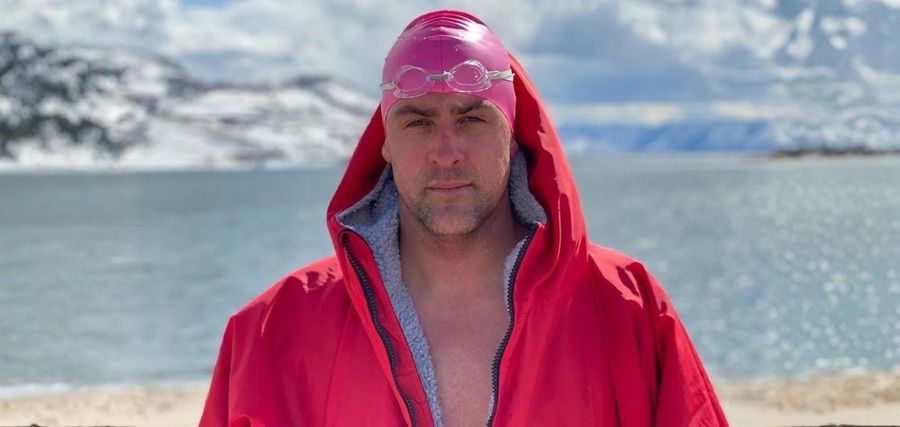
American adventurer Rob Lea has climbed Everest, swum Cook Strait and completed some of the world's toughest open water crossings. On 12 November, he will stand before the Explorer Yachts Summit at the Yacht Club de Monaco and ask what makes an explorer in 2026. It is a good question to ask about the boats, too.
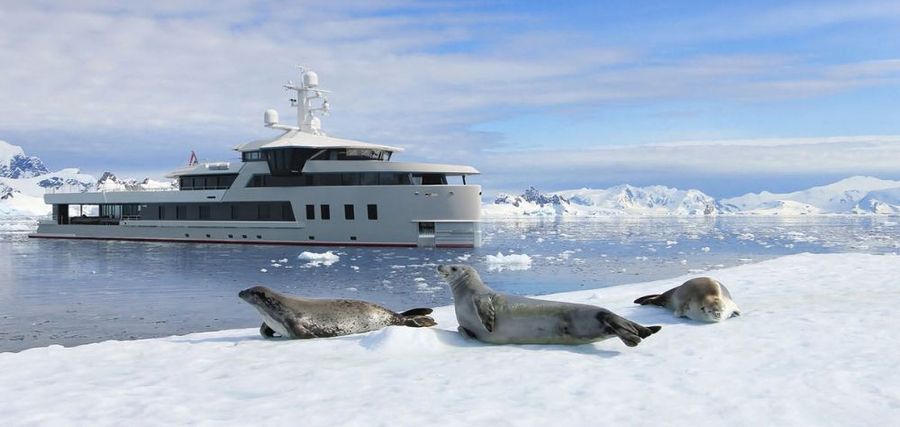
Modern explorer yachts can cross oceans and operate for long periods away from conventional support. Satellite communications have changed what being remote means, while equipment once associated with research vessels is finding its way aboard private yachts. Many of the old barriers have fallen, which leaves designers with a more interesting problem: what should they do with all this capability?
Explorer yacht design starts with the mission
At last year's Summit, naval architect Espen Øino argued that an explorer yacht's mission needs to be established early, with Damen Yachting making a similar case. The reason becomes obvious when two supposedly similar explorer yachts head in different directions. Regular Antarctic cruising asks something very different of a boat than exploring Pacific islands, while serious diving or carrying scientists changes the brief again.
This year's Summit takes that thinking further. Its programme asks which equipment genuinely improves an expedition and which simply adds cost and complexity. That is a very different starting point from working through a catalogue of everything modern yacht technology makes possible.
For a designer, the mission begins shaping the architecture before anyone gets excited about the toys. Fuel, storage, accommodation, deck space and launching systems all compete for room. Once the purpose is clear, some choices become obvious and others become much harder to justify.
When capability becomes a compromise
One of Monaco's more provocative 2026 discussions will tackle what the organisers call explorer overkill. Ice capability, helicopters, large tenders and dive centres can transform an expedition, and for some yachts they are essential. Monaco is asking whether they belong on every boat carrying the explorer label.
The complication is that the equipment does not exist in isolation. A helicopter affects far more than the landing deck, while large tenders need somewhere to live and machinery to launch them. ROVs and dive equipment bring their own demands for power, storage and people who know how to operate them.
There is a familiar design problem here. New technology makes it easy to add another capability, particularly when that capability looks impressive on a specification sheet. Deciding not to include it can require more thought than finding somewhere to put it.
Explorer yachts are becoming platforms
Perhaps the more interesting development at Monaco is what happens when all this technology is given a job. The 2026 programme will look at scientific equipment aboard private yachts, including sampling systems, drones and ROVs. That puts more focus on what the yacht can do when it gets there, rather than simply how far it can travel.
An ROV gives the crew access below the surface, while drones can scout further afield. Tenders still do much of the practical work, getting people and equipment into shallow water or ashore. With good communications back to specialists on land, the yacht can support a surprisingly wide range of work from one location.
There is already evidence of that change. At last year's Summit, marine scientist Dr Paige Maroni discussed research conducted aboard the 46 metre Scintilla Maris and 24 metre On Liberty. Dedicated research vessel time is scarce and expensive, so a private yacht passing through the right part of the world can provide something scientists badly need, access.
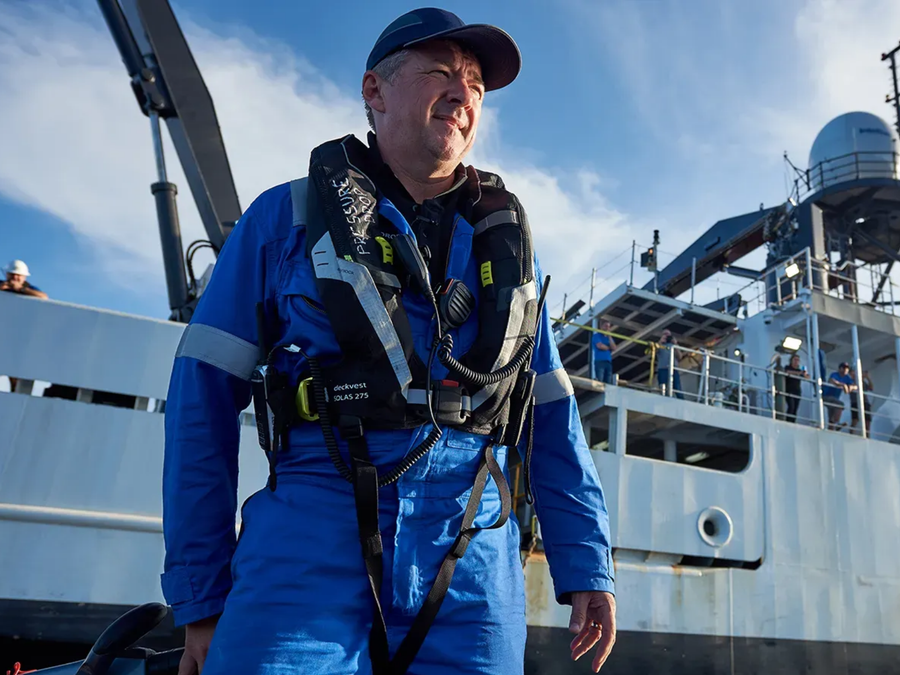
New Zealander Rob McCallum knows the extreme end of this type of exploration well. The EYOS Expeditions cofounder was involved with the Five Deeps Expedition and has descended to Challenger Deep, almost 11 kilometres below the Pacific. Speaking at Monaco last year, McCallum said the starting point was curiosity, with the boat, crew and equipment coming afterwards.
What comes next for explorer yacht design?
That makes Lea an interesting choice for this year's keynote. He is not a yacht designer, but his Double Seven project combined major mountain climbs with the seven Oceans Seven swims, including Cook Strait in 2024. He completed the final swim, Japan's Tsugaru Strait, in June, just months before he will put his question to Monaco.
It is a question that reaches beyond Monaco. Today's explorer yachts already have the range and technology to operate in some extraordinary places. Where designers go from here may depend increasingly on what owners actually want to achieve once the boat gets there.