Liv Mackay – SailGP strategist and foiling trailblazer |
|---|
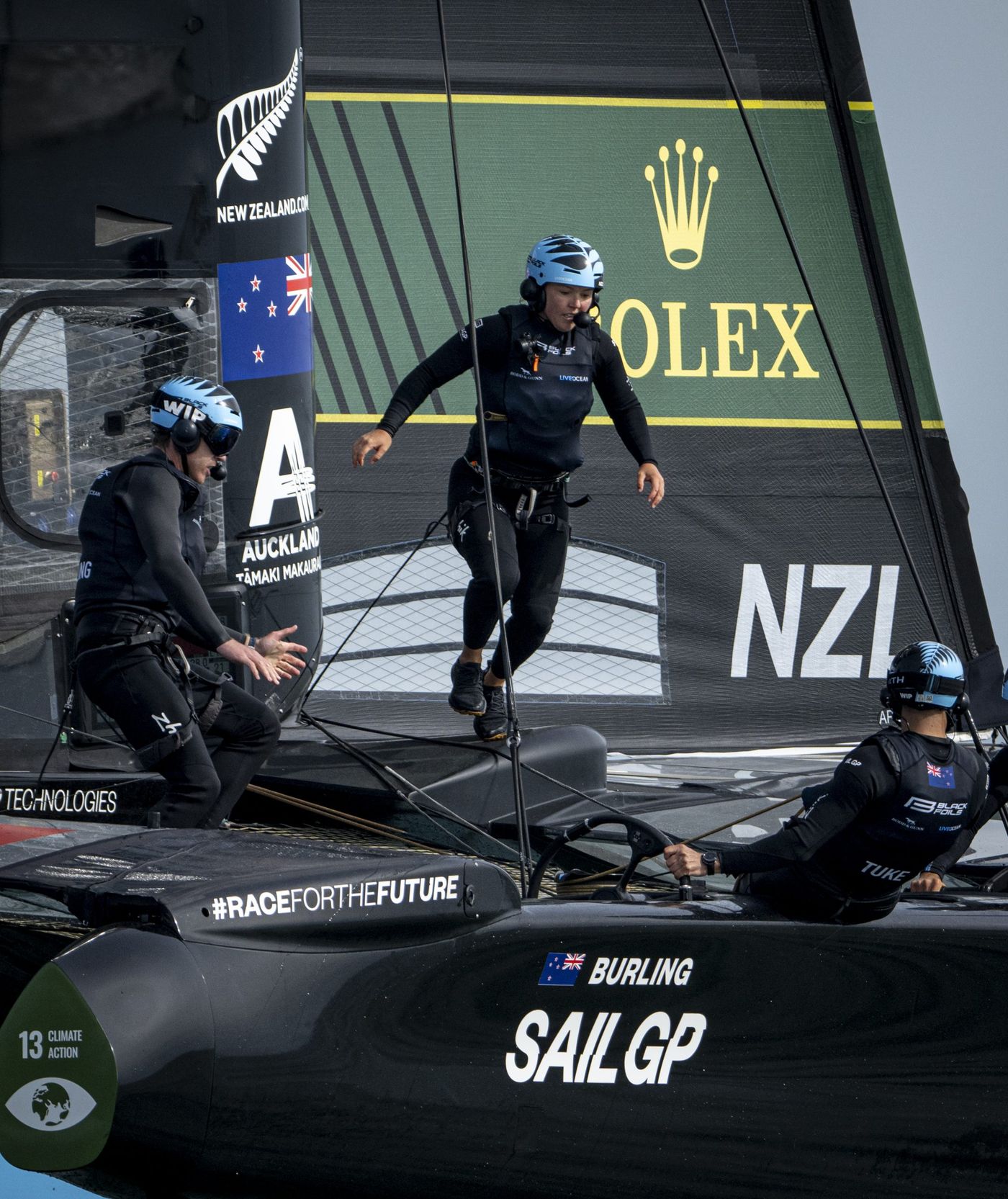
| In 2019, Liv joined the New Zealand SailGP Team following a women’s invitational trial. Since then, she’s become an integral part of the Black Foils crew, serving as strategist — or “helm assist” — across multiple seasons. Working closely with Peter Burling and coach Sam Meech, Liv brings tactical clarity, racecourse analysis, and pressure calls to every SailGP race. Her insights have helped secure event wins in every single event location in the 2025 season, and beyond. As the only woman onboard the Black Foils, Liv stands out not for her gender, but for her growing authority as a strategist. With minimal practice time and ever-changing venues, her calm command of race prep is proving a major asset. |
[embed]https://images.boatingnz.online/wp-content/uploads/2025/08/04174744/Liv-Mackay-Interview.mp4[/embed]
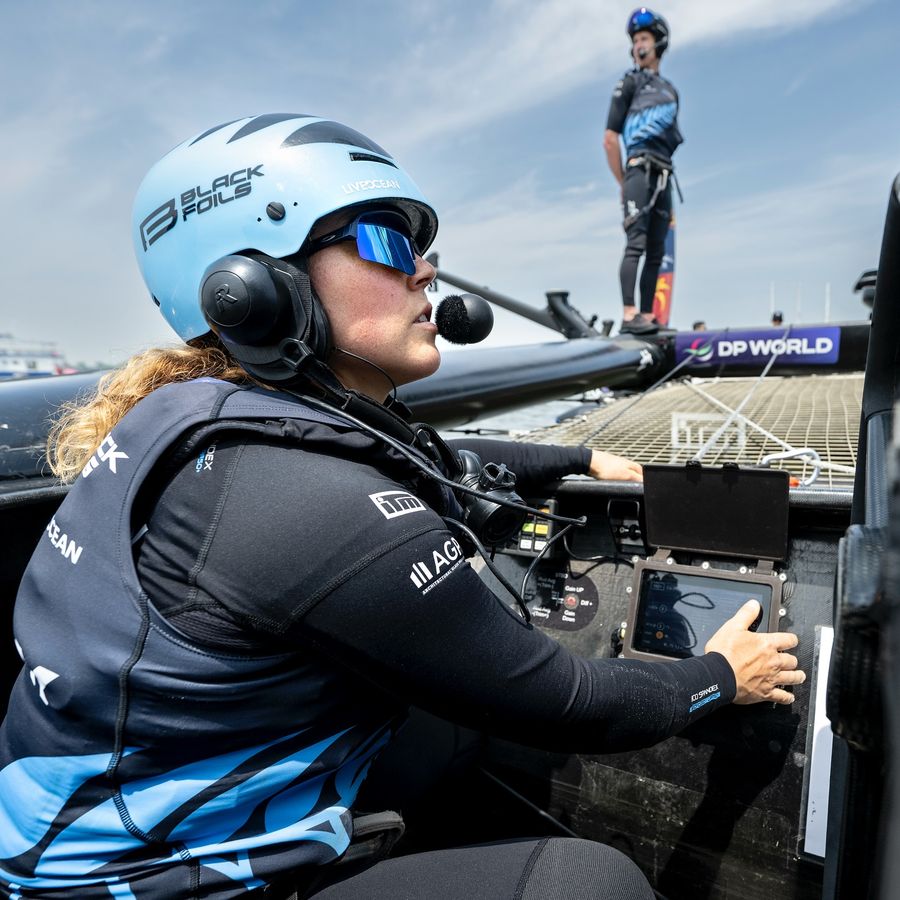
Aboard a SailGP F50, decisions happen in fractions of a second and the margin for error is almost nothing. Most spectators focus on the helm, but the person shaping what Peter Burling sees and hears in any given moment is strategist Liv Mackay, positioned just behind New Zealand's skipper and feeding him the clearest possible read of a race in full flight.
"I work closely with Sam Meech in the coach's booth and Jo Aleh," says Mackay. "The idea is to give Pete the clearest possible picture to make decisions, because at the end of the day, he's the one pulling the trigger."
Wind, pressure, opposition movement, lay lines. Mackay processes it all and converts a fast, chaotic environment into usable calls. Sam Meech adds another dimension from the coach's booth, overlaying live data on top of what Mackay is reading from the water.
"I'm calling intersections, seeing what's building, what's shifting. Sam's adding another layer with live data from the coach's booth, almost like a helicopter view."
In a competition where a single degree of error can shift a regatta result, that triangulated picture underpins every tactical move the team makes.
Preparation begins well before any race weekend appears on the horizon. While the cameras packed up after Portsmouth, the Black Foils squad was already working through what that event taught them.
"It never really stops," she explains. "We're still debriefing Portsmouth. But about ten days before the next event, we shift focus and start analysing venue features, currents, markers, course geometry. We begin thinking about what will define this race."
Tidal behaviour, historical wind patterns, physical hazards in the channel, course geometry. All of it feeds into a strategic picture assembled well in advance. Portsmouth offered a useful example of how specific that analysis can become. "For Portsmouth, for example, mark one was key. If you could drive at mark one, you were almost guaranteed a top-three finish. That sort of insight becomes critical."
Those findings shape starting plans, boat positioning, and how much risk is acceptable on any given leg. Mackay is clear that the process is not about drowning in numbers. "We're still figuring out what's most useful. Every day is different, five knots versus 15 in waves changes everything."
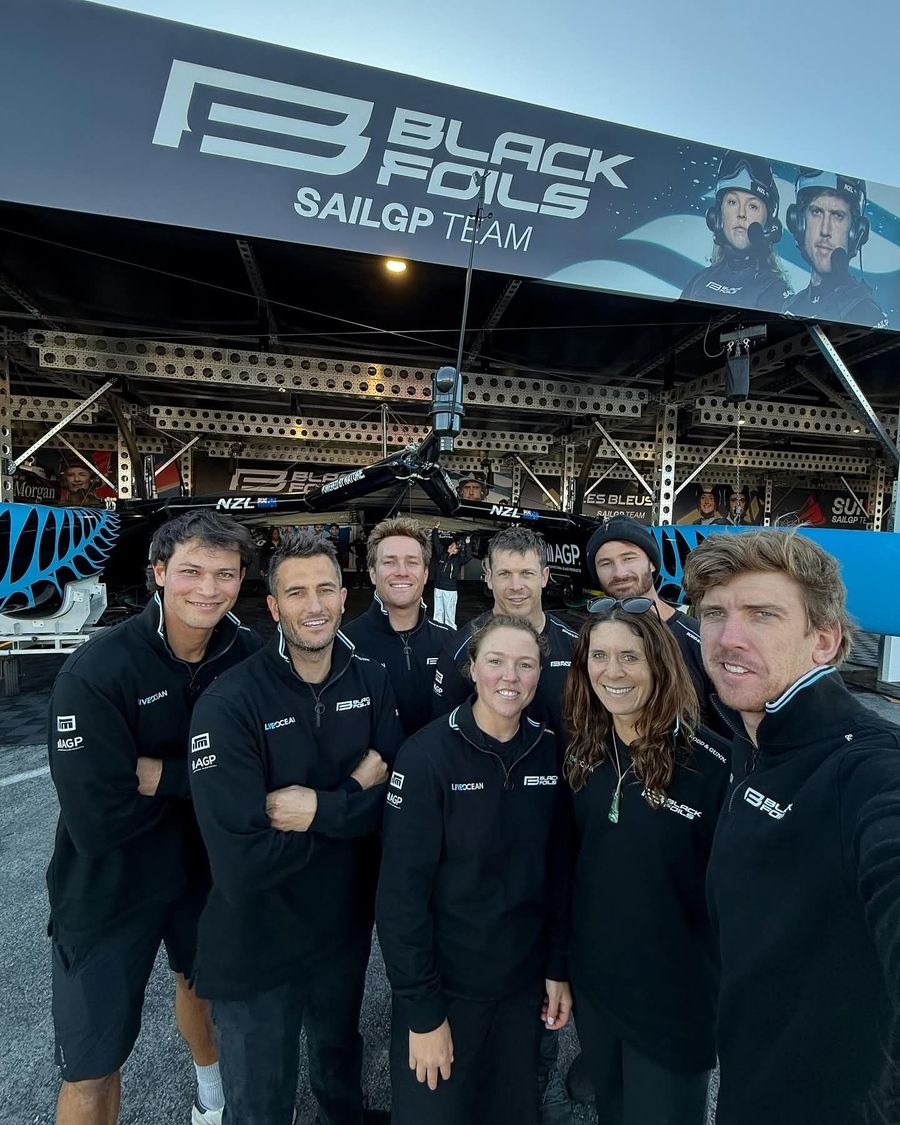
Germany will offer a genuinely blank canvas. Unusually for a SailGP venue, the sailing community holds almost no collective knowledge of the place, which creates an uncommon dynamic heading into the event.
"It's such a unique venue. We couldn't find many people who've even sailed there," Liv admits. "So that levels the playing field. It will come down to who can learn the fastest, and that's something we think we do well."
That confidence is grounded in a specific approach to the gaps between events. "It's the work between events. We have a lot of meetings, we review a lot together. And because we often get no real sailing time, that prep has to count."
On-water preparation at SailGP events is famously limited, which means the squad must arrive operationally ready rather than physically tuned. "We might get a five-minute warmup. So we go in loaded, mentally, not physically."
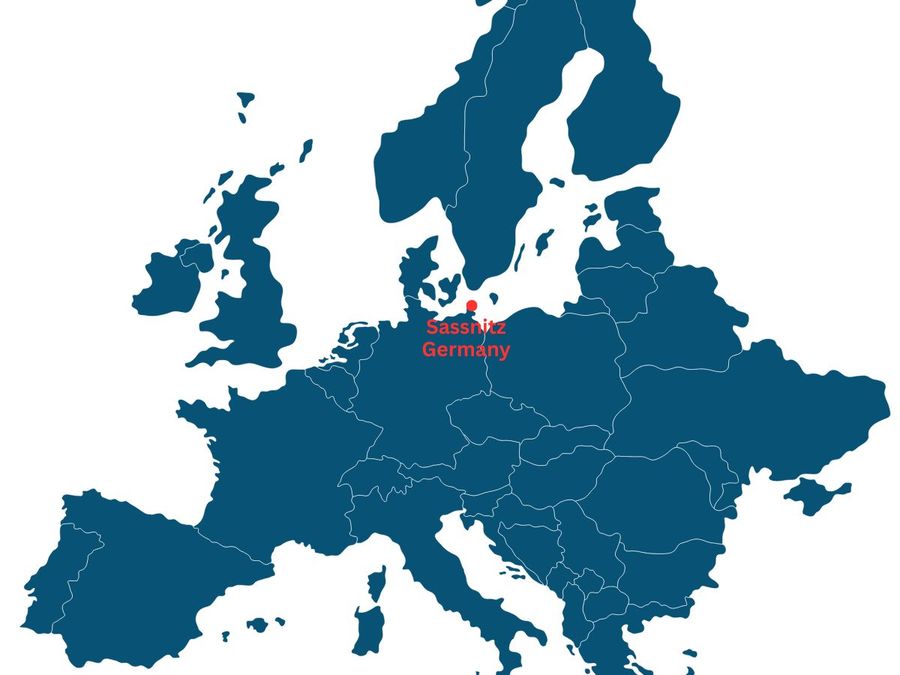
Sassnitz set to test the fleet: SailGP’s Baltic battleground |
|---|
| SailGP heads to uncharted waters on 16–17 August 2025, as Sassnitz, on Germany’s Rügen Island, hosts its first-ever Grand Prix. Exposed to the Baltic Sea and framed by dramatic chalk cliffs, Sassnitz promises a course unlike anything the fleet has seen — but closest in spirit to Copenhagen’s gusty flats, Plymouth’s coastal compression, and Saint-Tropez’s thermal trickiness. Wind and water conditions will be key. The area is known for light to moderate summer breezes, but with unpredictable shifts, narrow start-box geometry, and the possibility of choppy seas from fast-building weather fronts. With no prior SailGP data and minimal practice time, the learning curve will be steep. For Germany SailGP, led by Erik Heil, Sassnitz is a milestone — the team’s first home event and a chance to leverage local knowledge in front of a passionate crowd. But with top contenders like New Zealand and Australia in strong form, the pressure is on. Expect tight mark-one duels, short-course aggression, and a venue that rewards adaptability over brute speed. If SailGP is about pushing limits, Sassnitz may push them further than ever — with the raw Baltic proving an ideal proving ground. |
Given SailGP's reputation as one of the most technologically advanced racing series in the world, it might seem natural to assume that artificial intelligence is doing some of the heavy lifting behind the scenes. Mackay is quick to correct that impression.
"No," says Mackay with a laugh. "It's all based on experience. We build playbooks, yes. We track venue patterns, sea breeze tendencies, tide behaviour. But it's all human analysis. No models. No AI."
What they rely on instead is accumulated knowledge, carefully organised. Venues get classified by their dominant characteristics, whether offshore wind influences or tight harbour geometries, and that classification helps anticipate the shape of a race before it begins. "Some courses are offshore-influenced, some are tight harbour setups. We classify them by geometry, wind effects, fleet behaviour. That helps us anticipate the kind of race we'll face."
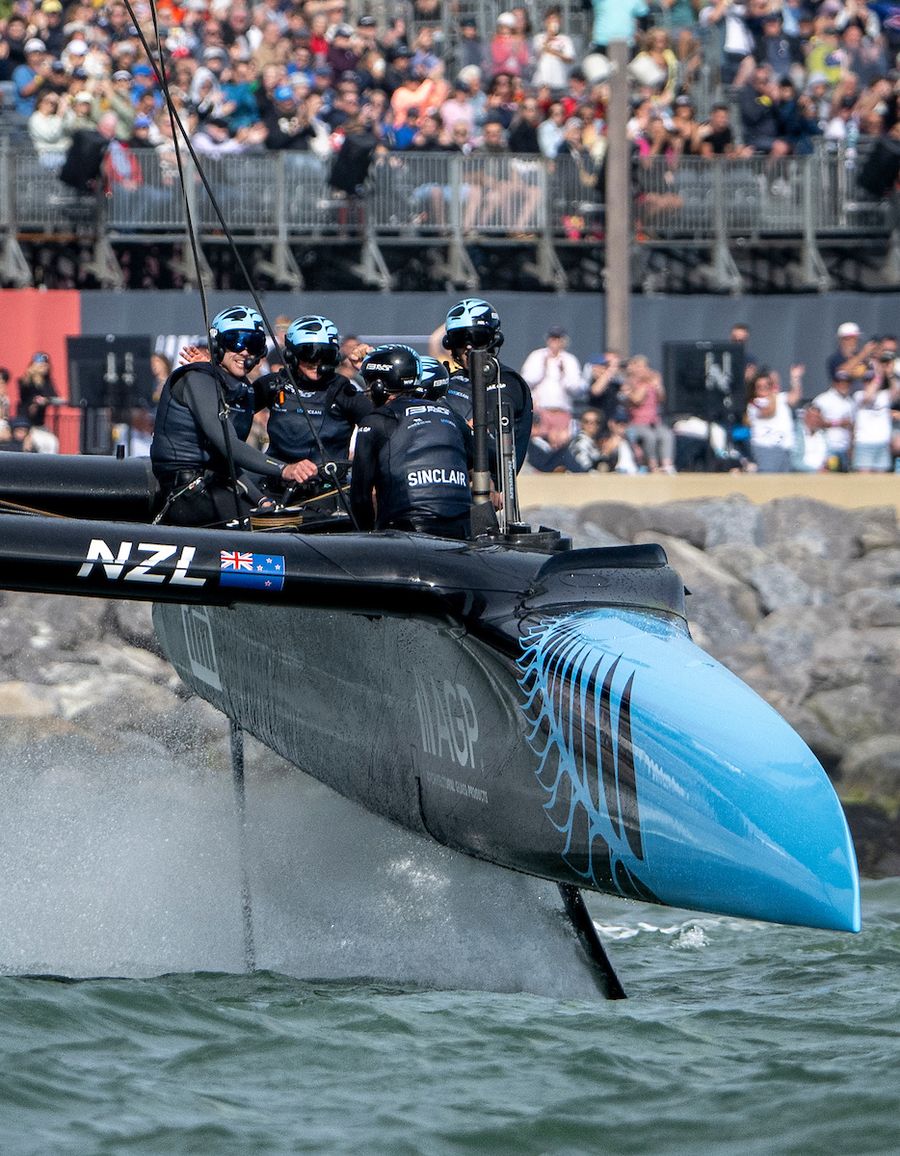
The season did not begin smoothly. Auckland and Sydney produced difficult results, and the team took time to settle into a cohesive rhythm. What has shifted since then is the sense that the accumulated effort is now showing up where it matters.
"We took a while to find our feet as a team. But Los Angeles and San Francisco, even though the results weren't stand-out, we felt really solid. New York and Portsmouth showed that the work is paying off."
A new addition to the crew has contributed to that shift in feel. "Leo [Takahashi] has been a great addition. He's younger, hungry, and brings excitement. And the team culture has always been strong, so that's only grown."
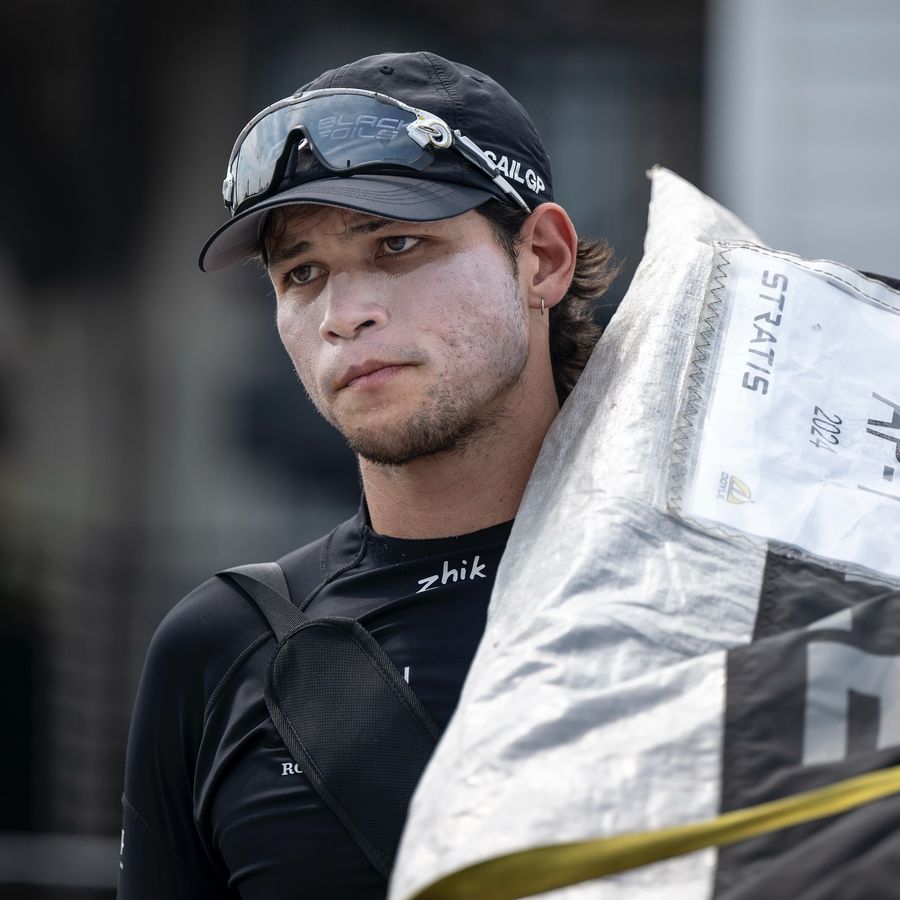
The season run-in will be unlike anything the series has staged before, with four teams bunched closely at the top and a string of back-to-back events compressing the schedule dramatically.
"We've never had this many back-to-back races," Liv notes. "And with penalty points and damage in play, anything can happen. I think you'll see teams being more aggressive."
The compressed calendar may also accelerate performance gaps. The T-foil systems remain relatively new across the fleet, and with so little practice time available, breakthroughs can appear suddenly. "Some teams will build momentum. Others may not. With the T-foils still being new, and limited sailing time, you might see some serious jumps in performance."
Heading into the final stretch, the mood among the Black Foils is one of readiness rather than anxiety. "We're ready. It's going to be intense, but exciting."