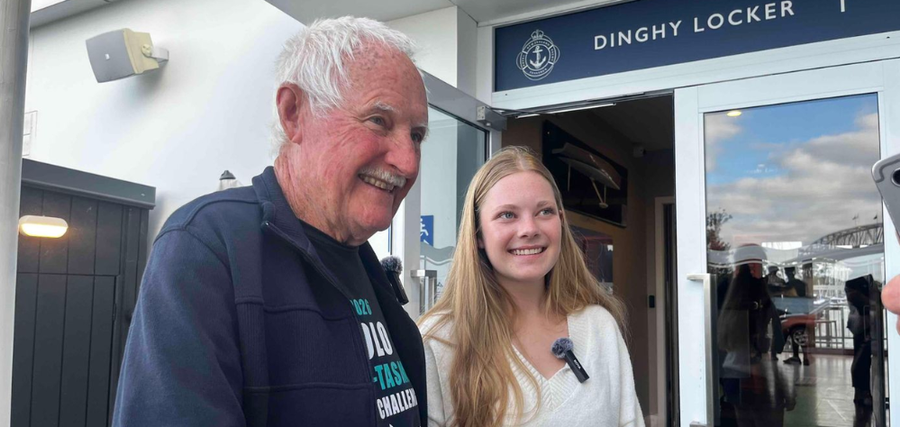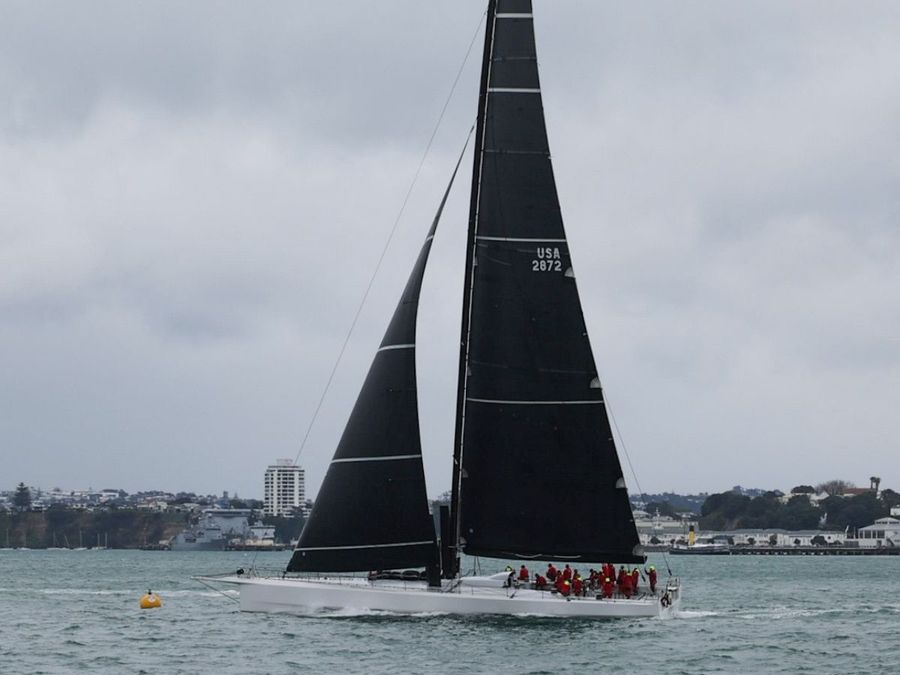
All five yachts that departed Sydney a week ago have now made port in Auckland. Sails are down, lines are fast, and crews who pushed themselves across one of the world's most unpredictable stretches of open water are finally resting. The 2025 Sydney to Auckland Ocean Race is done, and its most striking statistic is the simplest one: five boats started, five boats finished. In ocean racing, that kind of clean sheet is never accidental.
From Bryan Ehrhart's American maxi Lucky, which demolished the course record, to Cooloola, which crossed in the early hours of Sunday morning, every yacht in this fleet earned something worth keeping. The atmosphere on the Viaduct reflected that. Tired smiles, unhurried conversations, and the particular quiet satisfaction of people who have genuinely tested themselves.
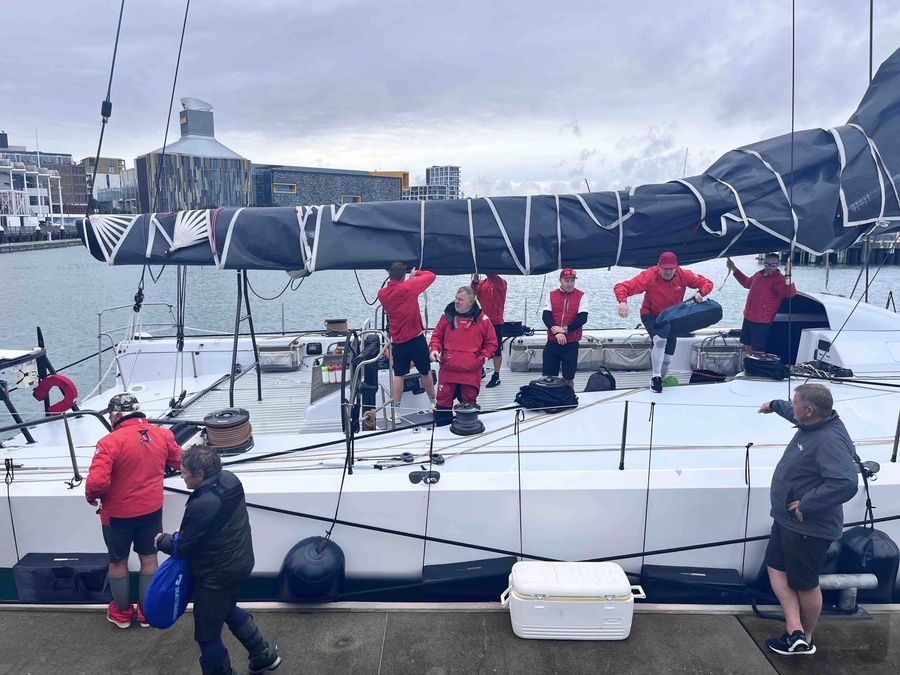
Two editions into its life, this race has already grown into something with real identity. It is not the longest offshore passage on the calendar, nor the most technically complex. What it demands instead is judgement: soft, tricky conditions off Sydney at the start, open-ocean decision-making across the middle, then a careful coastal approach as the Hauraki Gulf draws closer. Finishing it earns a crew a legitimate place in a growing chapter of Tasman sailing history.
If the 2023 race was about proving the concept, 2025 was about raising the standard. Lucky, an 88-foot Juan K-designed maxi sailing under Kiwi tactician Brad Butterworth, crossed the finish line at 09:27 AEDT on 14 October having covered the course in 2 days, 20 hours, 27 minutes and 7 seconds. It was a commanding, disciplined campaign from a crew that found their groove early and held it.
"It was a classic Tasman — soft at the start, building on approach," one crewmember said. "We found a lane and stayed in it."
Butterworth's familiarity with these waters was evident throughout, and Lucky moved through the conditions with the confidence of a campaign that had planned for every scenario.
Behind the maxi, the Australian boats waged their own contest. Frantic, out of Newcastle, was the next to cross, finishing at 23:26 AEDT on 16 October with an elapsed time of 5 days, 10 hours and 26 minutes. It was a measured, assured performance, the crew maintaining their pace through the lighter patches in the mid-Tasman and pressing hard whenever pressure built.
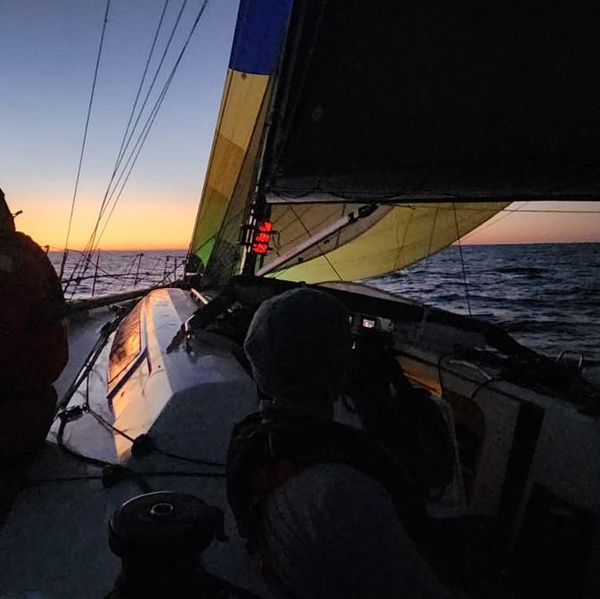
Antipodes, winner of the inaugural 2023 race, arrived at 03:06 AEDT on 17 October, recording 5 days, 14 hours and 6 minutes elapsed. The experienced crew once again showed why this boat remains one of the most reliable offshore performers in the region. On corrected time under IRC they came home second, and their Tasman credentials continue to be impeccable.
"We love this course — it's short enough to race, long enough to learn," one of the watch captains said, coiling lines on the dock after arrival.
Wings and Cooloola spent more than a week at sea, trading positions through the final stages along the Northland coast in a private battle that gave the race a long, absorbing tail. Wings crossed at 22:39 AEDT on 18 October, an elapsed time of 7 days, 9 hours and 39 minutes, and ultimately took ORC honours on corrected time with 9 days, 5 hours, 30 minutes and 42 seconds. Cooloola completed the race just a few hours behind, crossing at 02:13 AEDT on 19 October after 7 days, 13 hours, 13 minutes and 55 seconds at sea, sealing the fleet's perfect finishing record.
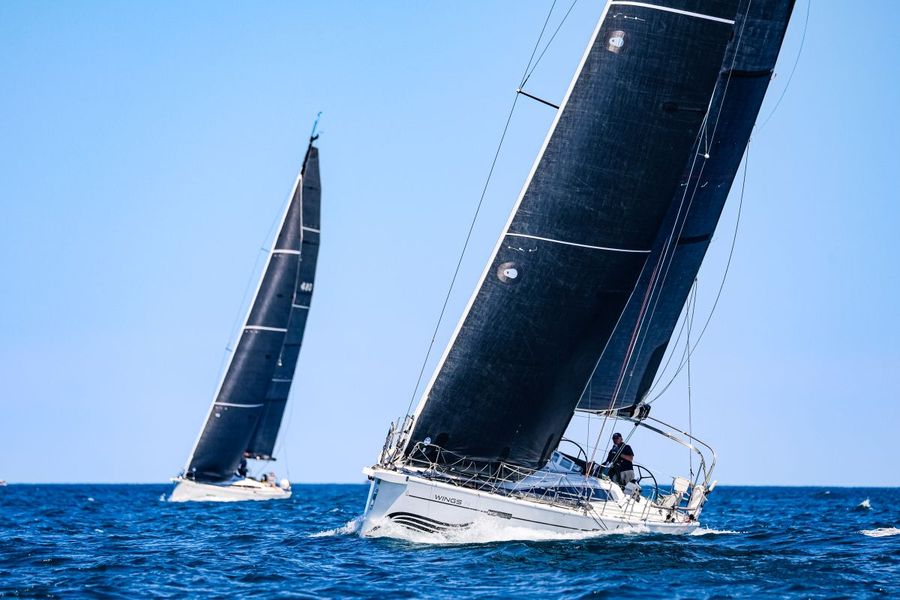
Neither boat carries the profile of the maxis, but sailing a smaller yacht across the Tasman demands a different kind of toughness: stamina, patience, and the mental resolve to keep making sound decisions when the miles are grinding past slowly. The reception waiting for both crews in Auckland acknowledged as much.
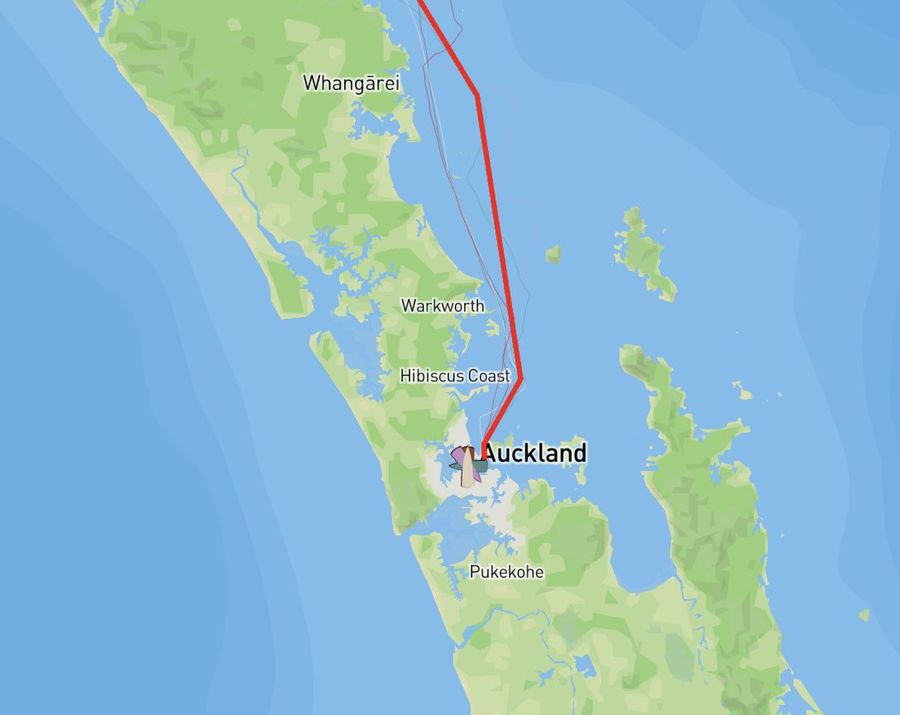
The weather delivered what the Tasman usually does. Light easterlies off Sydney gave way to soft running through the middle of the crossing, before southerlies strengthened on the approach to New Zealand. Speed helped, but the boats that managed the slow patches without losing their nerve were the ones that arrived satisfied. Track plots show most of the fleet holding a central corridor across the Tasman before angling toward Northland for the final reach, setting up a tactical finish that kept the smaller boats racing well into the weekend.
Two editions in, the Sydney to Auckland Ocean Race has the feel of something established. Antipodes wrote the first chapter in 2023; Lucky has now added a bolder, faster second. Both races have validated the route, proved the logistics, and demonstrated the appeal. Few arrivals in offshore sailing match coming through the Hauraki Gulf with Rangitoto rising ahead and the lights of the Viaduct waiting beyond it.
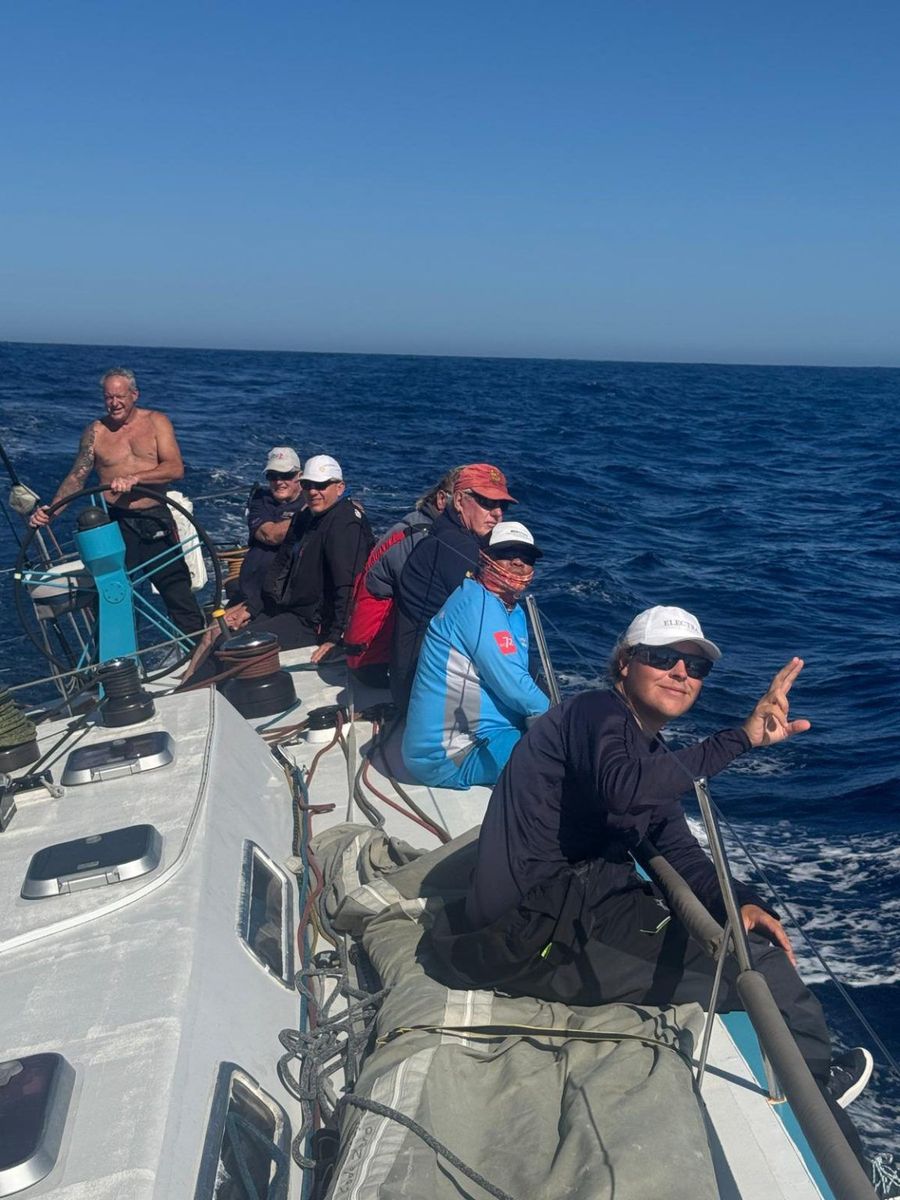
What this year's finish revealed went beyond the results sheet. Every team, from the professional campaigns to the Corinthian crews, completed what they set out to do. That speaks to the quality of preparation across the fleet, and to the kind of mutual respect that offshore racing builds among people who understand exactly what the other boats have been through.
As lines were coiled away and crews drifted toward long overdue breakfasts, the conversation had already shifted to next time. The signs are clear that this trans-Tasman contest has found its place on the calendar and intends to stay there.