EURONAVAL 2026 will bring nearly 500 exhibitors to Paris Nord Villepinte from 3 to 6 November, and the naval exhibition's 30th edition offers more than military hardware for recreational boaters to consider.
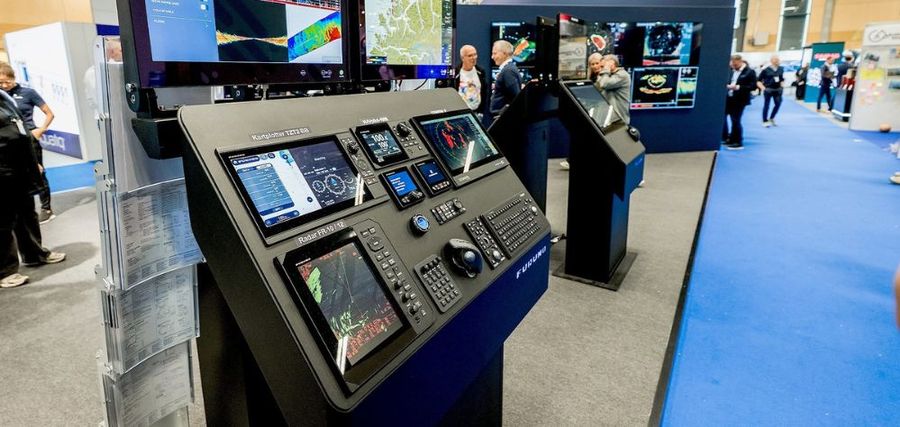
The underlying theme is integration. Where boats once carried separate electronic systems – chartplotter, radar, sonar, autopilot, engines, batteries, communications – engineers are now focused on how closely those systems can work together.
GPS-independent navigation is one of the more concrete developments. French company Sodern will present Astradia, a star tracker capable of detecting stars during both day and night as a means of autonomous navigation without satellite positioning. STARNAV describes its work as developing autonomous navigation for environments where conventional systems may be compromised.
Both demonstrate significant engineering effort going into navigation redundancy.
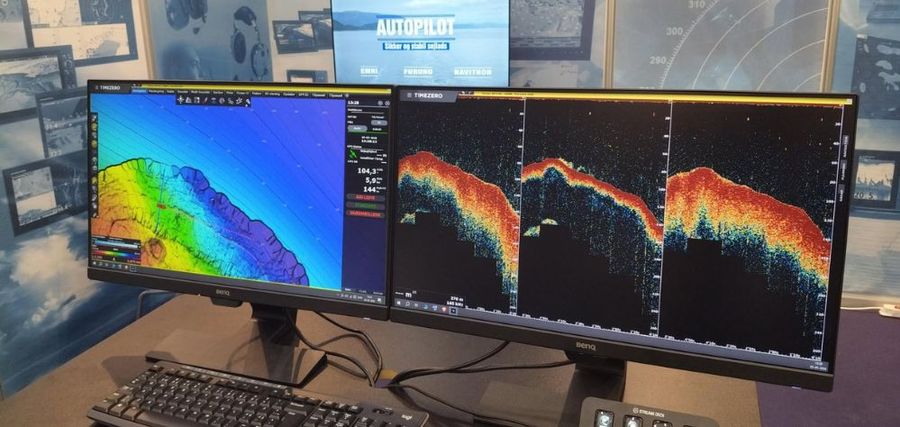
New Zealand's WASSP will exhibit its real-time multibeam sonar technology, which collects information across a wider area than conventional single-beam sounders. The more significant trend is sensor fusion – combining underwater imaging with radar, AIS, cameras, charts and satellite data to create a more complete picture. EURONAVAL's 2026 programme specifically identifies artificial intelligence, connected systems and multi-sensor data fusion among its key technology themes.
Autonomous systems are advancing through exhibitors including Netherlands-based Speeder Systems, which is combining unmanned surface vessels with unmanned aircraft, and British company Subsea Craft, developing what it calls optionally manned maritime systems – vessels designed from the outset around control systems that do not always require someone physically aboard.
The same integration is reaching the machinery space. French exhibitor SWITCH specialises in electric and hybrid marine propulsion and lithium batteries, while Wärtsilä and Twin Disc will show propulsion and vessel systems. Electric and hybrid propulsion makes software particularly critical, as power must be generated, stored and distributed efficiently across batteries, generators and onboard electrical loads.
The direction emerging is not simply more electronics onboard boats, but the gradual removal of boundaries between them. Navigation knows what sensors can see. Control systems know where the boat needs to go. Propulsion systems know how much energy is available. The skipper remains in charge, but increasingly the boat may handle more of the work underneath.