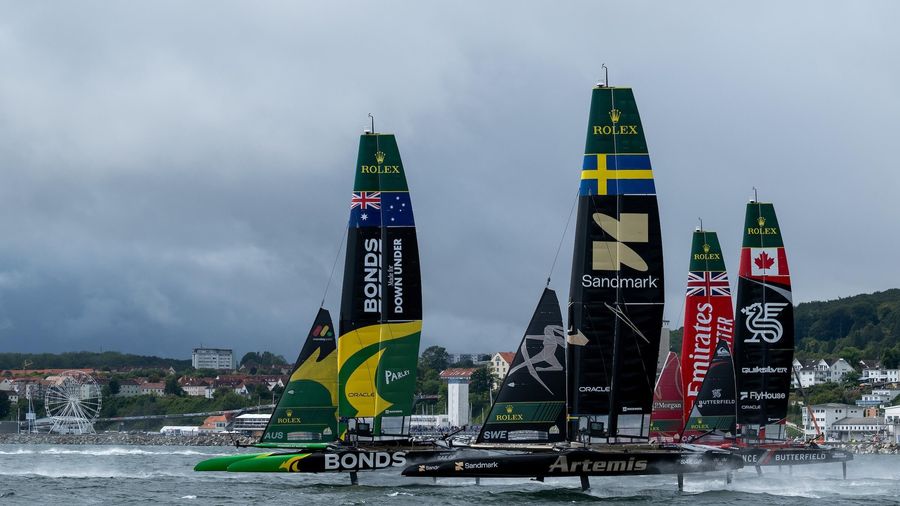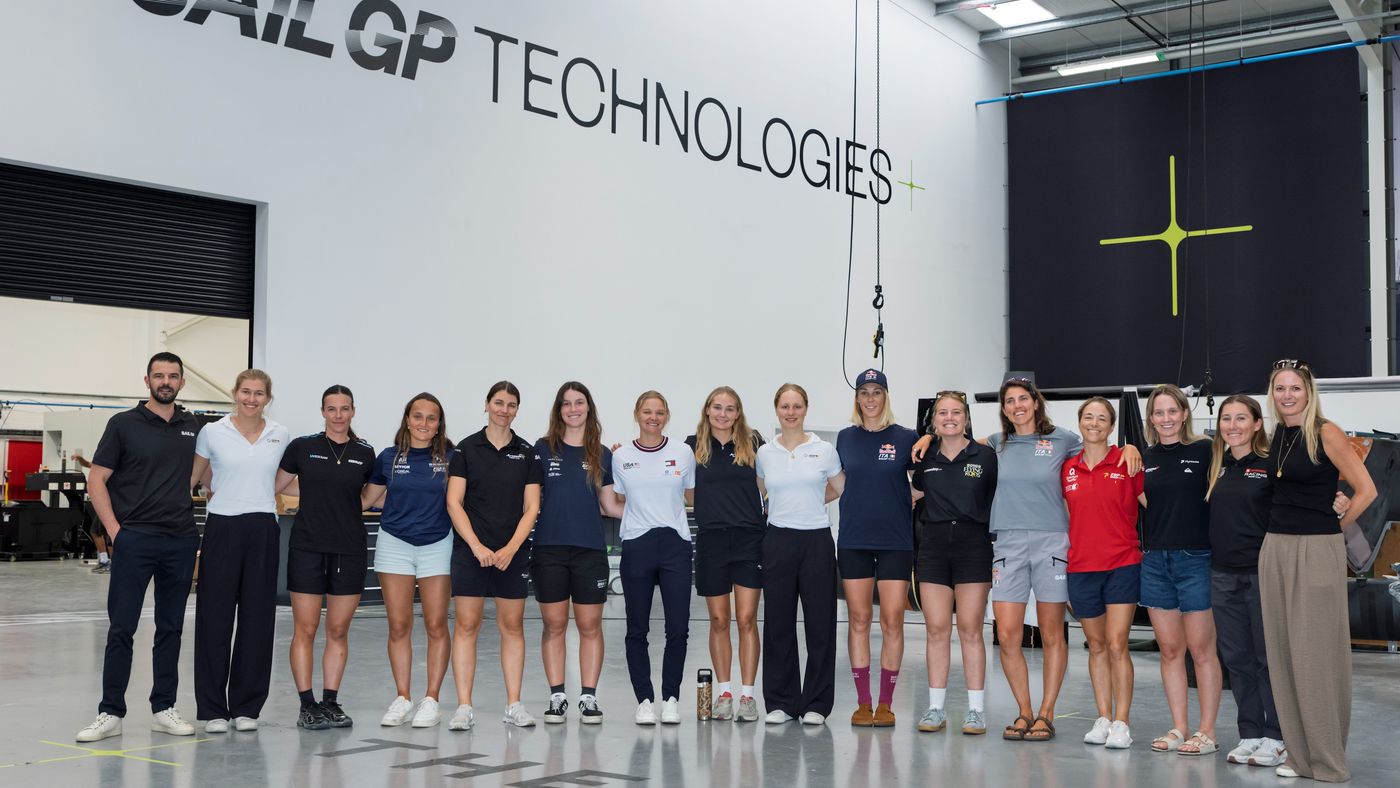
Eighteen women who normally race on the water spent a full day in the simulator at SailGP Technologies ahead of the Emirates Great Britain Sail Grand Prix in Portsmouth. The goal was straightforward: close the experience gap, sharpen skills, and be ready when the opportunity to race an F50 arrives.
The group ranged from Olympic athletes to emerging talent. Every SailGP team now carries one female sailor, most in the strategist role introduced in the league's second season, but the women in SailGP's Women's Performance Program are aiming beyond that. They are training for wing trimmer, flight controller and driver roles, while reserve athletes develop the skills to step into the strategist position without missing a beat.
The 2025 season has already brought meaningful milestones. Martine Grael became the league's first female driver, racing for Mubadala Brazil, and Anna Weis joined the United States team as a full-time grinder.
The coaching lineup was serious. NorthStar coach Joe Glanfield and wing trimmer Paul Campbell-James were among those leading sessions. Campbell-James has spent over a decade trimming wingsails, having raced for China, Spain, the United States and Canada, and was sharing his techniques for working the sail around a race track. Black Foils strategist Liv Mackay worked closely with athletes in the strategist role, and New Zealand coaches Matt Stevens and Will McKenzie rounded out the team.
The logic behind simulator work is practical. An F50 is worth millions of dollars and a single mistake can end a race weekend before it starts. Many of the men now competing in SailGP had weeks of structured, progressive training when the league launched. That window largely closed. As Grael experienced, opportunities now tend to arrive suddenly, with little warning and no warm-up. The simulator is how these athletes manufacture the preparation that circumstance hasn't handed them.
Data was a significant part of the day's programme. For sailors moving across from Olympic or smaller foiling classes, SailGP's data environment is its own adjustment. The group worked with SailGP Data Analyst Jake Farren-Price, who walked them through the software used to analyse live and post-race performance, daily reports, and the key metrics used to benchmark and compare teams. Because performance data is shared across the league, athletes can study the world's best sailors directly, whether picking apart wing-trimming technique or examining strategic decisions made during racing.
At the end of the session, athletes fed their observations back into how the programme is structured. The Women's Performance Program is not a fixed product handed down from above. It is being shaped by the women inside it.
The 18 women who attended were Julia Gross and Felicia Fernstrom from Artemis, Mackay and Kate Stewart from Black Foils, Tash Bryant from Bonds Flying Roos, Margaux Billy from DS Automobiles Team France, Anna Barth and Victoria Schultheis from Germany Deutsche Bank, Marina Arndt from Mubadala Brazil, Annie Haegar and Ali Ten Hove from NorthStar, Kahena Kunze and Pearl Lattanzi from Rockwool Denmark, Victoria Travascio from Los Gallos, Jana Germani and Maelle Frascari from Red Bull Italy, and Weis and Louisa Nordstrom from the US SailGP Team.
The gap between what these women have access to and what their male counterparts were given at the start remains real. These athletes are not waiting for it to close on its own.