A long Labour Weekend kept the crew of the Auckland Police Eagle helicopter at full stretch, with two separate water incidents in Auckland testing their skills and, for those involved, proving the difference between a lucky escape and something far worse.
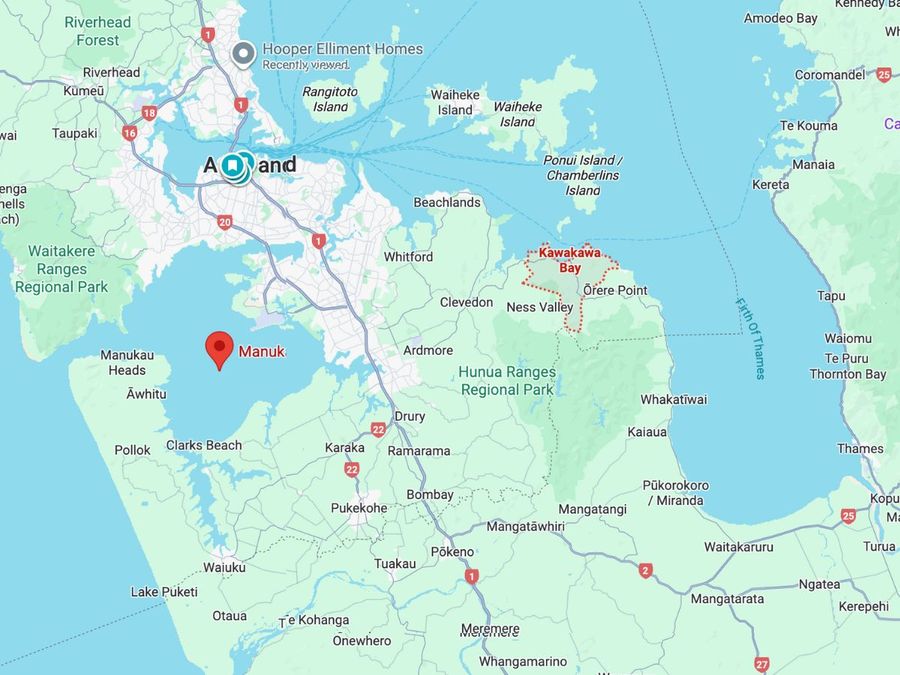
The first call came on Saturday evening. A boat had capsized near Kawakawa Bay, and two men were reported to be in the water. Senior Sergeant Garry Larsen of the Auckland Marine Rescue Centre confirmed neither man was wearing a lifejacket, and both appeared to be in distress. The helicopter reached the scene quickly, located the upturned vessel, and the crew soon established where the men had ended up.
"Eagle arrived on scene quickly, immediately located the capsized vessel and established that the two men had swum back to a secluded area of shoreline," said Larsen.
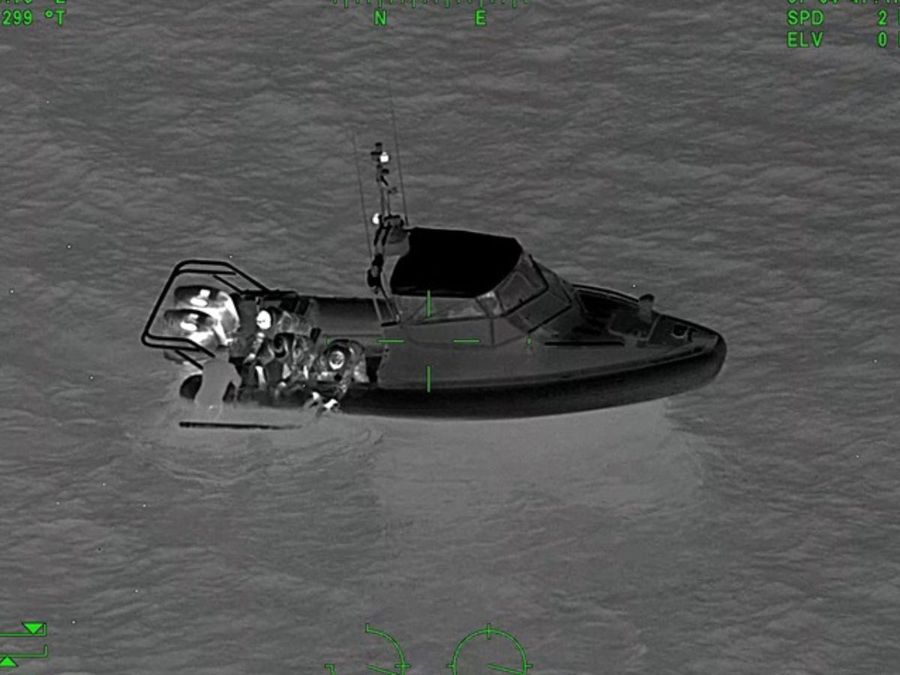
Both men were uninjured and managed to signal their whereabouts to rescuers. Larsen was candid about how differently things could have gone, calling it a "lucky outcome for both men and for our crews."
Barely an hour later, Police received a second distress call. A diver was reported missing in the Manukau Harbour, and the Eagle crew headed out again. They began working a shoreline search along the Awhitu Peninsula, and as the tide ran out, extended their sweep to take in the drying mudflats east of where the diver had last been seen.
After an hour of searching, a small but vital detail caught the pilot's eye.
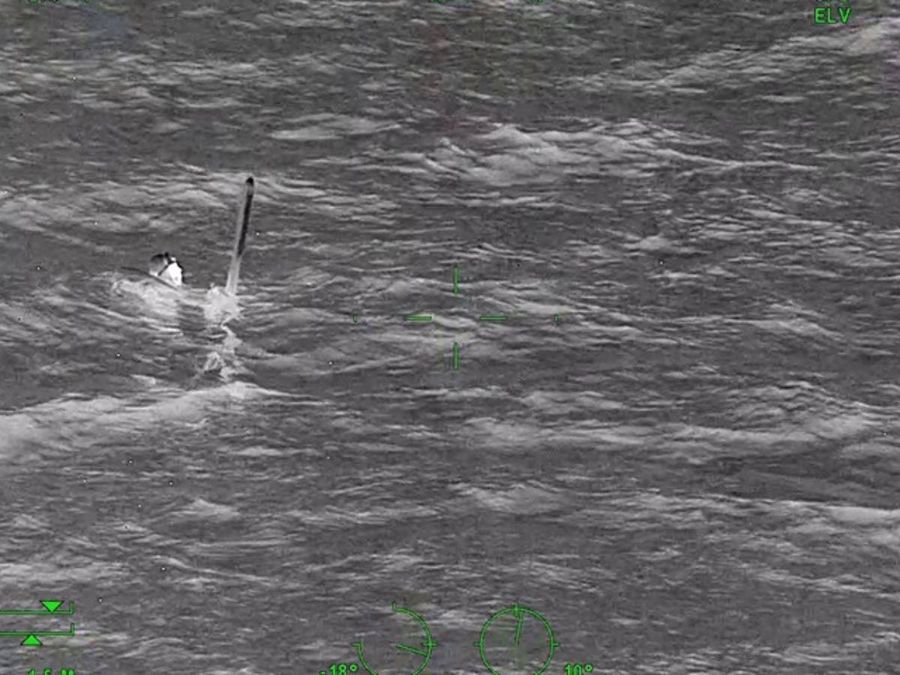
"After an hour of searching, the pilot saw a light flashing from the water," said Larsen. "They got overhead and confirmed it was the missing diver."
The helicopter held position above the diver while Coastguard vessels were guided in to make the recovery. He was brought aboard cold but otherwise unharmed. The timing was critical. As Larsen put it: "Without locating him before nightfall, the search would have become increasingly difficult and the likelihood of finding him would have decreased."
The two incidents together serve as a pointed reminder of what can go wrong on the water in a very short space of time. With warmer weather drawing more people onto the water, Larsen urged water users to take their preparation seriously before they launch.
"This is a great example of the exceptional work our Eagle crew does day in and day out," he said. "But it's also a timely reminder for water users to make sure they are ready before launching."
Police are recommending that boaties and divers run through a basic checklist before every trip: inspect your boat or kayak, test your VHF radio and waterproof your phone, check the marine forecast and tidal conditions, and always wear a lifejacket. Carrying flares, extra clothing, and emergency supplies is strongly advised, as is telling someone your intended route and your expected return time. For those heading beyond coastal waters, an EPIRB or PLB is considered essential.
Anyone who gets into difficulty on the water should call 111 without delay.