Electric racing is gaining momentum at a pace few would have predicted when the series launched. The UIM E1 World Championship presented by PIF is taking its all-electric format to four continents in 2026, with eight races across some of the world's most celebrated coastal destinations and a brand-new finale in the Caribbean. For a series still in its early years, the scale of the calendar signals a striking level of ambition.
The season opens in Jeddah, Saudi Arabia, a city that delivered one of the Championship's strongest events the previous year. The fast coastal course makes it a natural choice to set the tone for a campaign built around speed, competition and growing global interest.
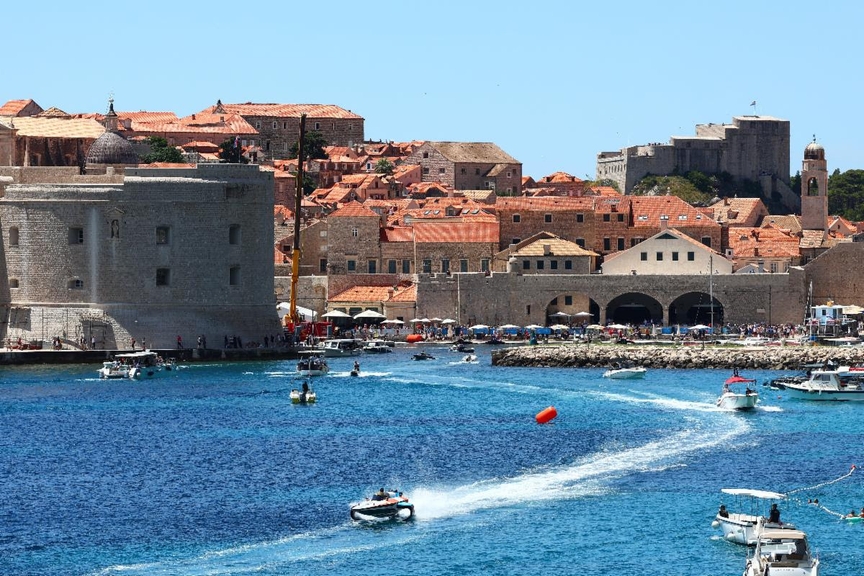
Europe then takes centre stage for a three-race stretch that few sporting calendars could match for variety. Lake Como hosts the April round, its mountain-framed waters providing one of the most striking backdrops in professional racing. June brings the Championship to Dubrovnik, where the tight coastal layout places a premium on precision, asking teams to combine the instincts of river racers with open-water pace. Monaco follows in July, bringing with it a storyline the principality's own fans have been waiting for. Team Monaco will compete in front of a home crowd for the very first time, in a city where fast boats and high performance are part of daily life. A further European round is pencilled in for September, with series organisers pointing to a coastal venue of strong maritime heritage, though full details are yet to be confirmed.
October marks E1's return to Africa. Lagos drew record crowds and produced the loudest atmosphere of the 2025 season, showing convincingly that electric racing carries the same raw energy as any conventional marine sport when a passionate community gets behind it.
From West Africa the Championship crosses the Atlantic. Miami hosts the North American leg in November, giving the series its second United States race and underlining how quickly the sport has taken hold in that market.
The destination closing out the 2026 campaign sets a new geographic milestone for E1. The Bahamas will host the season finale, marking the first time the Championship has raced in the Caribbean. Clear water, a culture built around the sea and a genuine alignment with E1's commitment to sustainable boating technology make it a fitting stage for the sport's biggest event of the year.
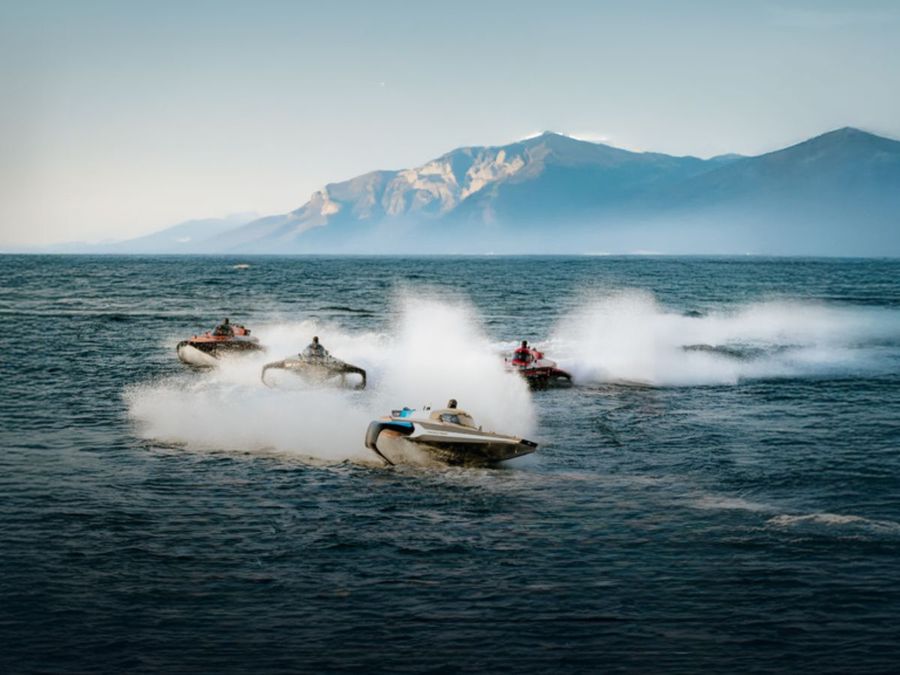
Throughout the season the RaceBird fleet continues to mature as a piece of engineering. Each iteration brings improved efficiency, better lift and higher top speeds. In calm conditions the RaceBirds fly cleanly clear of the surface; when the sea state builds, they settle into a composed, bow-forward attitude that reflects the sophistication of the platform. The boats are designed to show what marine propulsion could look like in the decades ahead.
The Championship's roster of celebrity team owners remains one of its most effective drawcards. Tom Brady, LeBron James, Rafael Nadal, Will Smith and Steve Aoki have each brought fresh audiences to electric racing, expanding the sport's reach well beyond traditional marine followers and directing wider attention toward the technology underpinning it.
Alejandro Agag, Founder and Chairman of Formula E, Extreme H and E1, frames the 2026 calendar as evidence of the series' upward trajectory. "We are building a global Championship that brings cutting edge electric innovation to iconic coastal cities and new markets. With strong support from our team owners, we are bringing the thrill of high speed racing on water to fans around the world."
E1 CEO Rodi Basso points to a larger ambition sitting behind the competition itself. "Our vision has always been to inspire change through performance. Each season proves that electric marine mobility is the future, and that sport can drive that change."
The 2026 schedule is the clearest expression yet of what E1 is working to build: a racing Championship defined as much by coastal communities and sustainable technology as by outright speed. With broadcast coverage now reaching more than 140 territories, the series is carving out a distinctive and increasingly prominent place on the international sporting calendar.