Stefan Fristedt has spent years as the financial architect behind Dometic's recovery, and when he announced his resignation as Chief Financial Officer on 31 October 2025, the company he was leaving behind looked markedly healthier than the one he had helped steer through its roughest patch. His departure, effective at the end of April 2026, arrives not as a response to difficulty but as a natural close to a chapter defined by measurable progress.
The announcement came just one week after Dometic published its third-quarter results, and the proximity was telling. Rather than concealing a stumble, the timing aligned his exit with clear evidence of the company's restored momentum. The Q3 report recorded an EBITA margin of 10.4 percent, a substantial lift on the 8.6 percent posted in the same period the previous year, alongside better cash flow and meaningful debt reduction. President and CEO Juan Vargues was direct in his acknowledgement: "I would like to thank Stefan Fristedt for his dedication and substantial contributions to Dometic's development," crediting the outgoing CFO with driving both strategic restructuring and growth initiatives across the business.
The financial turnaround Fristedt oversaw was achieved against a difficult backdrop. A Global Restructuring Programme simplified the company's operations, trimmed debt and lifted profitability even as consumer demand stayed soft and input costs remained elevated. Third-quarter revenue fell 13 percent year-on-year to SEK 4.9 billion, yet the margin expansion demonstrated that discipline in cost control and careful investment choices had more than compensated for lower volumes.
For those following the leisure-marine sector, Dometic's Marine segment offered one of the more encouraging signals in the report. It recorded 1 percent organic growth, its first positive result across several consecutive quarters, with both the OEM channel and the Service & Aftermarket channel contributing to that recovery. The result hints that the extended downturn in global leisure-marine demand may be beginning to ease.
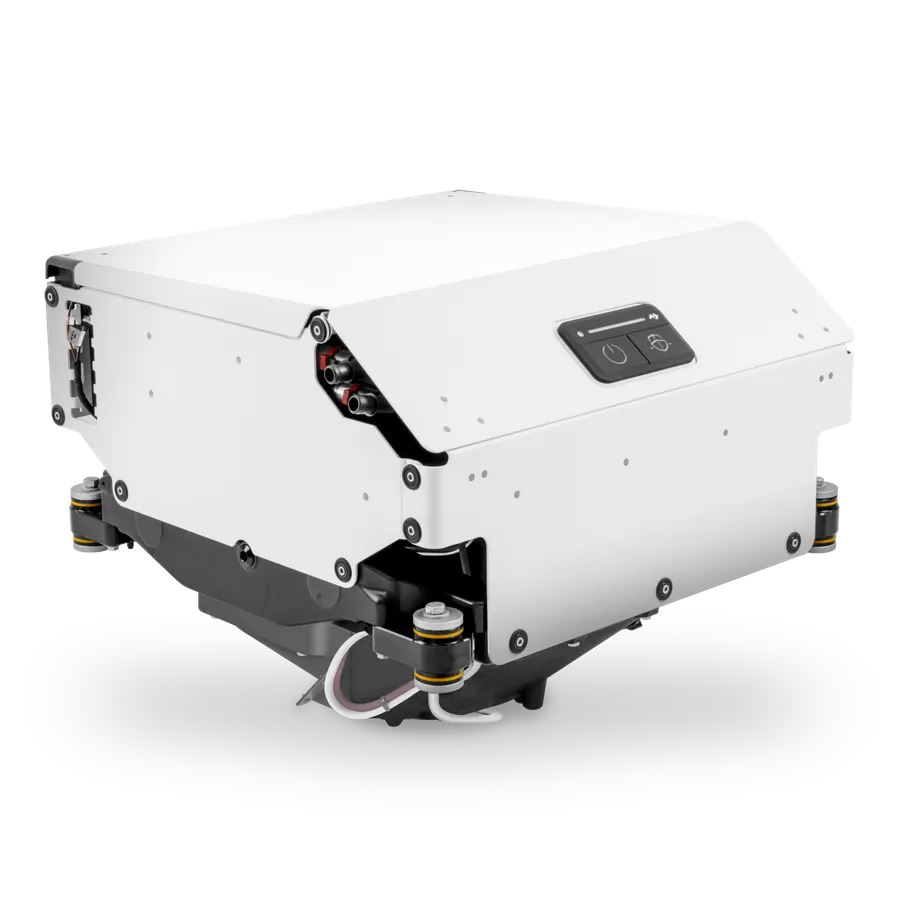
Dometic's marine product pipeline reinforces the sense that the company has not simply cut its way to better numbers. The Dometic DG3 Gyro boat stabiliser, suitable for both new builds and retrofit applications, is expected to sustain momentum through the coming year. The Recon series of mobile cooling systems, which collected international product awards in 2025, adds further weight to a portfolio developed and maintained through a period when many competitors pulled back on new product investment. Fristedt's insistence on cash discipline created the headroom to keep that pipeline moving even when volumes were under pressure.
The six-month notice period Fristedt has given is a practical gesture towards continuity. It carries the business through its year-end reporting obligations and into the 2026 budgeting cycle before the handover takes place. Dometic has begun searching for his successor, and Fristedt remains fully in role throughout that process.
Juan Vargues has framed the period ahead with confidence: "The long-term trends in mobile living remain strong, and Dometic is in a prime position to deliver on its targets."
From a boating-industry perspective, Dometic's latest quarter points to a business that has done the hard work and is now positioned to grow. Reduced leverage, improving margins, and a Marine segment returning to positive territory all point in the same direction. For New Zealand dealers and boatbuilders who rely on Dometic's refrigeration, power, and stabilisation systems, that financial stability carries a practical meaning: a supplier with the resources and resolve to maintain consistent product supply and support into the years ahead.