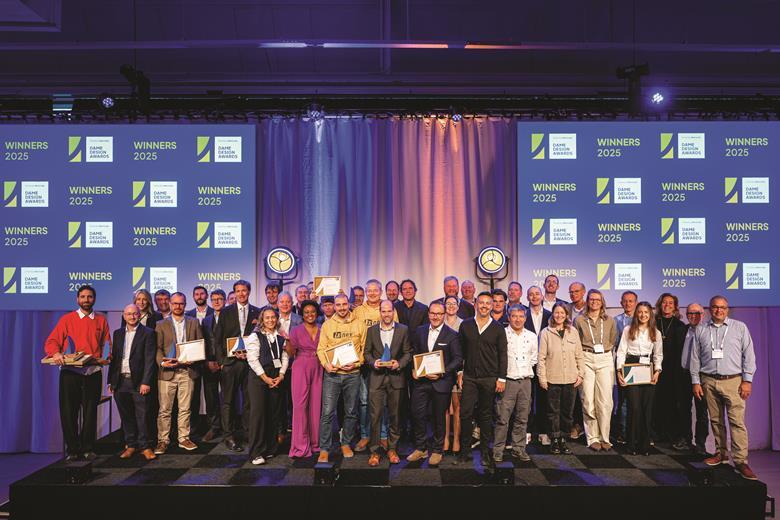
Four years into the decade, the marine design world is showing genuine energy. Nowhere was that more evident than at the DAME Awards, which drew a record 146 entries and 67 shortlisted nominees, the largest field since 2016. Across propulsion, electronics, comfort, and safety systems, the competition surfaced both careful, incremental progress and some genuinely bold ideas. Intelligent thinking, user-centred design, and sustainability were the threads connecting the strongest contenders.
Yet one product cut through the noise more convincingly than any other.
Sloveian manufacturer LXNAV has long earned its reputation in aviation instrumentation. Applying that heritage to the marine market, the company produced the E360 Round Chartplotter, and the DAME Awards jury kept returning to it. For all the strong competition across nearly every category, the E360 ultimately claimed the overall prize.
At its core, the E360 is a 4-inch multi-function touchscreen in a compact, round housing, but the specification goes well beyond the format. NMEA 2000 data, OpenSeaMap charting, Navionics compatibility, GPS, Wi-Fi, and Fusion audio control are all integrated, alongside a high degree of user customisation and alert logic, sealed to IPX6. An optional car-style jog-wheel controller provides simple tactile input for those who prefer physical controls. The jury singled out the interface's crispness and responsiveness, and praised the coherence with which cross-industry thinking from aviation had been brought into a small-boat context.
Acting jury chair Patrick Hemp, stepping in for long-standing chair Andre Hoek, summed up the panel's thinking plainly. "This was a year of very tight competition," he said. "But we kept returning to the E360. It represents a fresh way of thinking about small-boat instrumentation, and it just works."
Eight category winners were named alongside the overall prize, together covering a wide sweep of the boating world.
In Propulsion and Dynamics, Dometic's DG3 Gyro took top honours. A compact stabilisation solution designed for smaller vessels, it brings the kind of comfort previously associated with superyachts within far broader reach. The Electronic and Electrical Systems category was won by the Simarine SAC15R smart AC distribution unit, recognising the growing centrality of connected, efficient power management aboard modern boats.
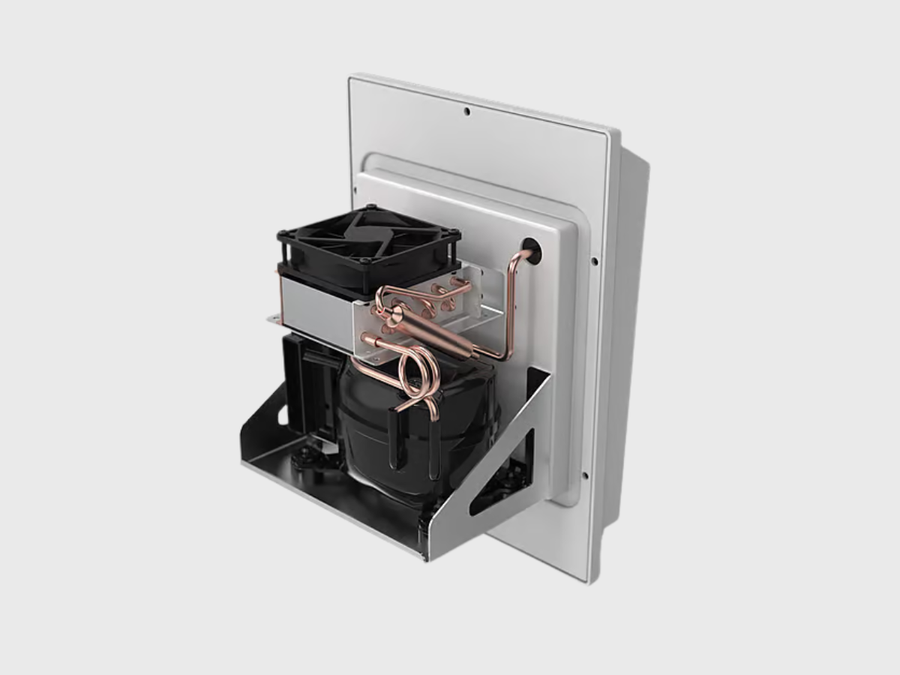
Safety and Security went to Garmin's OnBoard System, reflecting how integrated, connected monitoring has moved from the margins to the mainstream of contemporary boating. FLIR's Ocean Scout Pro claimed Personal Equipment with its advanced handheld thermal imaging platform, while Dometic's CSX Refrigeration System led the Onboard Comfort category, pointing to the wider shift toward high-efficiency, energy-conscious living systems.
Softstep by ONE Palma won in Deck Equipment, a modular solution that functions as both a step and a workstation. Manufacturing and Support Products went to Supersede Marine Board, a durable marine sheathing material produced from recycled plastic. Taken together, these winners illustrate a design culture that now reaches across vessel types, from trailer boats and compact tenders to hybrid multihulls and large production cruisers.
Sustainability ran as a strong undercurrent through this year's entries, and two products claimed the Environmental Design Award in recognition of it. ONE Palma's IFS Multi Tradewind Sail, a high-performance sail material developed with a lower lifecycle impact, shared the award with Digital Yacht's BILGE IQ, a smart bilge monitoring system capable of detecting leaks early and helping to prevent environmental harm.
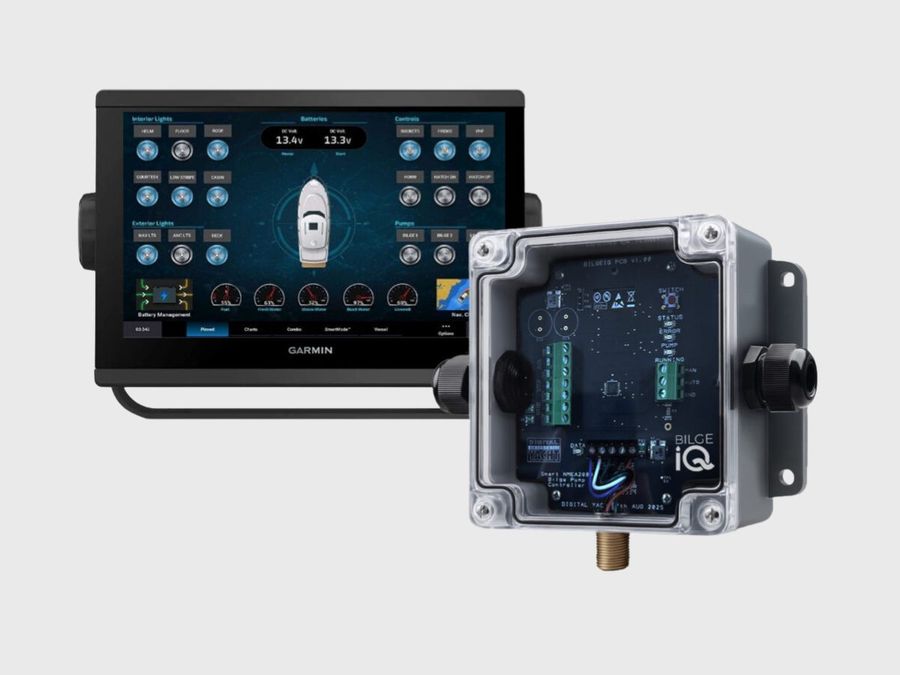
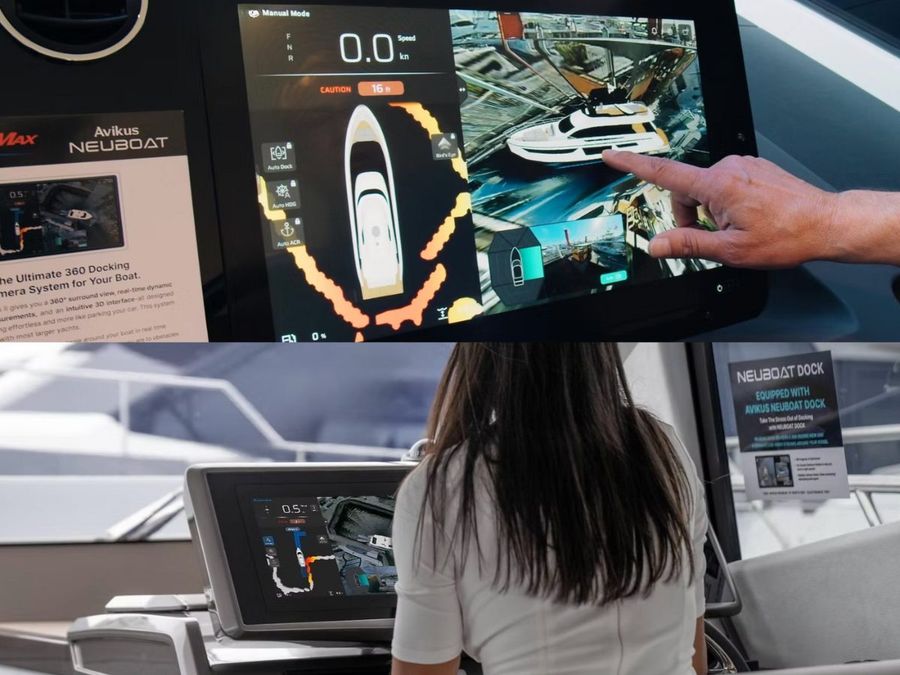
Eighteen products received Special Mentions, a group that included smart charging systems, sustainable interior materials, and next-generation navigation aids such as SEA.AI's WATCHKEEPER and Avikus NEUBOAT Dock II. Several of those recognised were startup exhibitors at METSTRADE, a sign that fresh ideas are increasingly coming from agile newcomers alongside the established names of the marine industry.
At the awards breakfast, Hemp offered a broader reflection on what the jury had observed across the full field of entries. "There's clear evidence the industry isn't content with the status quo," he said. "We saw many designs where manufacturers are actively simplifying user experience, minimising energy use, and transferring high-tech ideas from the superyacht and aviation sectors into affordable, everyday marine gear."
The panel was equally struck by how many companies are focused on targeted, iterative improvement rather than wholesale reinvention. "It's not about reinventing everything," Hemp noted, "but about making smart, targeted advances that make boats better to own and easier to live aboard."
Entry fees from this year's competition raised a record €21,900 for the Ocean Conservation Trust. Those funds will go toward habitat restoration and ocean health initiatives, drawing a direct line between thoughtful marine design and the long-term wellbeing of the environment it operates in.