Portimão on Portugal's Algarve coast has spent the past week hosting the World Sailing Inclusion Championship, and the America's Cup has played a quietly significant part in its success.
Just before last year's inaugural World Sailing Inclusion Championships in Oman, the America's Cup pledged financial backing to strengthen the Paralympic re-inclusion bid. The effect has been considerable, allowing World Sailing to launch an International Development Programme bringing new nations into the sport through elite coaching, grants and support.
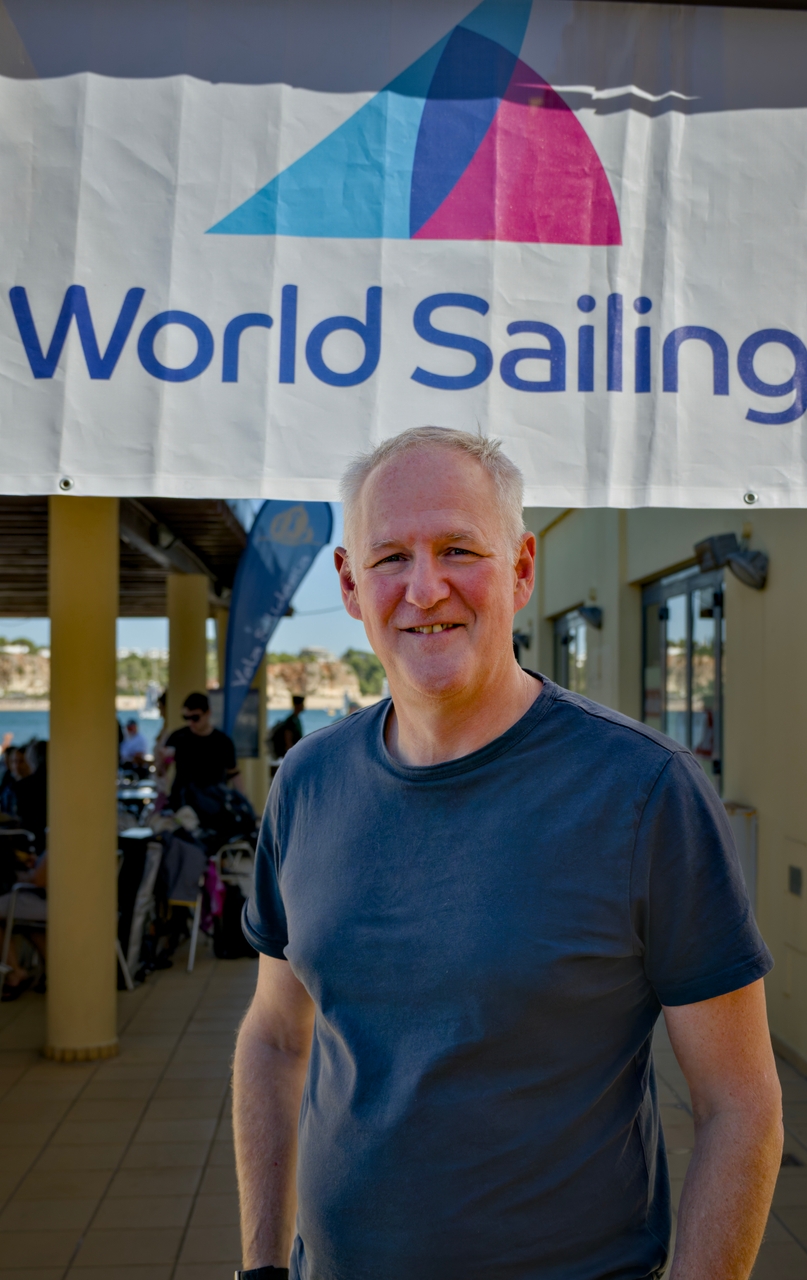
David Graham, Chief Executive of World Sailing, didn't hold back when asked about the funding's impact. "In essence, what we agreed with the America's Cup is that the World Sailing sanction fee is going to be used for social impact," he said. "Grant Dalton is passionate about para, and offered to do whatever he could to help, so we diverted those funds and had a global international development program where we were coaching para sailors around the world. That has had a positive impact on the amount of countries that we've got here. We have to hit 32 countries across the continents, and we've got 40 countries sailing here in Portimao."
"Without the Cup's funding we wouldn't have got that number, so it was very generous, and it was critical to our success," Graham continued. "Tomorrow, Leila Marquez Mota, the First Vice President in the IPC and number two after Andrew Parsons (IPC President) is coming here. For us, not only have we ticked all of the boxes, but we have ticked all of the boxes and some, from classification and us embracing the new IPC code, to writing our own code and working with them, plus the number of competing nations. The top of our sport is the America's Cup and to have the Cup shoulder to shoulder with us, is really, really helpful. It's not a given we're getting back into the Paralympic Games, but we've ticked all of the boxes, and now it's over to the decision-makers."
Grant Dalton, CEO of Emirates Team New Zealand and Chairman of the America's Cup Partnership, responded in kind.
"Seeing so many para-athletes and new nations competing in Portugal is exactly the positive impact that we had wished for," Dalton said. "Certainly, everyone involved in the America's Cup, and across the broader sailing and racing community, want to see sailing back in the Paralympics to light the pathways for para-athletes around the world. We are delighted with what David Graham and his excellent team at World Sailing have achieved to date and we will await the decision of the IPC with much interest."
For a New Zealand audience, Dalton's involvement adds a direct local thread to what is otherwise a European story. Emirates Team New Zealand's chief executive steering funding toward Paralympic reinstatement is the kind of behind-the-scenes work that rarely gets noticed back home, but it's worth recognising.
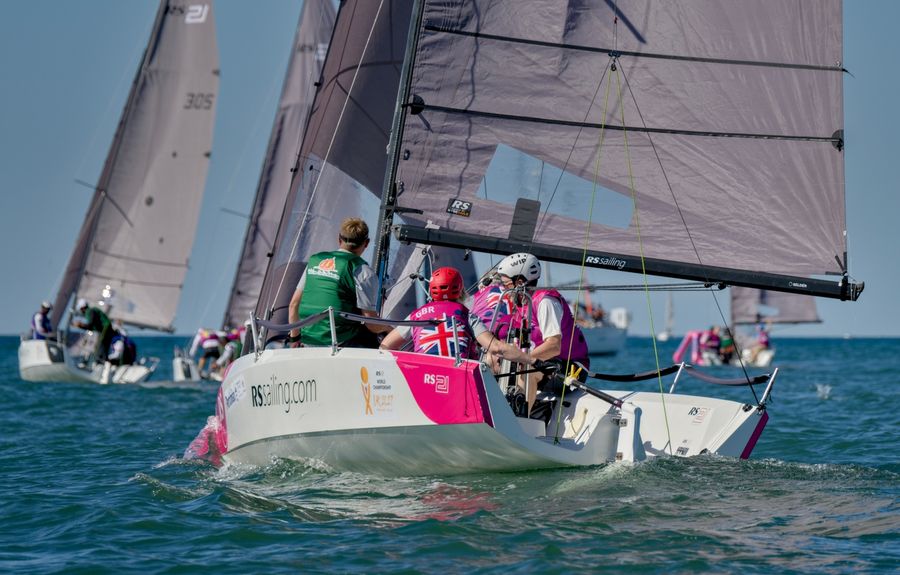
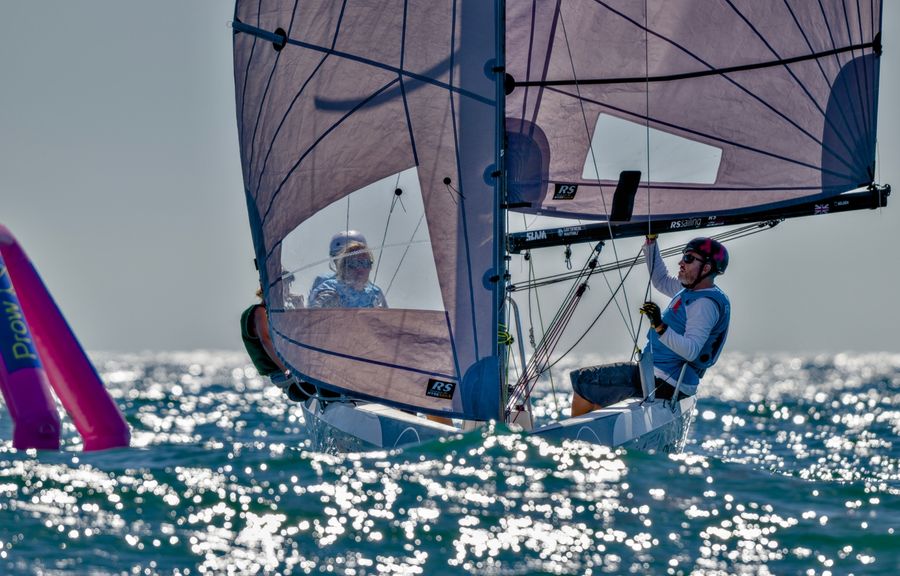
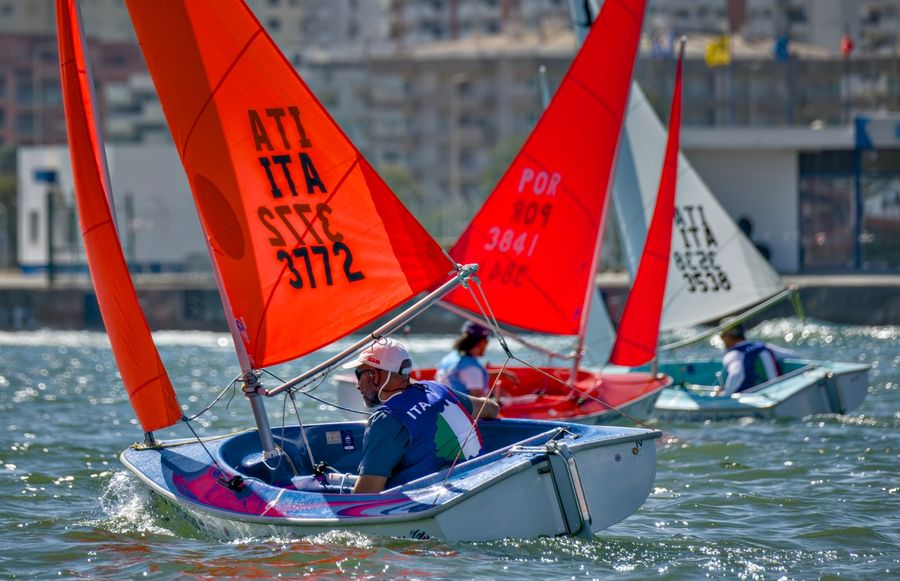
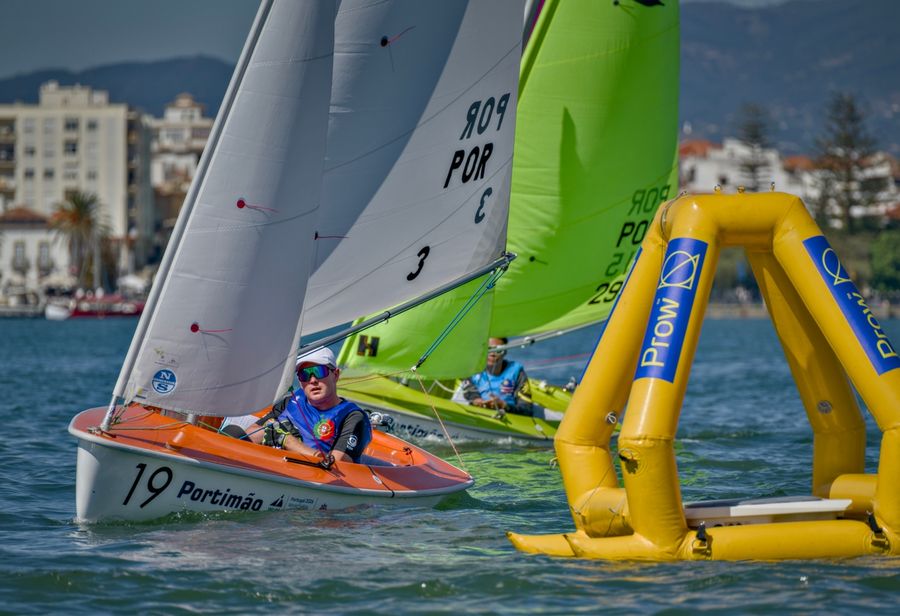
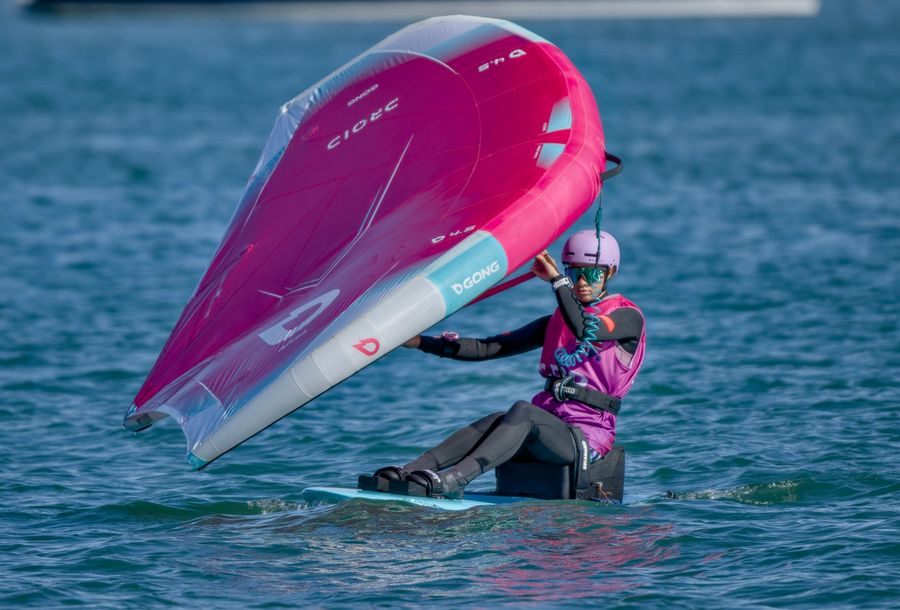
On the water, the racing has been tight and of the highest quality, with superb boat-handling and racecraft across the fleets, from the RS21 through the Hansa 303, RS Venture Connect, Challenger trimarans and 2.4 Metre classes. A wing foiling demonstration also proved popular.
The buzz around Portimão has been electric, with plenty of knowledge-sharing alongside cut-throat racing and big fleet tactics, all set within a regatta management framework being held up as a blueprint for the sport.
World Sailing has delivered something substantial here. Now it's over to the decision-makers.