By early 2013, Steve Raea had his sights set firmly on a Pacific crossing. His yacht Nereid was already in Mexico, crew arrangements were taking shape, and a shakedown sail across the Sea of Cortez felt like the sensible way to ease into the challenge of thousands of miles of open ocean. The sea, as it tends to, had other ideas.
Raea first set this account down in 2013. It captures offshore cruising as it was then: before Starlink, before weather-routing apps had become routine tools, at a time when self-reliance was simply something you factored into the plan. More than a decade later, the story still lands.
Part 1
|
Part 2
|
Part 3
Raea had come back aboard Nereid over Christmas, bringing with him two crew members, Stacey and Cherie, neither of whom had any offshore experience. The shakedown passage began gently. The sky was clear, the wind was absent, and whales moved unhurriedly around the boat. The Sea of Cortez, a narrow channel running roughly 1,000 miles between Baja California Sur and mainland Mexico, is renowned through the winter months for the sheer density of marine life it holds. Whales and whale sharks were present in numbers large enough to be a genuine hazard to passing vessels. The crew were charmed.
That mood had a limited shelf life.
As darkness came on, 30 knots of breeze built directly on the nose. Nereid began punching into the swell, lifting off one sea and slamming hard onto the back of the next. For two people who had never sailed beyond the horizon, the experience moved quickly from uncomfortable to frightening. The easy pleasure of the afternoon was finished.
Raea talked them through windward sailing. He explained that bearing away would ease the motion, but at a cost in ground made good. The explanation held for roughly an hour. As the last daylight went and the prospect of a full night in those conditions became concrete rather than theoretical, he recognised that a technical discussion was no longer equal to the moment.
A short conversation followed. Raea put a simple choice to both crew members: turn around, run back to Mazatlan with the wind behind them and the boat moving comfortably, then catch a flight to La Paz. The answer came back without hesitation. Both were absolutely in favour.
Deflated, but not unreasonable about it, he put the helm down, brought Nereid through the wind and steadied her on the return heading. Boat speed rose from six to nine knots as she picked up the three-metre swell and began to surf. The transformation in the crew was immediate and could be heard as much as seen.
The run home was not without its own dramas.
About an hour after turning around, the autopilot failed. With the wind square aft and conditions still building, putting either of the novice crew on the helm while he went below to investigate was not something he was prepared to do. Raea made the pragmatic call not to raise the subject.
By the time Mazatlan's lights appeared on the horizon, the wind had exceeded its forecast and the seas had grown shorter and steeper as the water shoaled. The marina entrance, ten miles north, was clearly out of the question. He shaped a course instead for the Old Harbor, a narrow channel he had used five years earlier and remembered as being well lit.
A mile short of the entrance, the mainsail had to come down. Someone needed to take the wheel.
Cherie put her hand up. Stacey took the reef lines in the cockpit. Raea started the engine, turned the bow up into the wind and made his way forward to the mast.
It proved harder than expected. Cherie struggled to keep the boat head to wind, repeatedly falling away and refilling the sail, rolling Nereid onto her beam ends. Raea got a rough bundle lashed to the boom, secured the sail and was working his way back to the cockpit when Nereid launched off a crest and fell heavily into the trough below. The noise from the cockpit was significant.
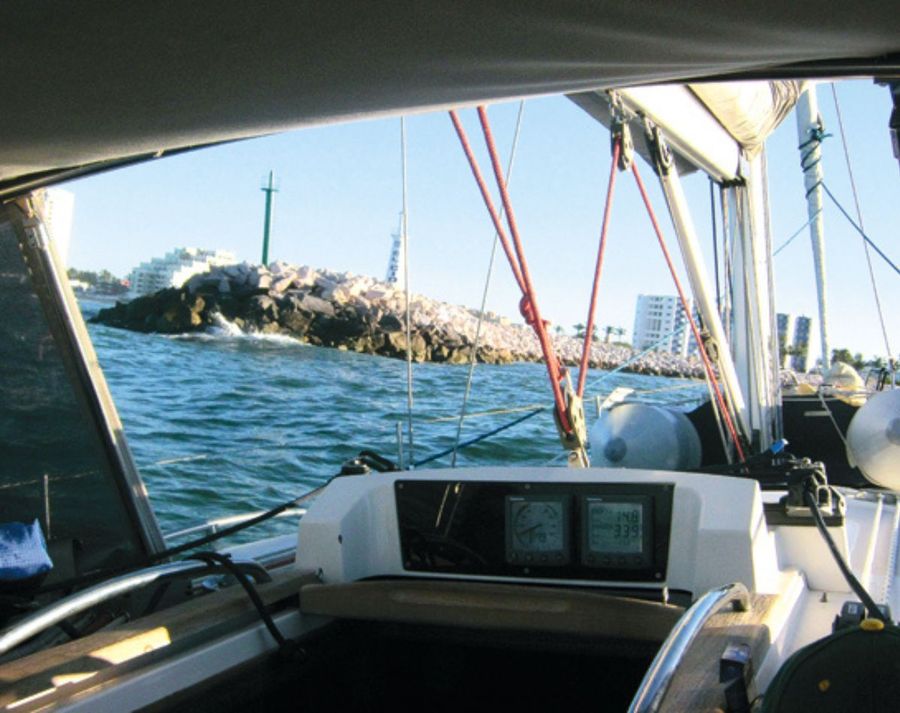
They motored through the entrance under bare poles, the boat rolling sharply in the quartering seas and gear breaking loose from lockers below. The leading marks came up in the darkness and Raea brought her around toward the breakwater. A few minutes later they were through into sheltered water. The anchor went down.
No account of how the crew felt in that moment needed to be written.
The vodka appeared. On this occasion, nobody declined.
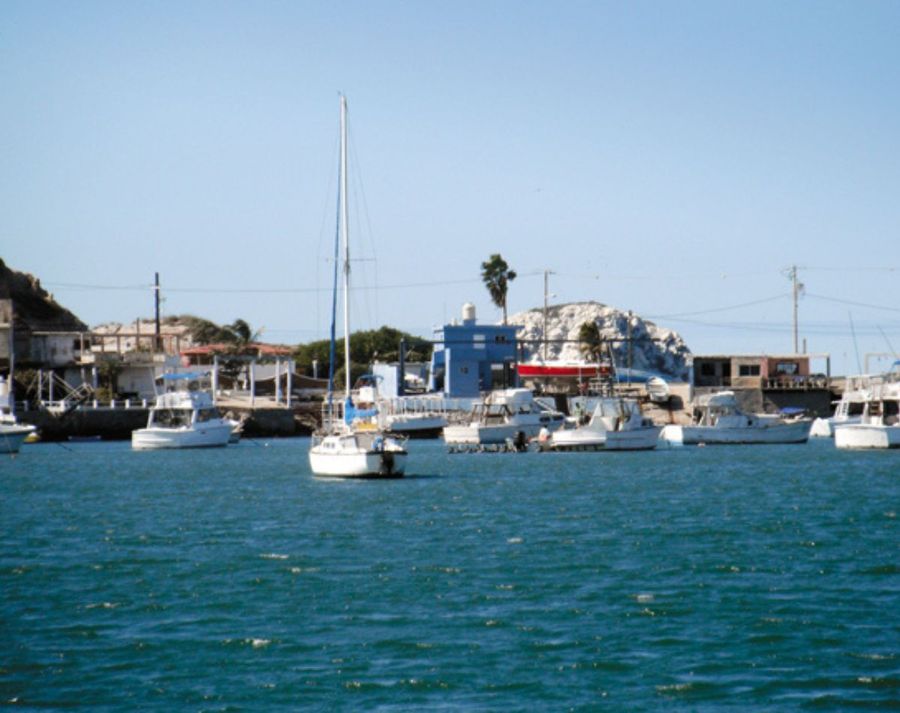
Mazatlan's Old Harbor is a working commercial port with few aesthetic qualities to recommend it. The water runs a muddy brown, raw sewage is a constant presence in the air, and panga fishing boats come and go at all hours, largely without lights. The small number of yachts anchored there tend to belong to experienced budget cruisers aboard well-worn vessels, and Raea noted that their company invariably proved worth having.
The same winds that had driven them in kept the marina entrance closed for three days. There was nothing to do but wait, watch the commercial traffic and let the conditions settle.
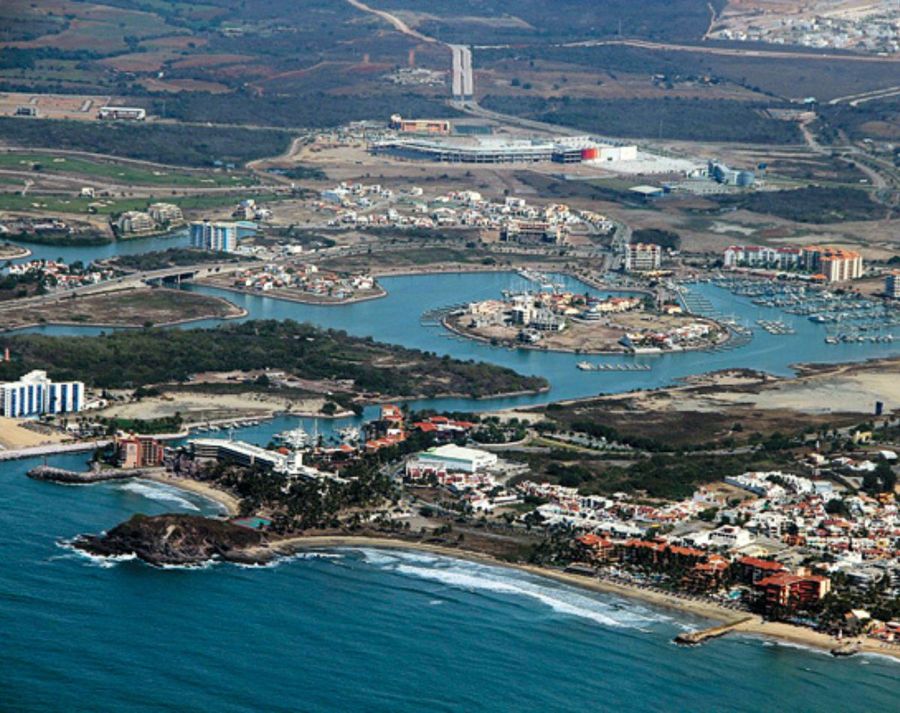
What had been planned as a two-day passage to La Paz took five days in total and covered fewer than ten miles of net distance. For Stacey, whose three weeks in Mexico had already run their course, there were no regrets. She flew to Los Angeles and then on to Auckland, never having reached the Baja, but carrying a story she would be telling for years.
Cherie concluded that surviving the whole affair had largely cured her of fear, and promptly located a local dentist, presenting herself for treatment she had been putting off at home. The assessment was sobering. Root canals, crowns, caps, veneers and specialist referrals accumulated into a treatment plan stretching well beyond ten days. The marina, agreeable enough in small doses, began to wear thin.
To fill the gaps between appointments, they booked a return flight to La Paz. The irony was not lost. Having sailed more than 200 miles specifically to avoid flying across the Cortez, Raea found himself aboard a single-engine Cessna for the 90-minute crossing. He had, by his own admission, a genuine fear of flying in anything smaller than a jumbo jet. He kissed the tarmac when the pilot put the plane down on the other side.
La Paz, home to around 250,000 people, was his favourite Baja destination after three visits. Less developed than Mazatlan and less oriented toward tourism, the city offered narrow paved streets, interesting old architecture and an esplanade looking out over the yacht harbour and distant islands.
They checked into a cheap hotel on the malecón. The daytime views were pleasant enough. After eleven at night, the local enthusiasm for music made sleep largely theoretical. Two nights of working through the surrounding bars eventually settled the question, and they moved to a traditional bed and breakfast three blocks away. A cat had claimed the bathroom sink as its permanent residence and appeared unconcerned by their arrival.
La Paz has long held a reputation among cruising sailors as a place that proves surprisingly difficult to leave. The marinas carry a settled population of retired American sailors living on pensions, a number of whom supplement their income by selling off gear from their boats. Raea took advantage of this informal market, picking up a second-hand SSB high-frequency radio for considerably less than its market value.
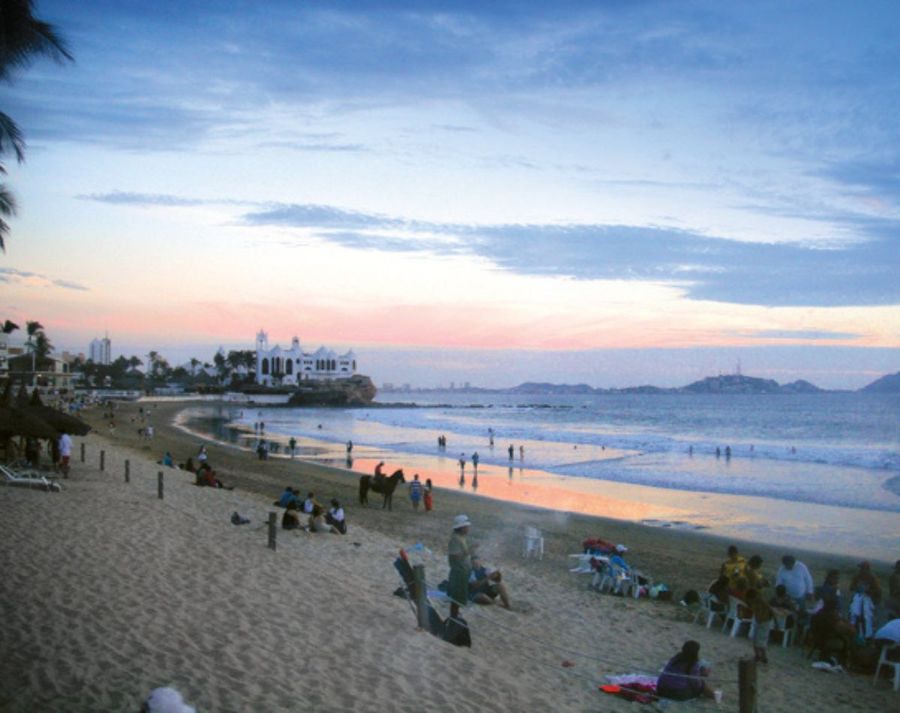
After four days of fish tacos, tequila, mariachi and dust, the return to Mazatlan for the final round of dental appointments could no longer be deferred.
With the dental work complete and Nereid ready to move, the plan called for a stop at Chacala, a small roadstead anchorage and village roughly 150 miles down the mainland coast, then on to San Blas, one of Mexico's oldest ports, before a final 50-mile leg into Puerto Vallarta and La Cruz. Puerto Vallarta would serve as the staging point for the passage proper. The Marquesas Islands lay 3,000 miles to the west, and a late April departure was the target.
The crew question, which had caused difficulties on previous voyages, had this time been resolved more successfully. Two offshore Auckland sailors had agreed to join Nereid as far as Tahiti. The adventure, and the inevitable misadventure, lay ahead.
This is the end of Part 2.
Part 1
|
Part 2
|
Part 3