Seven boats gathered off the Isle of Wight in September 1961 for something entirely new in powerboat racing. Sir Max Aitken, fired by his experience at the Miami–Nassau race, conceived what became the inaugural Daily Express Offshore Powerboat Race. Tommy Sopwith and Peter Du Cane were first to finish, crossing the line aboard Thunderbolt in just over four hours. The event generated immediate enthusiasm and gave rise to the British Powerboat Racing Club (BPRC), which continues to organise the race today under its current title, the Cowes International Powerboat Festival.
Both races that make up the festival are run by the BPRC, and each places its own particular demands on the crews.
The longer and more punishing of the two is the Cowes-Torquay-Cowes, open to BPRC Classes 120, 100, 80 and 60. The route leads out through the Solent, past the chalk-white Needles and into open water, then follows the southern English coastline through Portland Bill, Lyme Bay, Start Point, and Berry Head before rounding at Torquay and heading back to Cowes. The total distance is approximately 190 nautical miles, a figure that puts it in perspective: it is close to twice the distance from Gulf Harbour Marina to Fitzroy Harbour, Great Barrier Harbour. Shifting tides, unreliable weather, and the relentless mechanical battering of offshore conditions mean that simply finishing the Cowes-Torquay-Cowes is a genuine achievement, independent of where a crew places.
The second event, the Cowes-Poole-Cowes, is contested by BPRC Classes 75, 65 and 55 over a compact out-and-back route from Cowes to Poole, Dorset. At approximately 60 nautical miles, it is considerably shorter than its companion race, though still a meaningful test of skill and stamina. For context, the Cook Strait ferry crossing covers 52 nautical miles.
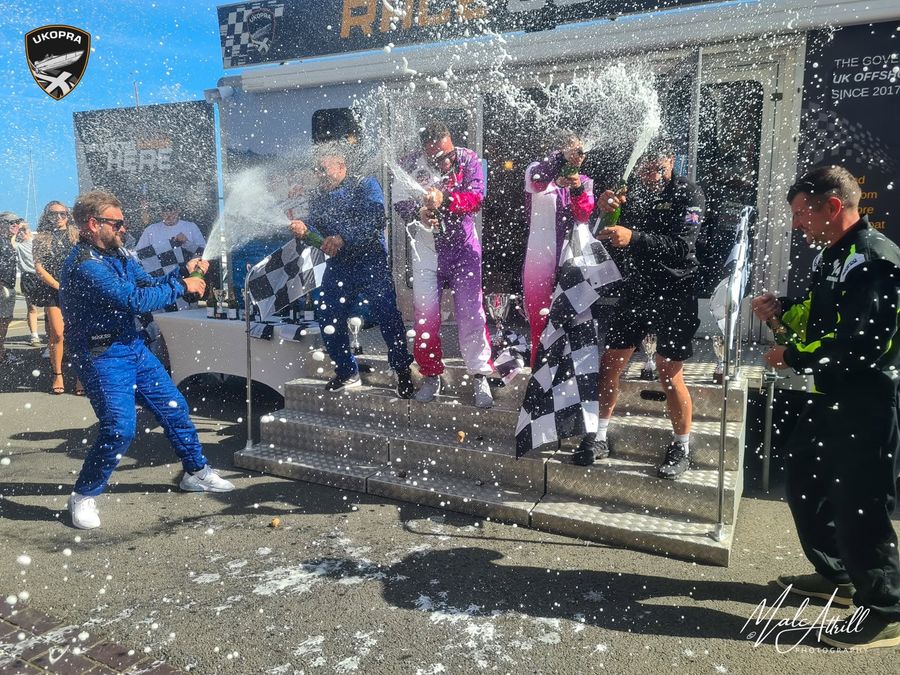
The trophies on offer across both events rank among the most sought-after in offshore powerboating. The Beaverbrook Trophy is awarded to the overall winners. The Montagu Trophy goes to the entry with the fastest average speed. The BPRC International Trophy recognises the leading international entry and is presented to the winner of the UIM BPRC Marathon World Cup, a series that incorporates both the Cowes 100 and Cowes-Torquay-Cowes courses. The Harmsworth Trophy, first presented in 1903 and only rarely awarded in the modern era, carries the full weight of the sport's earliest competitive history. These prizes together form a direct line between the crews racing now and the boatbuilders and competitors of earlier generations.
The roll of past winners is rich and varied. Tramontana prevailed in 1962, A'Speranziella brought the victory to Italy in 1963, and the record continues through Surfury, Miss Enfield II in 1970, and Kaama in 1978, driven by Betty Cook. Italian and American crews were dominant through much of the 1980s and 1990s, with Cinzano and Cesa 1882 among the names that gave the event genuine global standing. British success returned in 2018 when Drew Langdon and Miles Jennings steered Silverline to the top step, returning the Beaverbrook Trophy to home hands.
This weekend, both the Cowes-Torquay-Cowes and the Cowes-Poole-Cowes head out onto the English Channel once more, and the entry list at the front of the fleet makes for compelling reading.
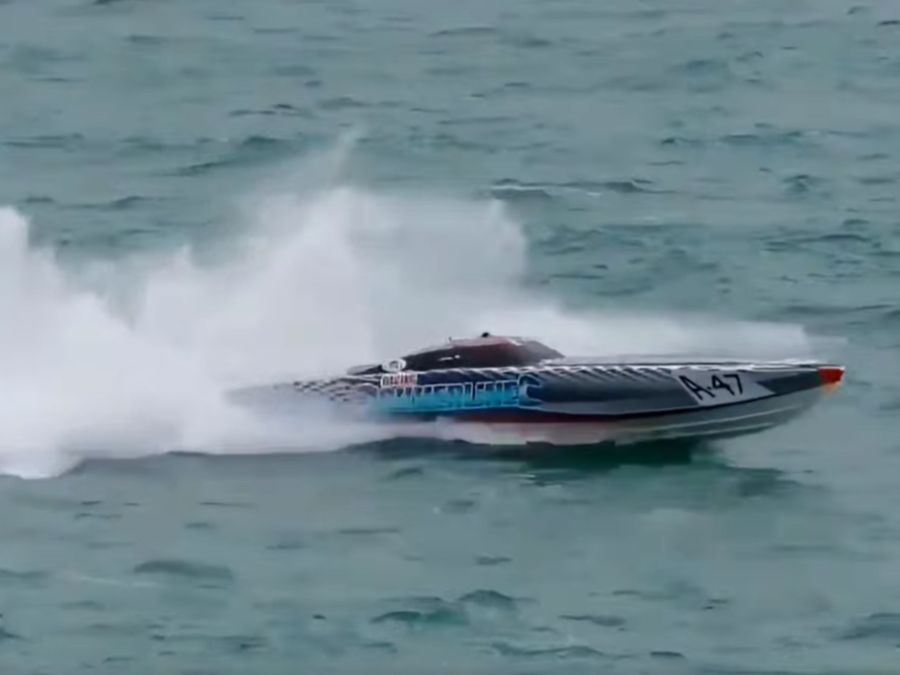
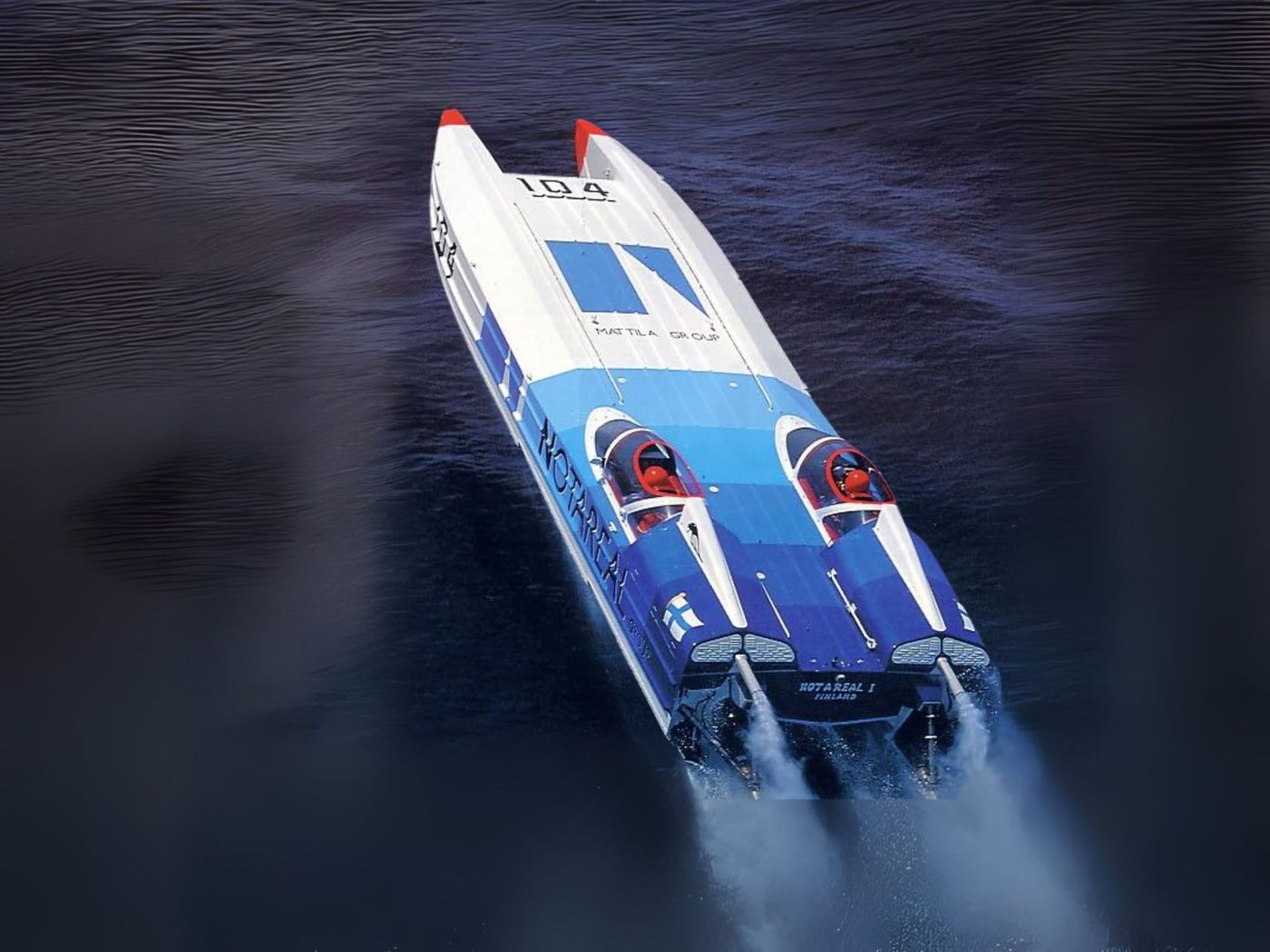
Class 120, where the speed ceiling sits at 120 mph and horsepower figures climb well above 1,500, is where the keenest contest will unfold. Silverline carries the heaviest expectations. Drew Langdon, a four-time winner with titles in 2018, 2019, 2021 and 2022, is back alongside co-driver Miles Jennings. Langdon set the course record of 2 hours 25 minutes in 2021, and the team remains the standard against which every other Class 120 entry measures itself.
Good Boy Vodka shapes as a genuine threat. Rob Lockyer of Britain joins Americans Alex Pratt and Shane Franks aboard a 52-foot Outerlimits, among the biggest and most powerful hulls in the whole fleet. The team retired in 2024 and will be looking to settle that account.
Dean Stoneman and Harry Thomas, who took victory last year in Laa Laa, are back on the water, now campaigning a Fountain 41-footer under the name Falcon Multispark. Their aim will be to show that last season's win was no one-off. Smokin' Aces, a Skater hull fitted with Mercury engines and helmed by Chris and James Dodge, adds further British weight to the front of the class. Ola and Peter Ostlund complete the international picture aboard Swedenalupowerboat, a 12.5-metre entry representing Scandinavian interests in Class 120.
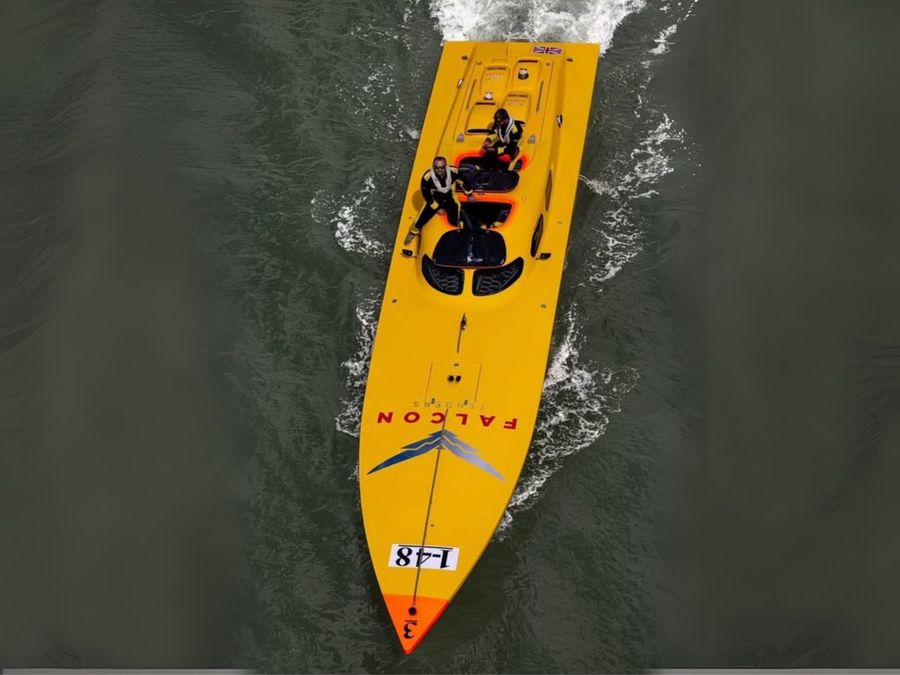
These Class 120 entries will race for line honours and for both the Beaverbrook and Montagu trophies, at speeds that push the boundaries of open-water performance.
Class 100 has its own competition to resolve, with Piston Broke and the heritage-tinged Dry Martini among the notable challengers, joined by the diesel-powered T25 Sunseeker. The smaller classes add their own character to the weekend, with Top Banana and Thunderstreak among the entries that keep the connection alive between today's racing and the classic offshore tradition.
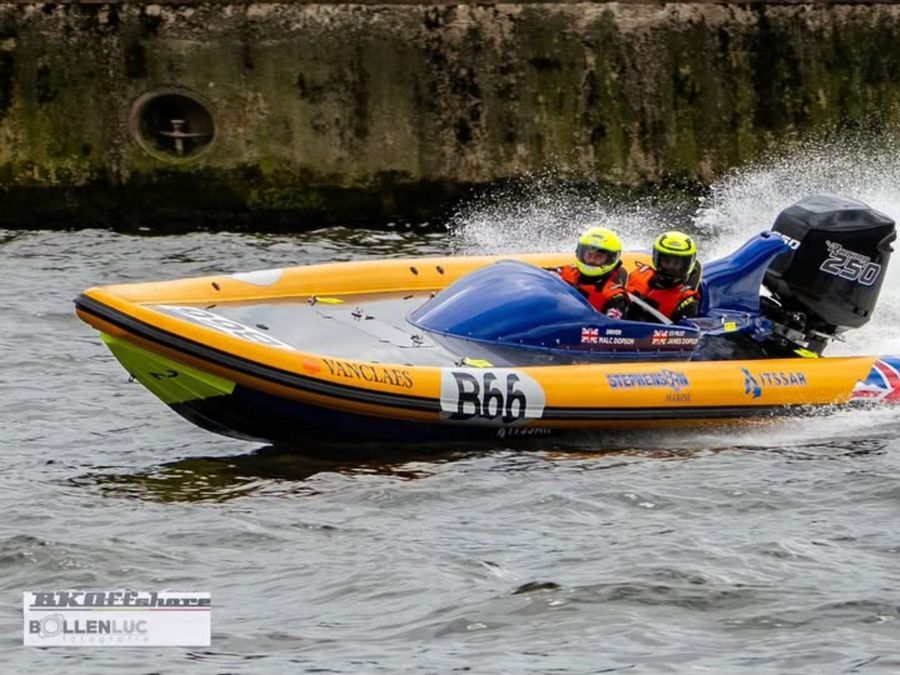
The 2025 edition carries all the prestige accumulated across more than six decades of competition. The Beaverbrook Trophy remains the primary target for every Class 120 crew, while the Montagu, International, and Harmsworth trophies give additional weight to the results across both events.
The course will offer no concessions. The Cowes-Torquay-Cowes demands approximately 190 nautical miles from every crew that lines up, and last year's race was a pointed reminder of how few entries reach the finish. Good Boy Vodka was among several boats that retired in 2024, and the high attrition that has characterised this race since Thunderbolt first won it in 1961 looks unlikely to ease. The weather this weekend may be cooperative, but machines and crew will still be pushed hard. Given the race's history, only a handful of starters will finish, and fewer still will earn a place on one of offshore powerboating's most storied honour rolls.