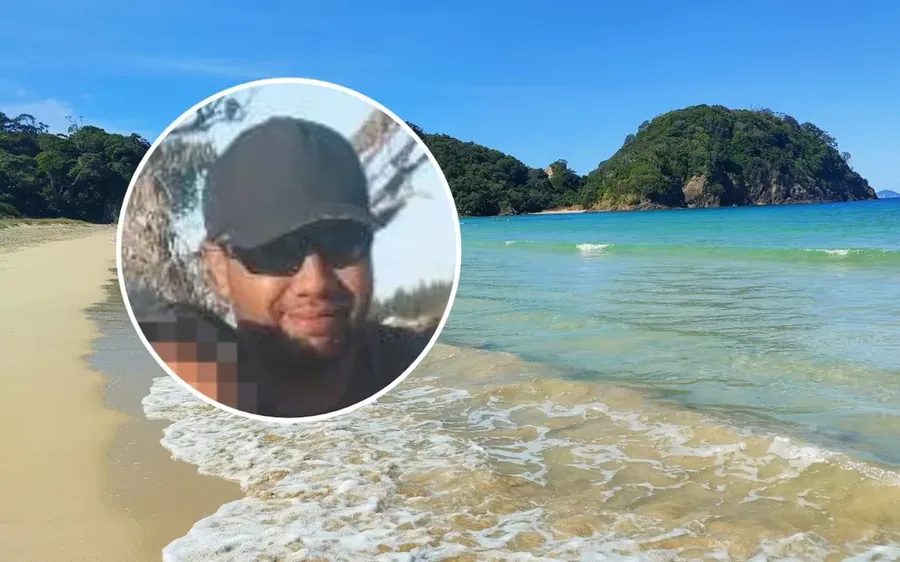
A 47-year-old man who spent a decade issuing customary seafood permits well outside his authorised boundaries has been handed a three-year prohibition order, stripping him of the right to take or permit the taking of seafood in any form.
Jonathan Moon appeared before the Whangārei District Court after the Ministry for Primary Industries sought to formally remove his permissions following a conviction at a judge-alone trial in July. That trial found him guilty of obstructing fisheries officers and possessing an underwater breathing apparatus, specifically a scuba tank. Judge Peter Davey had imposed a $1000 fine, but MPI's push for a prohibition order triggered a separate formal hearing, which took place on Wednesday.
The court heard that Moon's involvement as a customary permit issuer stretched back to 2013, when MPI formally registered him in the role. Under the ministry's framework, a tangata kaitiaki, or permit issuer, is elected by kaumātua from local hapū or marae to authorise and manage customary activities, including the taking of large quantities of seafood for events such as tangi or celebrations. Moon had been nominated to the role by his kaumātua following a hui held at Te Aranga Marae in Hastings, and the recognised rohe attached to his permit covered Te Tai Rāwhiti and Te Tai Hauāuru, the areas commonly known as the Gisborne and Taranaki West Coast region. He told the court he received formal MPI training and was issued a customary permit booklet upon acceptance into the role.
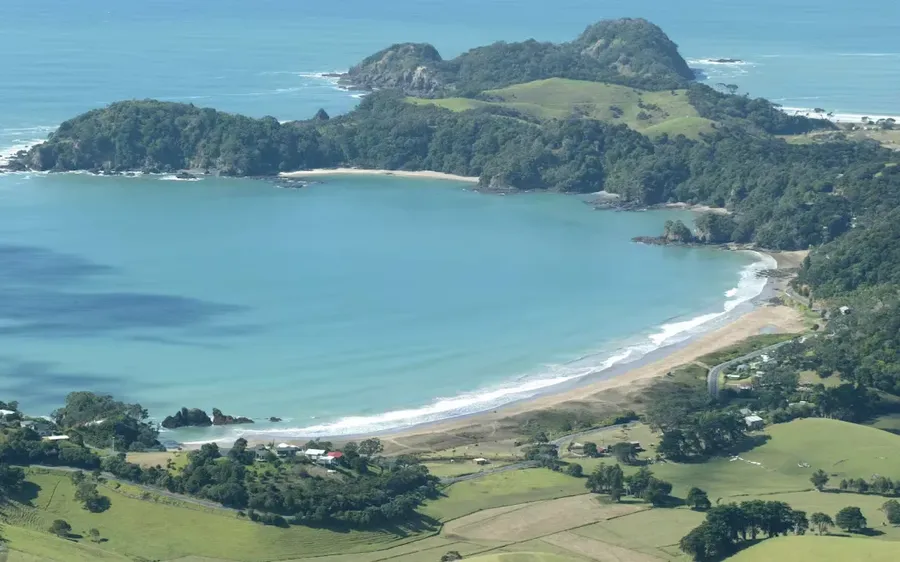
Despite that clearly defined rohe, Moon was found to have spent the past decade issuing permits for a Kaikohe marae and authorising the taking of seafood from the Matapōuri areas, neither of which fell within his authority. A successful MPI prosecution in 2017 had already put him on notice. Following that prosecution, Moon wrote to local hapū Te Whānau ā Rangiwhakaahua and Matapōuri Marae, acknowledging their mana moana and committing to abide by local processes going forward.
On 28 July 2023, Moon and another person surfaced at Woolleys Bay equipped with scuba gear and a catch bag. When MPI officers asked what the bag contained, Moon refused to answer. Judge Davey was satisfied on the evidence before the court that it held a large quantity of undersized pāua, which Moon had no authority to take.
Representing himself, Moon argued that Te Tai Rāwhiti and Te Tai Hauāuru encompassed the entire east and west coasts.
"These were not invented by me, they were set by kaumātua consistent with tikanga," he said. "At no stage from 2013 did MPI reject or challenge these rohe."
He added that he had only been provided the formal boundary disclosure a few weeks before the hearing, and placed responsibility for any confusion with MPI.
"If MPI now says my authority was wrong, then their own process created the situation, not me," he told the court. "I acted exactly as I was trained to act."
Judge Davey pressed him on why he was at Woolleys Bay, a location nowhere near the designated rohe. The judge also drew attention to Moon's 2017 letter, in which Moon had acknowledged he would not issue any more permits from Roimata in the north to Mangawhai.
Moon's response was that the letter had been written as an act of reconciliation, not a concession of wrongdoing.
"It was not an admission of wrongdoing, your honour."
He further told the court that on the day in question he had been gathering for "Matariki sustenance", which he believed fell within customary tikanga. Judge Davey was unconvinced, asking Moon directly: "What I am asking you is, how can you say tikanga permitted you to take kai from Woolleys Bay without any permission from the local hapū?" Moon could not provide a clear answer.
'They hold the fires that burn'
MPI lawyer Paddy Wood told the court Moon had been fully informed of his rohe from the time of his registration and had received significant training from the organisation. Wood noted that the eligibility requirement for a permit issuer was that the person must be tangata whenua to the relevant area, a criterion Moon did not meet.
"He relies on the jurisdiction that he suggests MPI gave him, but also he claims an overarching ability under tikanga to issue permits... basically as he sees fit, when he sees fit and that undermines the very nature of tikanga," Wood argued.
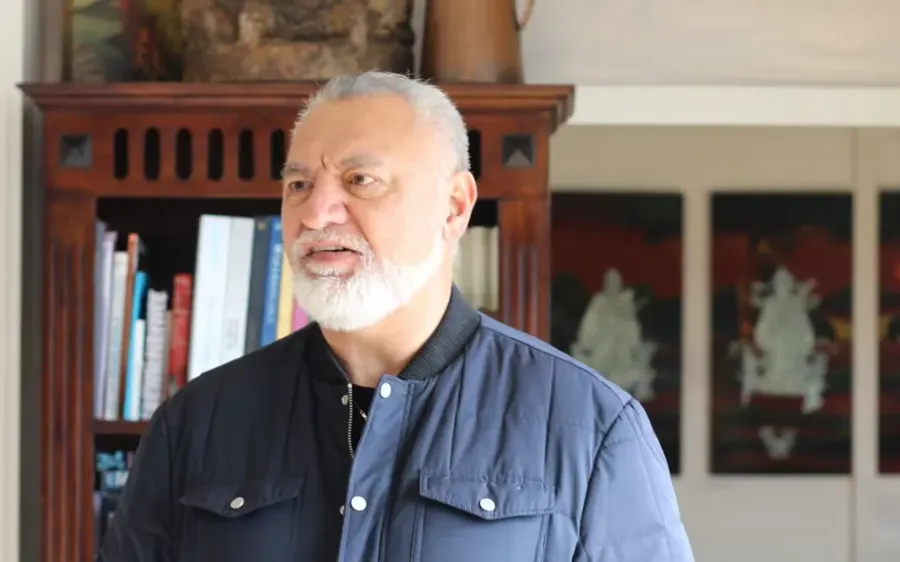
Ngātiwai leader Kris MacDonald had provided a detailed affidavit setting out the customary rights along the Tūtūkākā coast. Wood highlighted the difference between MacDonald's account and Moon's.
"Moon's interpretation is generalised," Wood said. "MacDonald references land claims, geographical features, a discerned understanding of the meaning of certain names in the area, reference to urupā, whānau, the kāinga. They hold the fires that burn in the area, these are very critical factors in assessing whether Moon exercised customary rights in the area."
Wood also pointed to MacDonald's discussion of rāhui, which he noted could only be implemented by those with genuine local authority.
'Not hapū-specific authority'
Moon pushed back, insisting the affidavit could not override his issuing authority.
"I acted under the Crown authority, not hapū-specific authority and not under the kai moana regulations," he said. "The affidavit cannot impose a regional boundary system MPI itself did not use when appointing me."
Judge Davey sided with MPI and found MacDonald's evidence compelling, issuing the prohibition order against Moon for three years. Explaining the order, the judge said: "Meaning, if there is any existing authority for Moon to issue any permits, then that effectively is being forfeited." Beyond that, Moon is also prohibited from engaging in any fishing activity involving the taking of fish, aquatic life, seaweed, or shellfish.
Speaking after the hearing, MacDonald said Ngātiwai kaitiaki kept a close watch on the coast's kai moana resources, which he described as thin.
"We're pretty aware of where our pāua are, and looking after them and making sure we don't take, if they get a little bit thin or a little bit small," he said.
"We feel very slighted when he seems to, without any relationship with us, believe he can just help himself through permits he's getting issued out of his marae in Kaikohe."
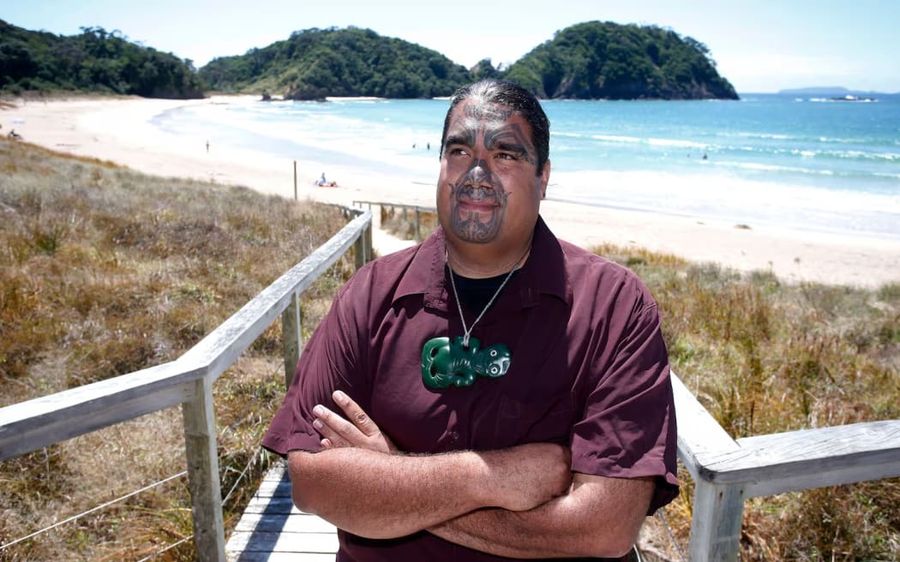
MacDonald confirmed that the registered permit issuers for the Matapōuri area were Ngātiwai Trust Board staff Aperahama Kerepeti Edwards and Tania Macpherson, both committed to strong cultural and customary monitoring and to protecting the coast.
"For customary purposes, it does get hammered over summer, so go easy," MacDonald added.
Fisheries New Zealand district manager for Northland Swazi Lal described Moon as a recidivist offender who had been convicted twice since 2014.
"The rules are there for a reason, to protect our shared fishery resources and ensure they're sustainable into the future," Lal said.