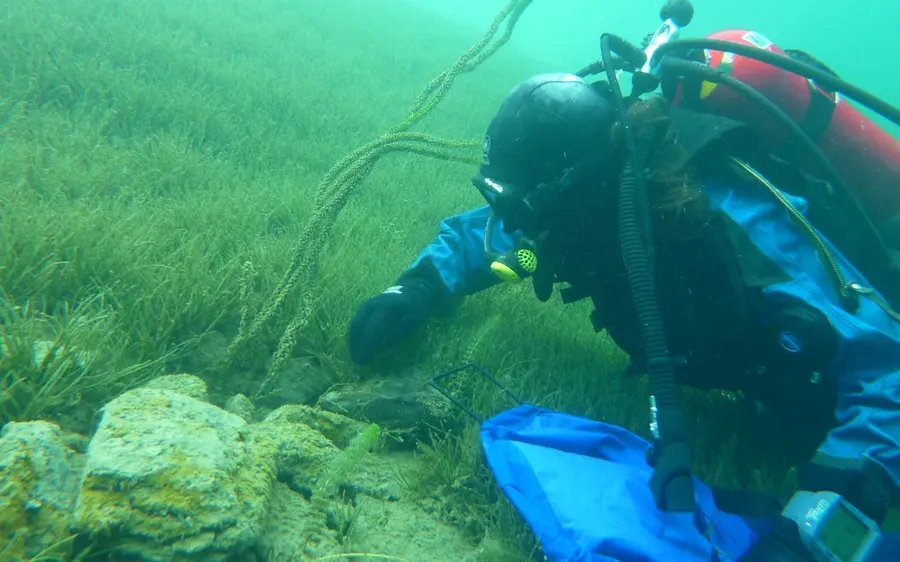
Divers are working beneath the surface of Lake Wakatipu, hand-pulling lagarosiphon in the latest push to keep the invasive lakeweed from taking hold. Left unchecked, lagarosiphon can smother native plants, choke waterways, and disrupt recreation.
The work forms part of Land Information New Zealand's annual biosecurity programme. Alongside the hand-weeding and monitoring under way at Lake Wakatipu, the programme will extend to Lake Wānaka, Lake Dunstan, the Kawarau River, South Canterbury, and Waikato in the coming months.
LINZ biosecurity manager Tracey Burton warned that the weed "could have significant environmental, economic and recreational impacts." She identified boat traffic moving between the Kawarau River and Lake Wakatipu as one of the biggest risks for spreading the weed.
"We ask boat users to do their bit by turning off their engines at the checkpoint just below the Kawarau Falls Bridge. This simple action helps dislodge any weed fragments and prevent them from entering the lake," she said.
Control operations at Lake Dunstan are scheduled to begin from mid-November, with the Kawarau River to follow in late November. A further round of work across the lakes is planned between February and May 2026.