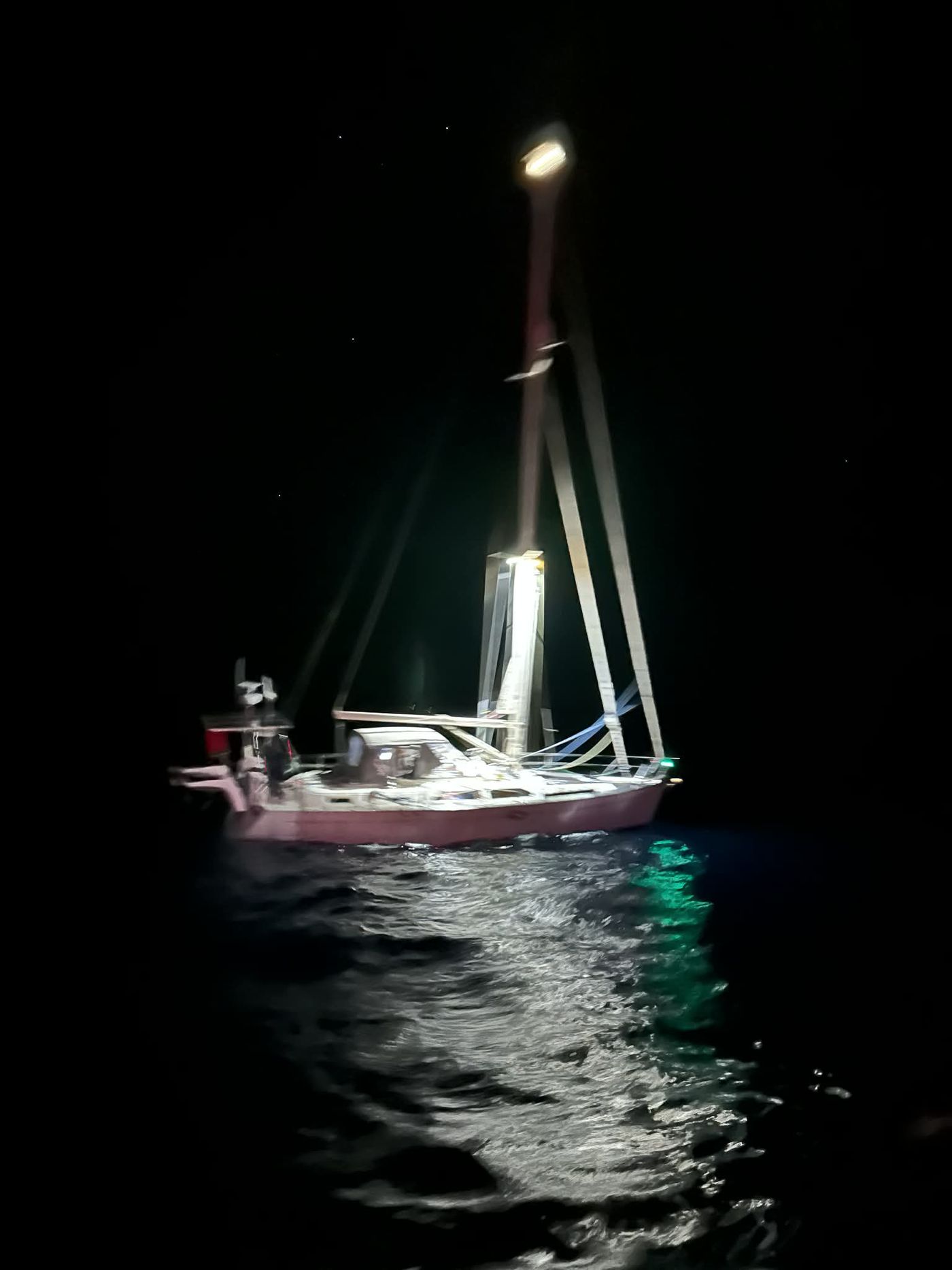
Far off the Northland coastline, a significant rescue operation got underway after an outbound international yacht suffered a major steering failure. The crew attempted to regain control using a jury-rigged arrangement, but that improvised fix broke down too, leaving the vessel effectively unmanageable. With the skipper exhausted and several crew members knocked flat by seasickness, there was no option but to call for help.
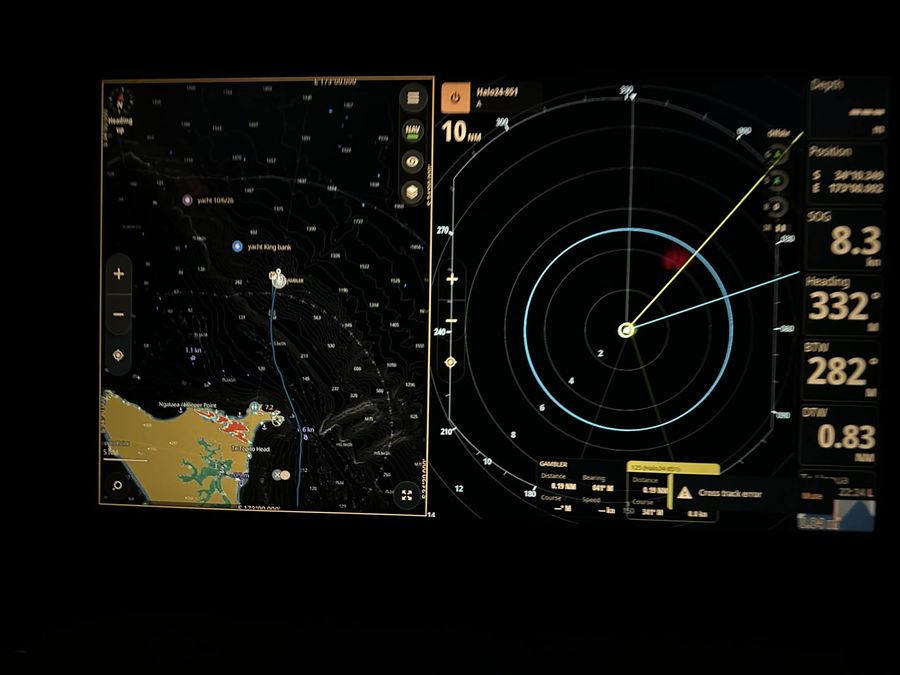
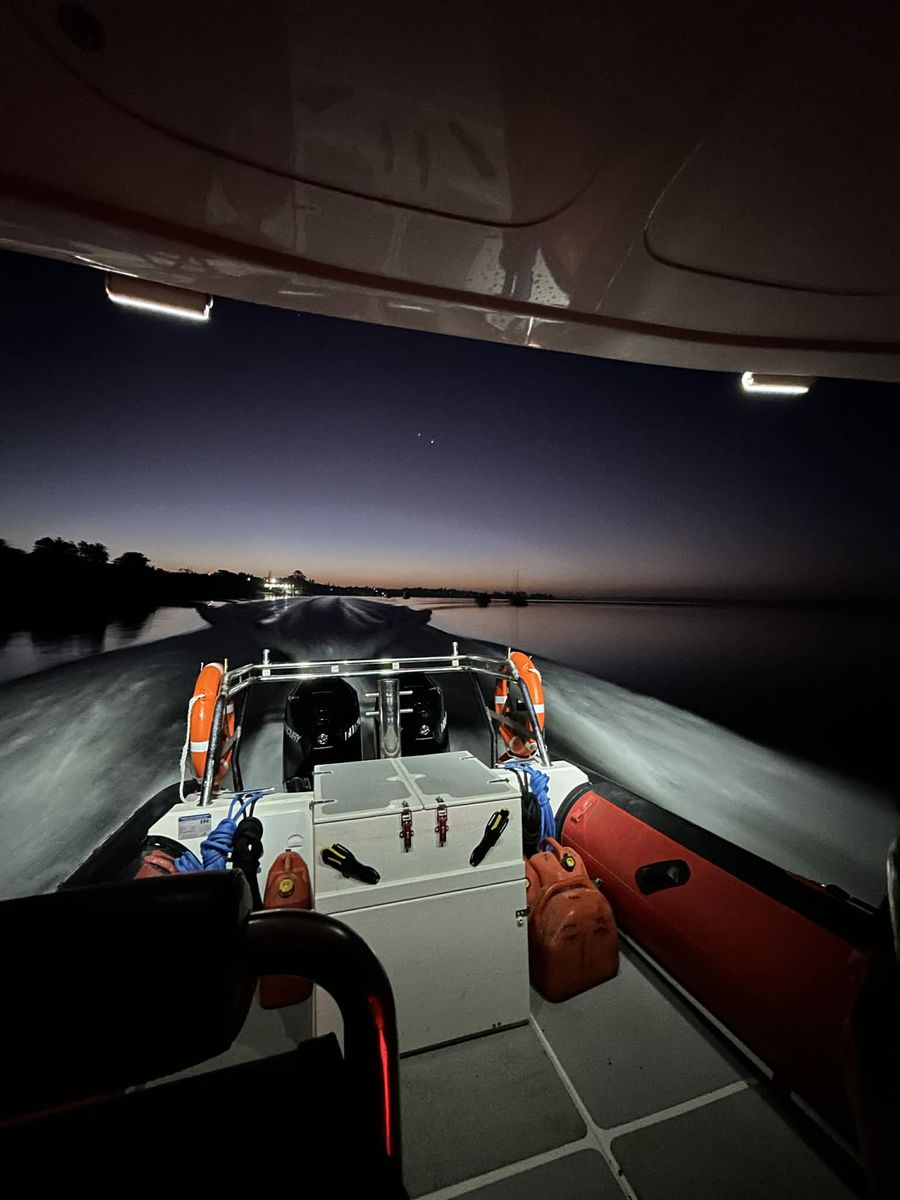
The yacht's distance from shore made any swift response impossible. Coastguard's National Operations Centre worked in close coordination with the Houhora unit to carry out detailed pre-departure planning, and a formal exemption from Maritime NZ had to be obtained before Houhora Rescue could leave the wharf. That sign-off was necessary because the operation pushed well beyond the unit's normal operating range. Houhora Rescue departed just before 6.30 pm.
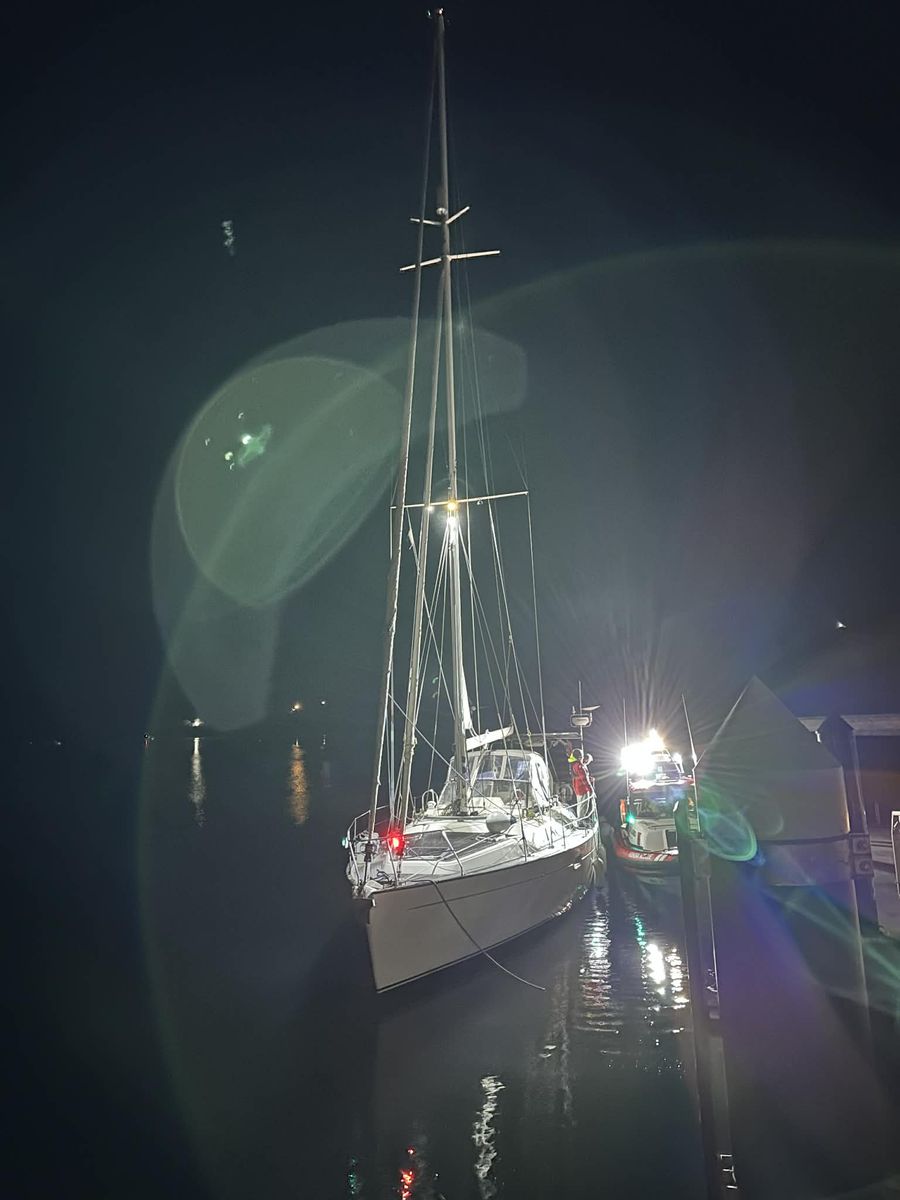
Rather than attempting a tow, the team chose a more direct approach. Two Coastguard crew members transferred directly onto the stricken yacht and took the helm themselves. With fresh hands steering and Houhora Rescue running alongside, both vessels made their way back through open water to the harbour.
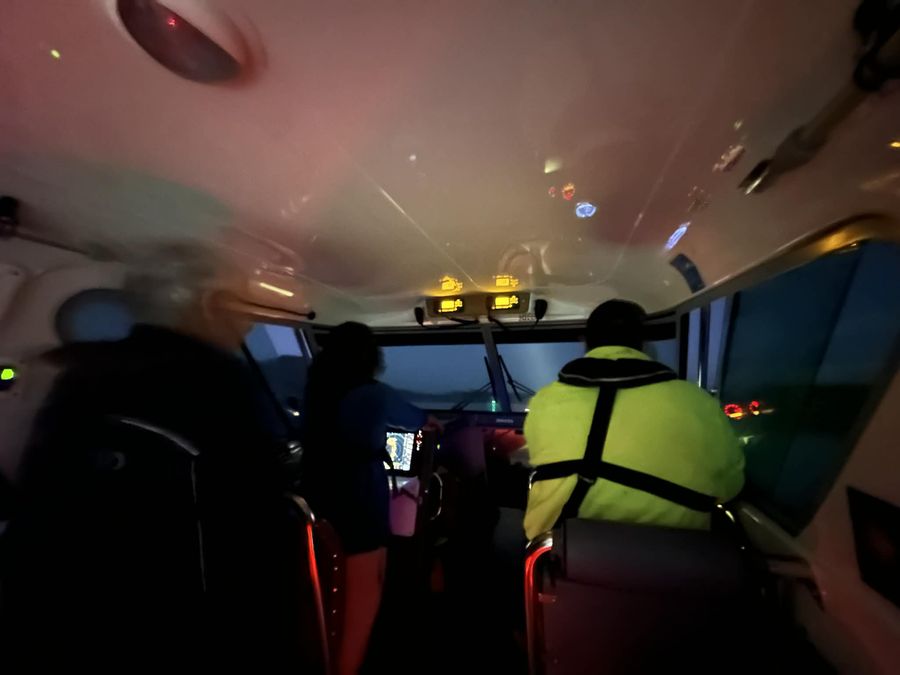
By the time the mission concluded, the volunteer crew had covered more than 100 nautical miles and spent 10.3 hours at sea.
Houhora Rescue skipper Greg Gemmell credited the thorough groundwork completed before departure as the key to the operation's success.
"The success of this mission was down to the intense planning undertaken by CNOC and our unit before we even left the wharf. Putting our own crew aboard to helm allowed us to manage the risk safely and escort them home."
Coastguard is urging offshore mariners to carry VHF radio, an EPIRB, and satellite communications, and to call for help at the first sign of trouble. Forty miles from land, assistance takes considerable time to arrive, and mechanical failures at sea have a habit of getting worse before they get better.