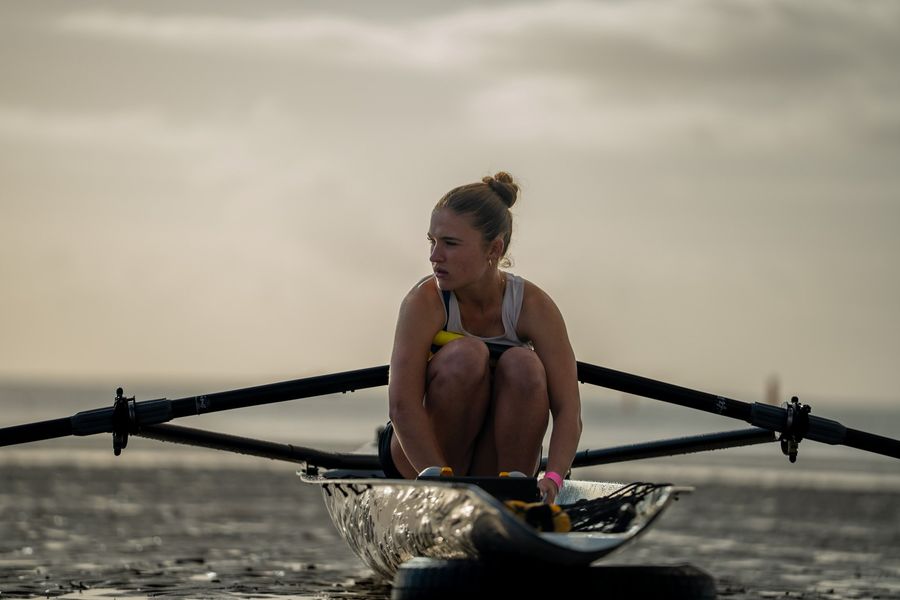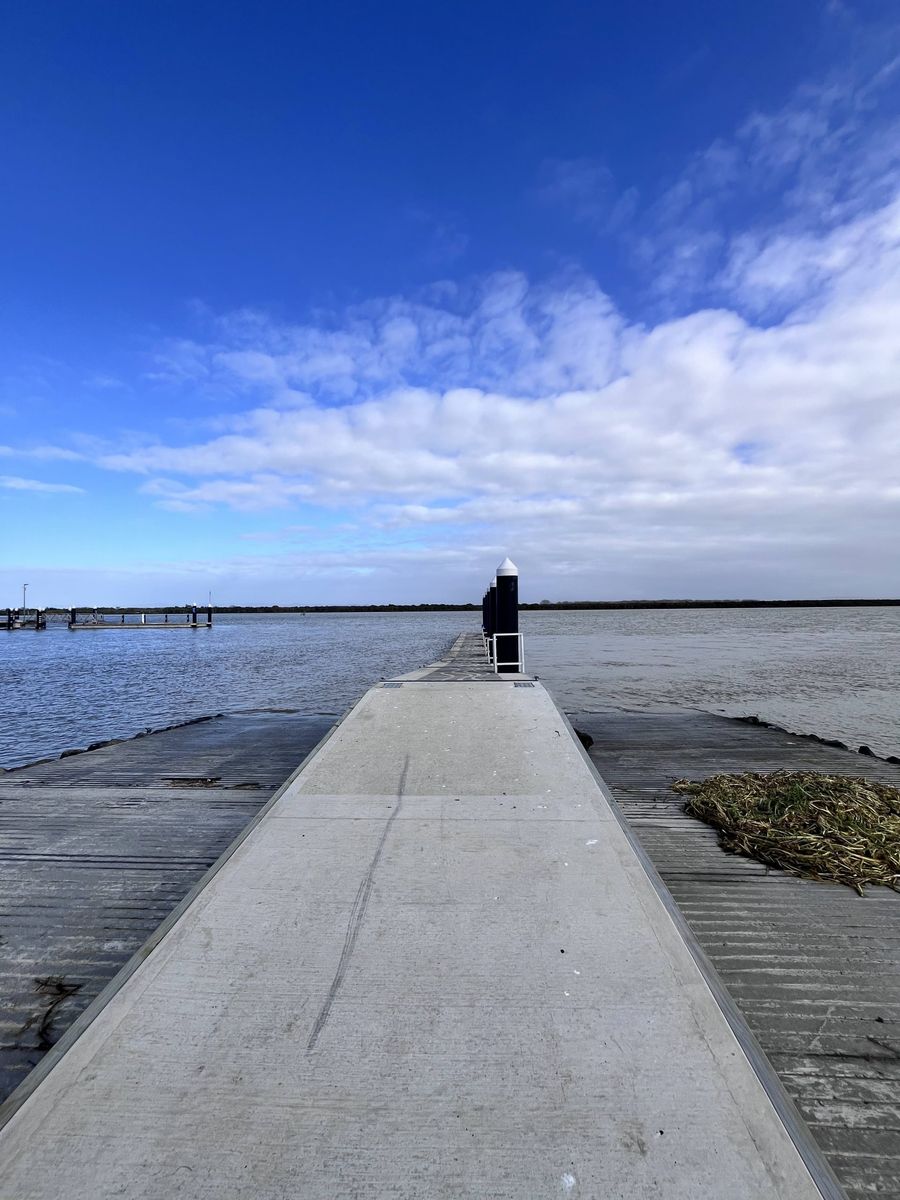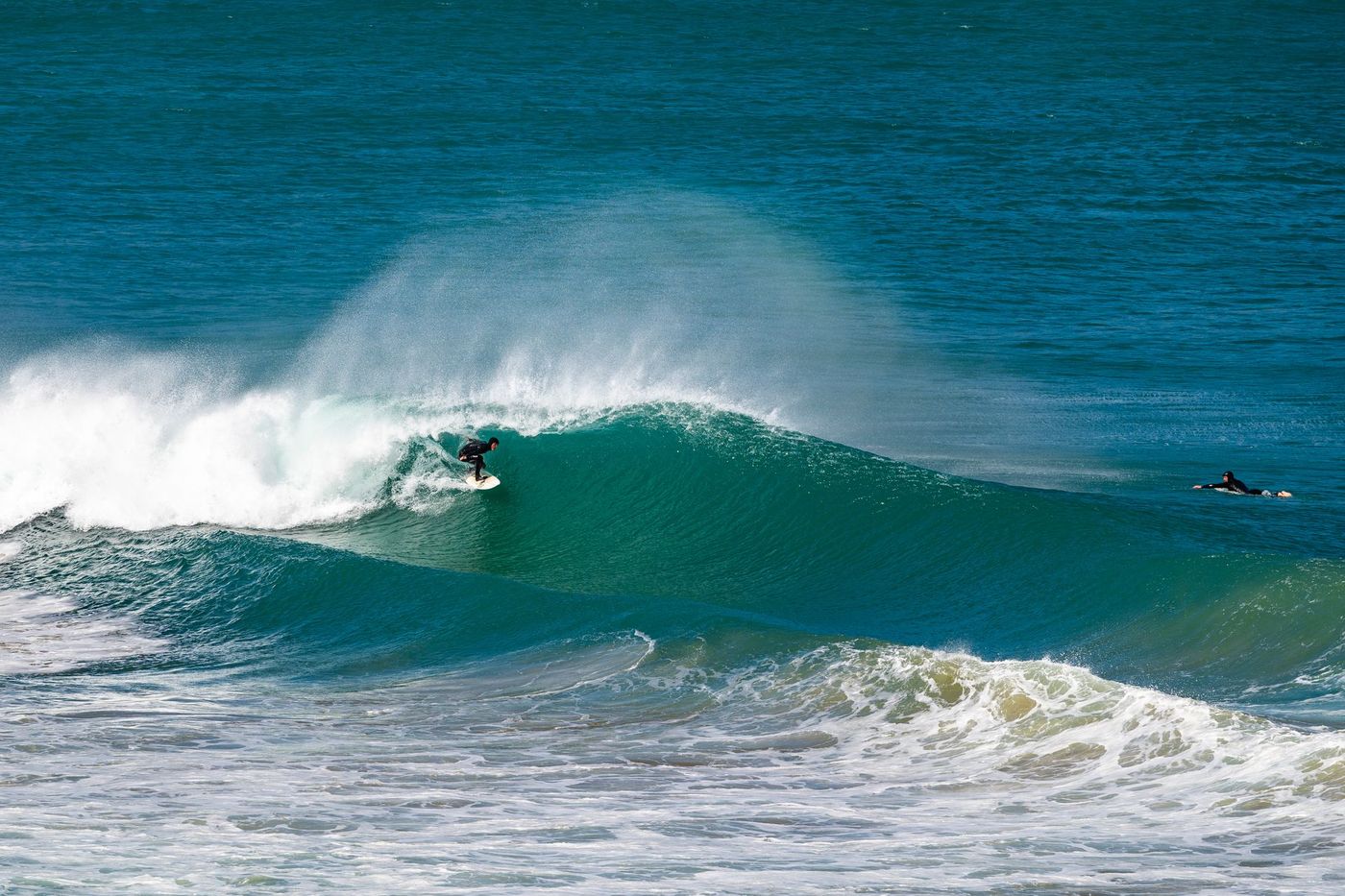
The far south of New Zealand holds a particular kind of magic. Where the Pacific stretches unbroken to the horizon and slow-moving rivers find their way to the sea through farmland and forest, the Clutha District offers a summer experience that is harder and harder to find elsewhere: genuinely quiet, genuinely unhurried, and genuinely close to nature. Lakes, rivers, wild coastlines and sheltered bays all play their part in shaping a region where water is not just a backdrop but a way of life.
Perched at the northern edge of The Catlins, Kākā Point is the kind of beach settlement that reminds you why a classic Kiwi summer is worth seeking out. A long sweep of white sand makes it an obvious choice for families, and the local surf lifesaving club ensures that lifeguards are posted throughout the warmer months, giving parents confidence while the kids play in the shallows. When the sea lies flat and glassy, swimming and bodyboarding are the order of the day. When a proper swell arrives, surfers make their way to the breaks scattered along the bay. There is an ease to Kākā Point that keeps people coming back, season after season.
Venture deeper into The Catlins and the coastline takes on a wilder character altogether. The Southern Ocean has shaped these shores over millennia, and the result is a series of breaks that are dramatic, powerful and uncrowded. Long Point, Pūrākaunui Bay and Tautuku Bay can all produce long, clean rides on the right day, attracting surfers from around the country who are chasing space and Southern Ocean energy in equal measure. For those still learning, sheltered bays provide more forgiving conditions. And for everyone, the sheer remoteness of the place offers something that has become genuinely rare in New Zealand surfing: room to breathe, and the ocean largely to yourself.
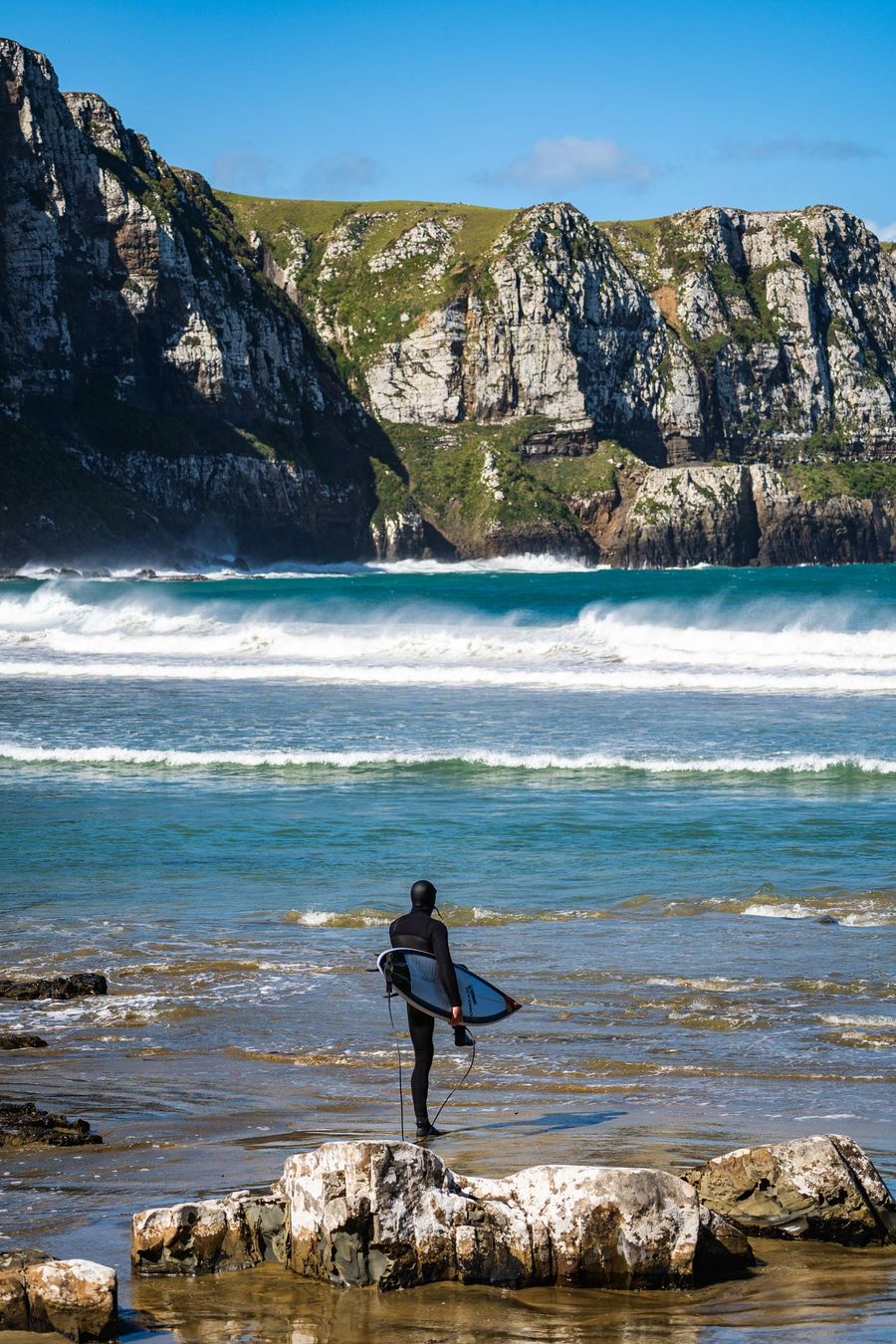
Any local will tell you that surfing The Catlins strips things back to their simplest form. No queues in the line-up, no noise, just a board, the water and one of the most striking stretches of coastline in the country.
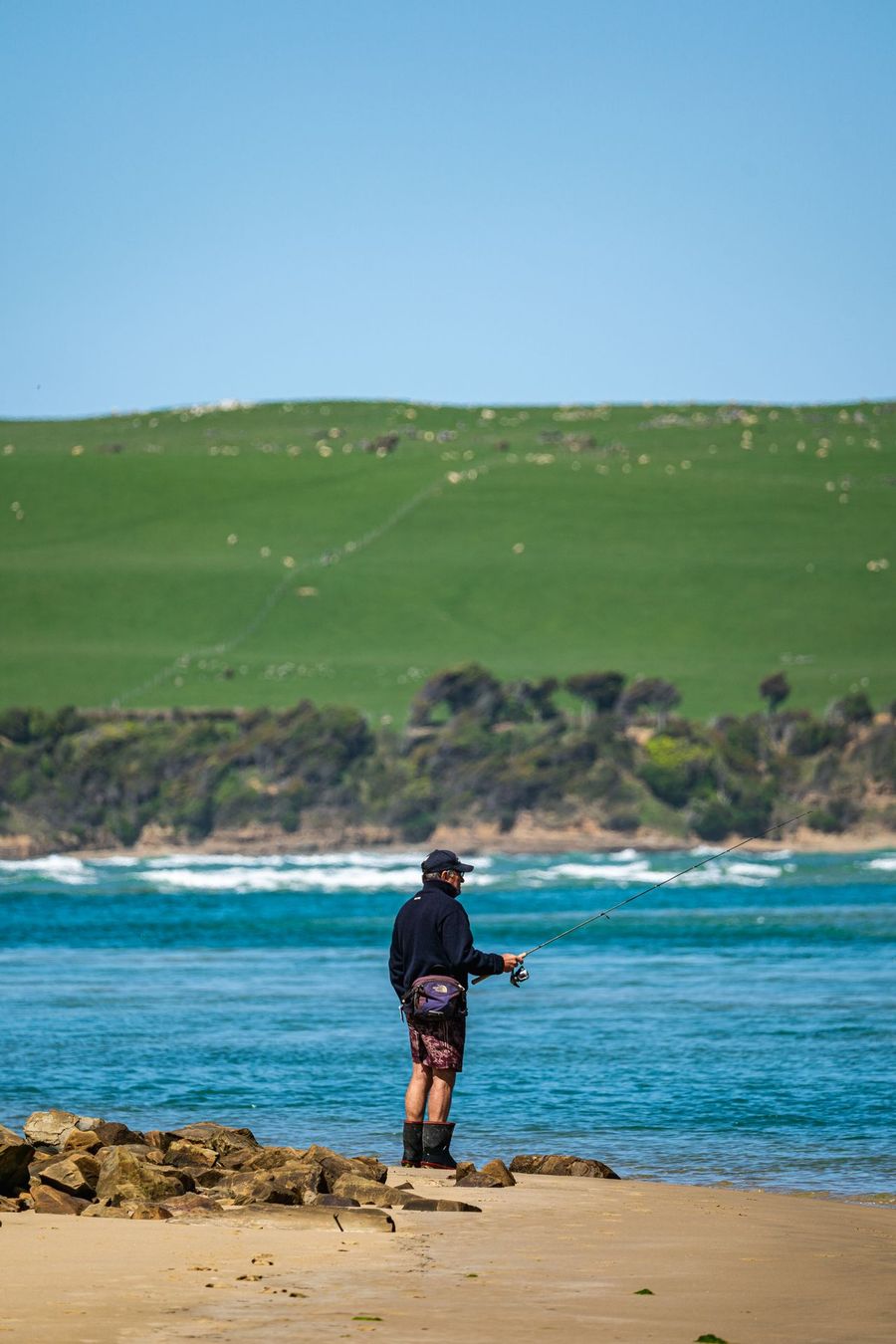
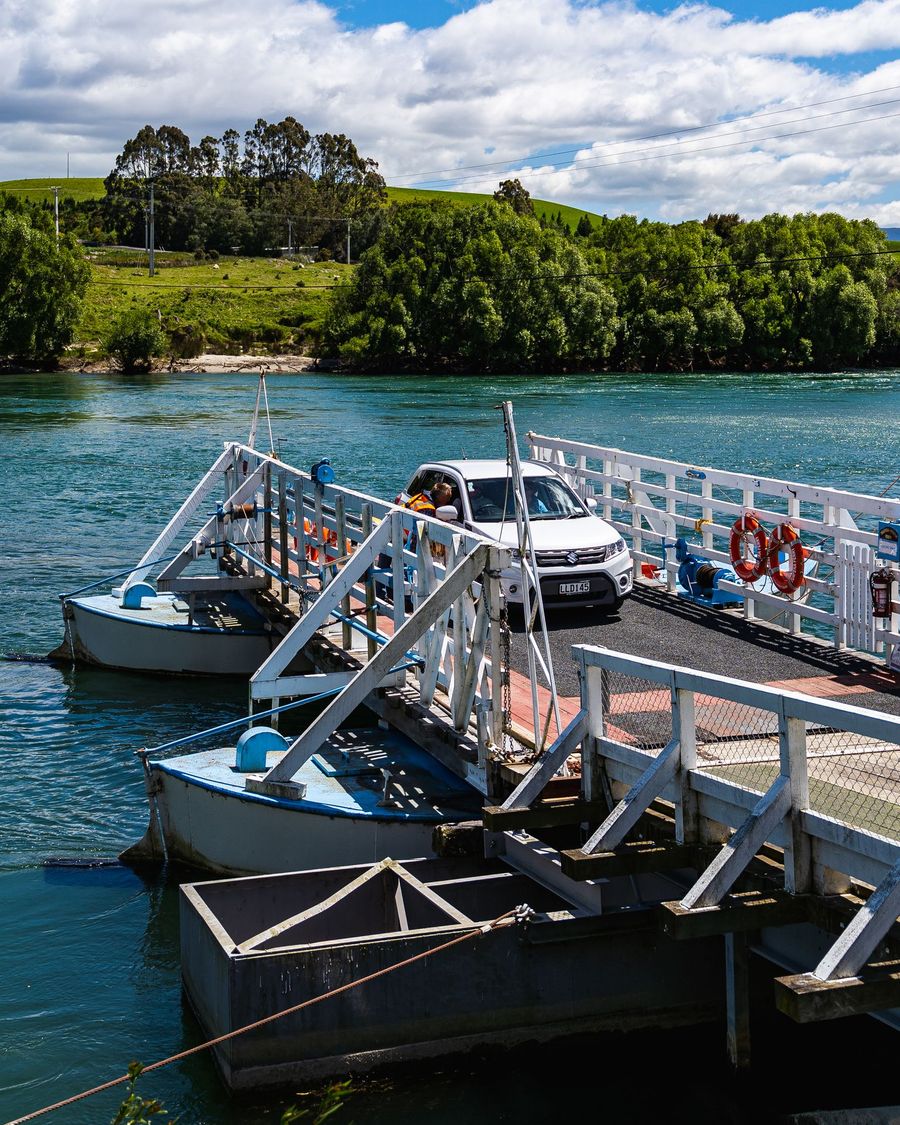
Inland, the Clutha District carries its identity just as much through its rivers and lakes as through its coastline. The Clutha River / Mata-Au is impossible to overlook, a broad, powerful waterway whose distinctive turquoise colouring catches the eye at every bend. In summer it draws jetboaters out onto long open reaches flanked by willows and rock, while families settle into favourite swimming holes along the banks. Anglers gather at Kaitangata, where the river broadens and meets the sea, and the fishing can be excellent. Upstream, one of the district's most distinctive experiences awaits: the historic Tuapeka Punt, the last working punt of its kind in New Zealand, carries passengers across the Mata-Au using only the force of the current, a slow and quietly charming way to spend a few minutes on the river.
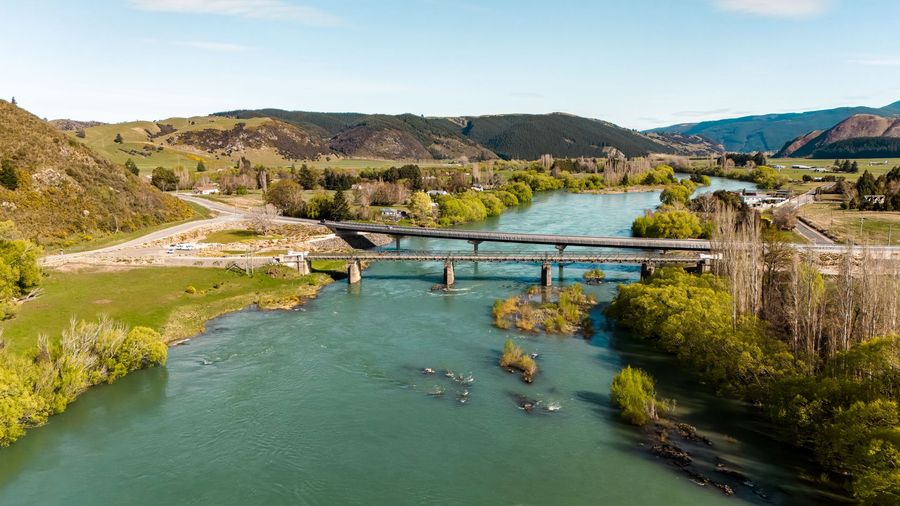
North of the river, Lake Waihola draws a different crowd. Shallow and wide, its waters suit almost every form of water sport imaginable. Jetboating, waterskiing, wakeboarding and towing children on inflatable biscuits all feature on a busy summer's day, while families set up along the foreshore for long, relaxed afternoons in the sun. It is the kind of place where no one is in a hurry and everyone seems happy about it.
Throughout The Catlins and the wider Clutha District, the landscape remains strikingly unspoiled, and that does not happen by accident. Local communities and conservation groups work steadily to keep it that way. Signs at beach and river mouth access points remind visitors to give space to sea lions, little blue penguins and Hector's dolphins, species that share these waters and shorelines as a matter of course. Community volunteers maintain tracks and access points, protect ecologically sensitive areas, and support the surf lifesaving clubs that keep swimmers safe each season. The care taken here is not loud or performative; it simply runs through the fabric of how this district operates.
What the Clutha District ultimately offers is permission to slow down. A morning spent floating on a calm river stretch, an early session catching waves before anyone else has arrived, an afternoon at a swimming hole with no particular schedule to keep, or an evening on a headland watching the tide come in across a sea that has been doing exactly this for a very long time. None of it requires rushing, and all of it is better for the fact that you cannot.
Whether you arrive with a boat on the trailer, children who need water to burn off energy, or simply a desire for open space and quieter days, the Clutha District and its coastlines, rivers and lakes will find a way to hold your attention. The invitation is an easy one to accept: stay a while.