Rowing clubs across New Zealand are pushing the sport's governing body to reconsider the timing of the national Masters regatta, after the event was once again severely disrupted by foul weather.
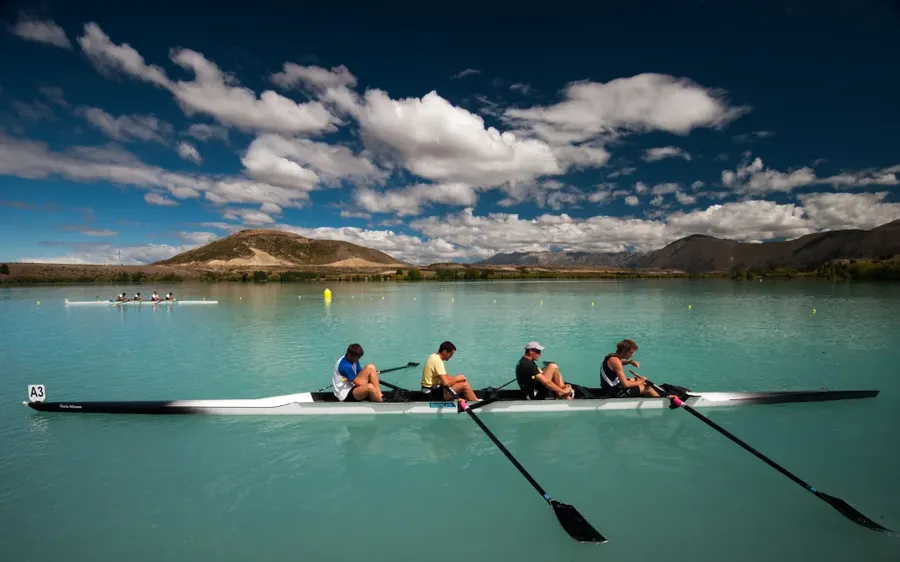
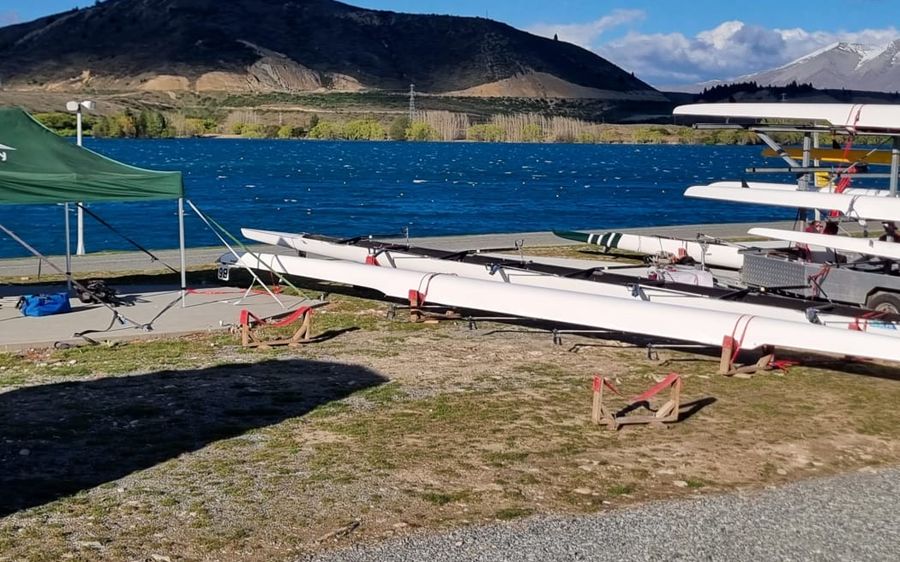
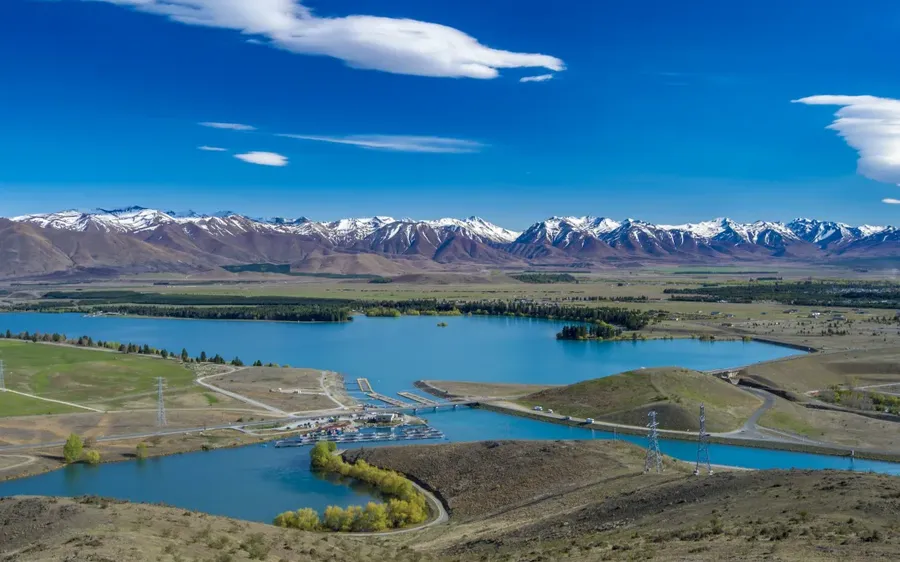
More than 300 competitors made the journey to Twizel for the New Zealand Masters Rowing Championships, held on 11 and 12 October. For many, the trip had cost thousands, yet most of the racing on Lake Ruataniwha had to be abandoned due to powerful north-westerly winds, with the entire second day wiped from the programme. The same venue experienced comparable disruption when it last hosted the Masters two years prior.
Several clubs have since raised doubts about committing to future regattas, questioning whether competing in spring, when conditions can be so unpredictable, is a gamble worth taking. The Masters Rowing Championships is the largest event of its kind in the country, welcoming competitors aged 27 and over. It alternates annually between Lake Ruataniwha and Lake Karapiro near Cambridge.
The regatta had been held in September from 2010 until Rowing New Zealand elected to shift it into October. That decision is now being scrutinised in the wake of back-to-back weather-related failures at Twizel.
Tauranga Rowing Club's Richard Rennie was among those left deeply frustrated. "Wind gusts of up to 60 to 70 kilometres an hour. They started to set in on Saturday which meant racing was delayed for over six hours," he said. "We were able to row the big boats (the eights) and a few smaller ones. All up it was a pretty unsatisfactory outcome if you'd travelled any distance to compete in them. The Twizel pub on the Sunday was the big winner."
At least two boats were also swamped during the event as a result of the conditions.
In the days following the regatta, Rennie wrote to Rowing New Zealand calling for an urgent review of the scheduling. The letter was co-signed by 11 clubs that had attended the Masters. "We believe the need to change the scheduling is imperative and urgent. Anecdotally the Twizel event has resulted in multiple clubs re-considering their commitment to the Nationals, and certainly their commitment to returning to Twizel at this time of year," the letter read. "At a cost of about $1200 per competitor to compete, the risk to come to Twizel is simply too great now."
Cambridge Rowing Club president Peter Fraser shared that frustration, noting that staging the regatta at the very start of the rowing season forces competitors to train through the worst of winter. "I personally do all my training in the dark. It just suits me to be a morning trainer rather than an afternoon trainer. But five o'clock at night you're going into the dark. It's something I've learnt to cope with," he said. "People down south, like Lake Dunstan, have snow to the edge of the lake when they're training over the Winter. With rowing you don't want to be dressed like the Michelin Man."
Petone Rowing Club masters co-ordinator Caroline Robertson acknowledged that organisers had handled a difficult situation as well as anyone could have, but said the winds that had struck the last two Twizel regattas were "diabolical" for rowing. "No one can control the weather. But I think you could influence when the regattas are held," she said.
"October, September, they're not great months. You've got those spring winds that seem to be getting worse and more [frequent]."
Rowing New Zealand general manager of sport development Jared Cummings said the shift to October had itself been driven by feedback from the rowing community, and acknowledged that weather interruptions were not unusual in the sport. "It is a long way for people to travel. It's not unusual though for rowing regattas to have bad, or challenging conditions. It's reasonably common. We do work in a limited environment with a limited window. High wind can happen at any time of the year," he said.
Cummings confirmed Rowing New Zealand was receptive to feedback from clubs regarding the Masters schedule. That feedback is expected to inform the governing body's five-year strategy for masters events nationwide. A national masters committee is also anticipated to be established as part of that process.