The momentum behind protecting New Zealand's coastal and inland waterways shows no sign of slowing. Waiheke Marina and Orakei Marina have both earned full Level 3 Clean Marina certification, joining a select group of operations recognised for their genuine commitment to sustainable practice. The announcement was made at the New Zealand Marina and Boatyard Conference in Queenstown, shining a light on an industry increasingly willing to put environmental responsibility at the centre of how it operates.
The Clean Marina programme was developed by the New Zealand Marina Operators Association (NZMOA) specifically for the local context. Rather than adapting a framework designed elsewhere, NZMOA built a model that reflects the realities of New Zealand's unique coastal and inland environments, while maintaining connections with international counterparts to exchange knowledge and benchmark approaches. The result is a set of standards ambitious enough to make a real difference and practical enough for local operators to achieve.
Reaching Level 3 is no small feat. The programme runs across three levels, with full accreditation sitting at the top. Getting there requires passing a thorough, independently conducted audit, in which two auditors work alongside each marina, providing guidance and support until consistent standards are met. The audit covers a broad range of operational areas: recycling facilities, no-discharge policies, stormwater and wastewater management, hull cleaning practices, biosecurity measures, and the use of sustainable building materials. Policies and procedures come under equal scrutiny, with the expectation that environmental responsibility is woven into daily operations rather than treated as something separate. Certification demands ongoing improvement, not just a one-time demonstration of compliance.
The programme's growth to date reflects a steady shift across the industry. By late 2025, twelve marinas had achieved Level 3 status, among them significant hubs including Westhaven, Half Moon Bay, Gulf Harbour, Tauranga Bridge, and the Bay of Islands. A further four marinas are working through the Level 2 self-auditing stage, and Viaduct Harbour Marina has taken the Clean Marina pledge as its first step along the path. The Marlborough Sounds Marinas added an international dimension to the story last year, when Picton, Waikawa, and Havelock became the first New Zealand marinas to gain accreditation under the International Clean Marina scheme, administered through the Marina Industries Association and ICOMIA. That dual recognition shows how the local programme and its international equivalents can reinforce each other rather than compete.
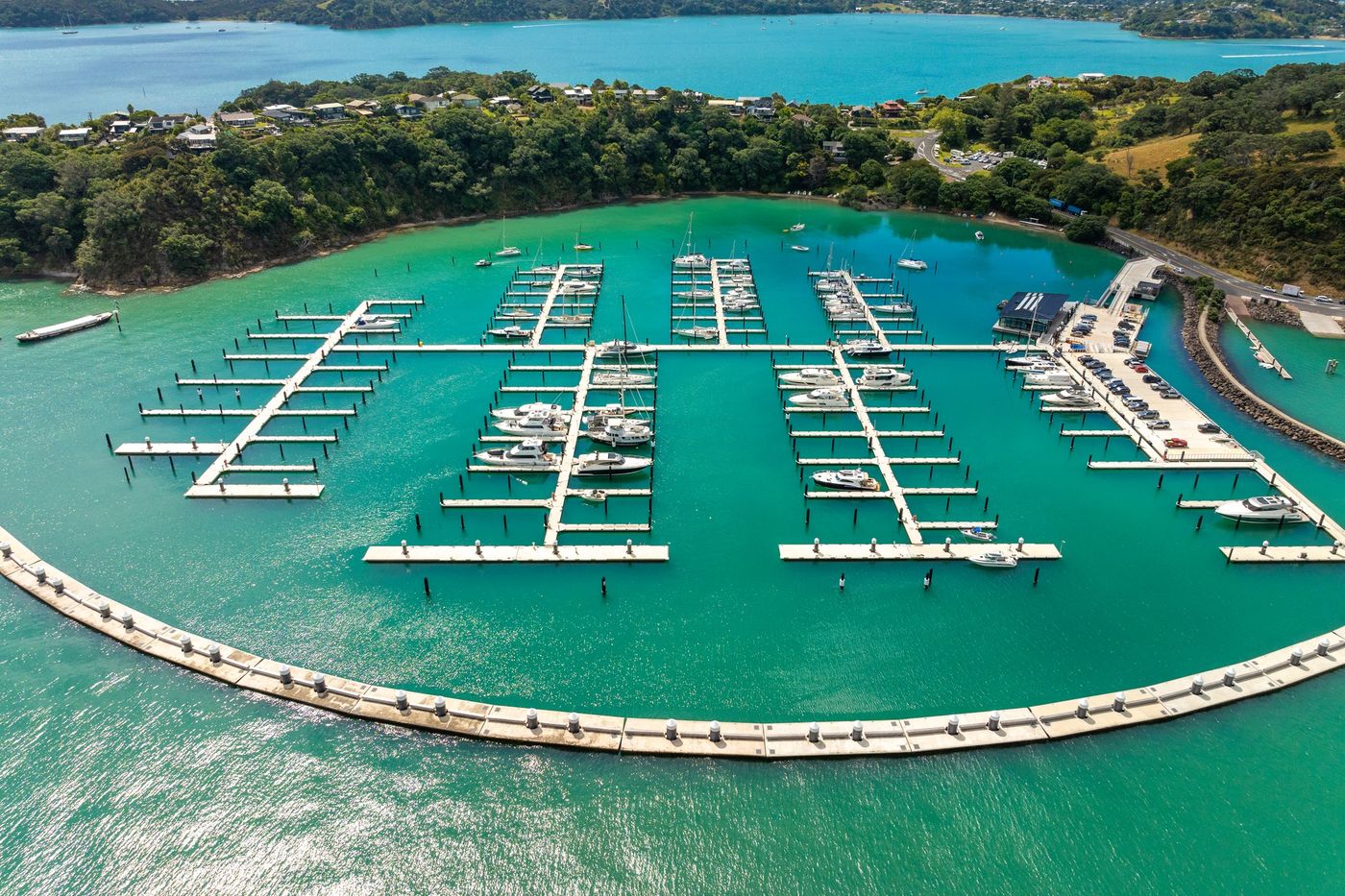
Orakei Marina's path to Level 3 has been built on years of deliberate investment. Under Operations Manager Matt Bourne, the marina introduced advanced recycling systems alongside improved waste management and water quality controls, steadily raising its performance until full certification was within reach. Waiheke Marina presents a different story: having only opened two years ago, sustainability was embedded from the outset. Its design encourages natural water flow and limits environmental disruption, meaning ecological responsibility was a founding principle rather than something retrofitted later.
NZMOA Chair Chris Galbraith said both marinas reflect what the programme is intended to recognise. "The Level 3 Clean Marina status is a mark of dedication to protecting New Zealand's coast and waterways," he noted.
The programme itself is also evolving. NZMOA is preparing a review aimed at strengthening and refining the scheme, with education expected to take on a greater role in the next phase. The ambition extends beyond the marinas themselves, with the goal of helping contractors, boat owners, and the wider boating community appreciate how their everyday choices affect water quality and marine health.
For an industry generating more than half a billion dollars each year, the case for environmental stewardship is not difficult to make. Clean water underpins both recreation and commercial activity, and the marinas taking on Clean Marina certification are demonstrating that world-class facilities and careful environmental management are not competing priorities. The achievements of Waiheke Marina and Orakei Marina illustrate what can be accomplished through thoughtful design, sustained effort, and a willingness to be held to account.