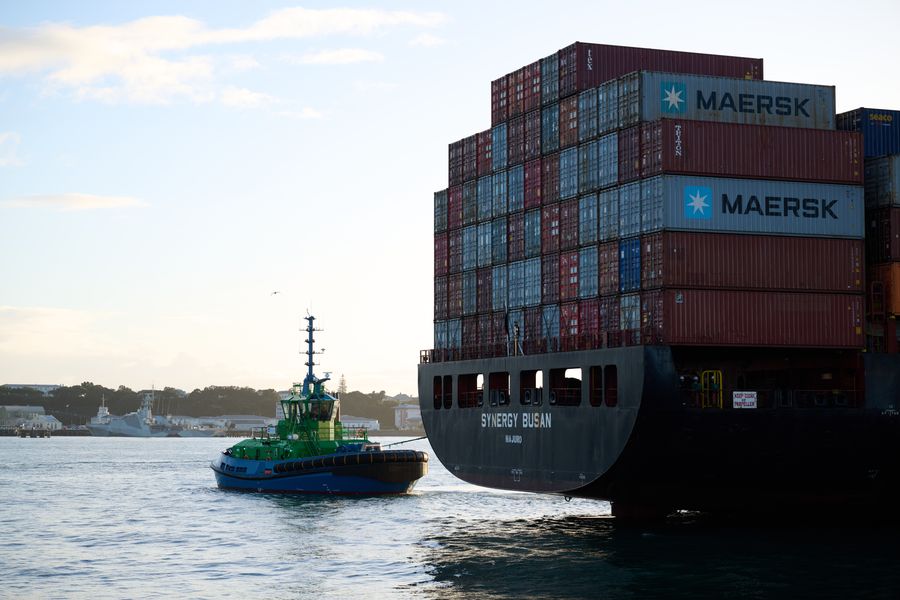
A Christchurch seafood processing company has been fined $20,000 after pleading guilty to nine charges under the Biosecurity Act, each relating to the unlawful receipt of green lipped mussels from a restricted zone.
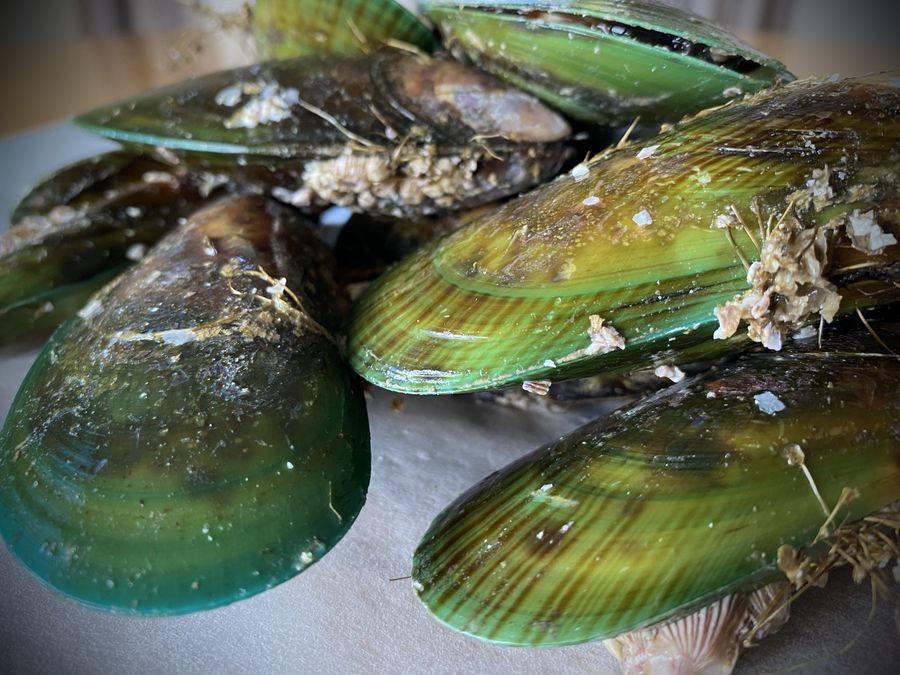
Ikana New Zealand Limited, a licensed fish receiver and seafood processor, appeared in the Christchurch District Court following a Ministry for Primary Industries investigation. The company had accepted 27 consignments of live green lipped mussels, totalling more than 239,000 kilograms, from the Upper South Contained Zone without holding the permits required under disease control regulations.
MPI Director of Investigations and Compliance Support Gary Orr said the company had gone further than simply receiving unauthorised shellfish. "Ikana New Zealand Limited arranged the movement of live green lipped mussels from the Upper South Contained Zone, which regulations prohibit them from doing," Orr said.
“This was because Ikana did not have a permit to receive this seafood for processing and the company supplying the shellfish also did not have a permit to supply it.”
The consignments had been destined for export markets. By accepting them, Ikana New Zealand Limited breached the Bonamia Ostreae Controlled Area Notice, a regulatory instrument introduced in 2015 to limit the spread of Bonamia ostreae, a parasite that has caused severe damage to flat oyster populations. Movement restrictions under that notice apply across parts of the South Island and exist to prevent the disease from reaching new areas or affecting other shellfish operations.
Green lipped mussels rank among New Zealand's most valuable seafood exports, and the aquaculture industry depends on rigorous biosecurity controls to protect both market access and wild fisheries. The Bonamia parasite has already inflicted major losses on flat oyster stocks, particularly in the Bluff fishery, making enforcement of movement restrictions a significant priority for regulators.
The investigation began in October 2024, when a biosecurity inspector discovered that shellfish were being transported without the necessary permits. MPI has confirmed that the aquaculture companies which supplied the mussels are also facing charges under the Biosecurity Act, and those proceedings, together with matters involving several other associated companies, remain before the courts.
Orr acknowledged that the great majority of commercial operators act responsibly. "The vast majority of people who work in the commercial fishing industry are responsible and follow the regulations," he said. "Ikana's action was negligent and the unlawful shellfish had the potential to cause serious harm to the reputation of our country's shellfish industry."
“These green lipped mussels were for export, and the unlawful movement of this shellfish had potential to cause serious reputational harm to the New Zealand shellfish industry,” Orr said.
MPI said the illegal movement of the mussels had the potential to cause wider damage to the industry. Orr was clear on the agency's approach to such offending: "When we find evidence of offending, we take action."