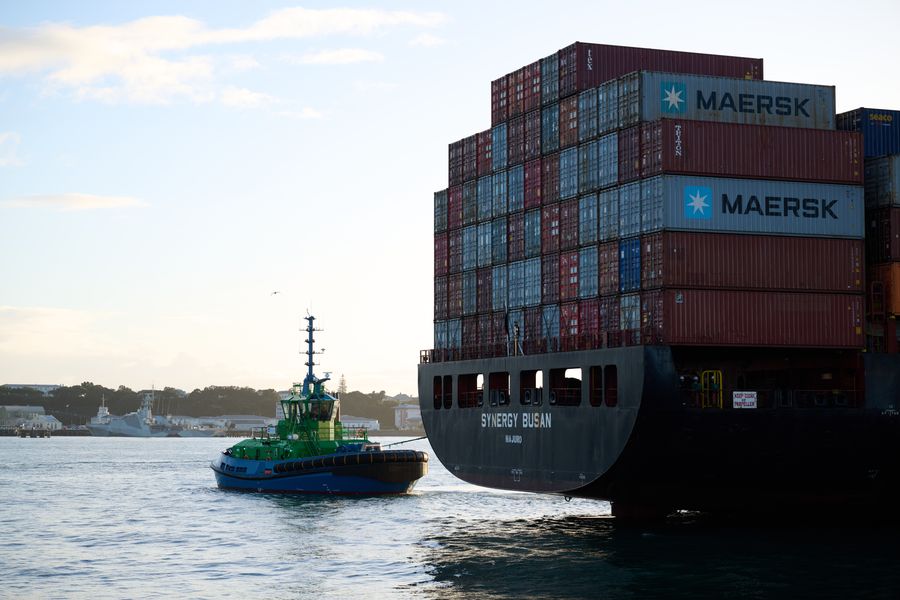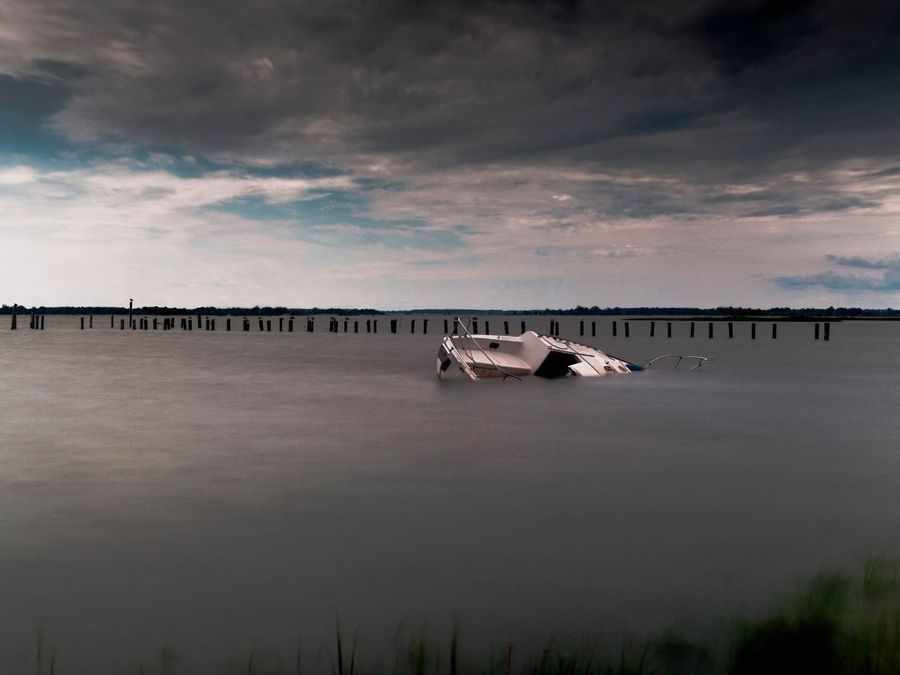
A couple heading out from the Wellington region for a day's fishing off Cape Palliser in early 2023 had no reason to expect anything unusual. Conditions inshore seemed manageable. Then the sea changed. A large wave capsized their trailer boat before they had time to react, and suddenly they were in the water with no means of raising the alarm. Their EPIRB had expired and refused to activate. Their flares were rusted solid. Their VHF was out of reach. Hours passed before a trawler crew spotted them and pulled them out.
They survived. But the margin was razor-thin, and the lesson is stark: safety gear only works if it actually works when you need it. Whether you are crossing Cook Strait or running out to a local reef for the afternoon, the same principle applies. A few hours spent going through your kit before the season starts could be the most useful hours you put into your boat all year.
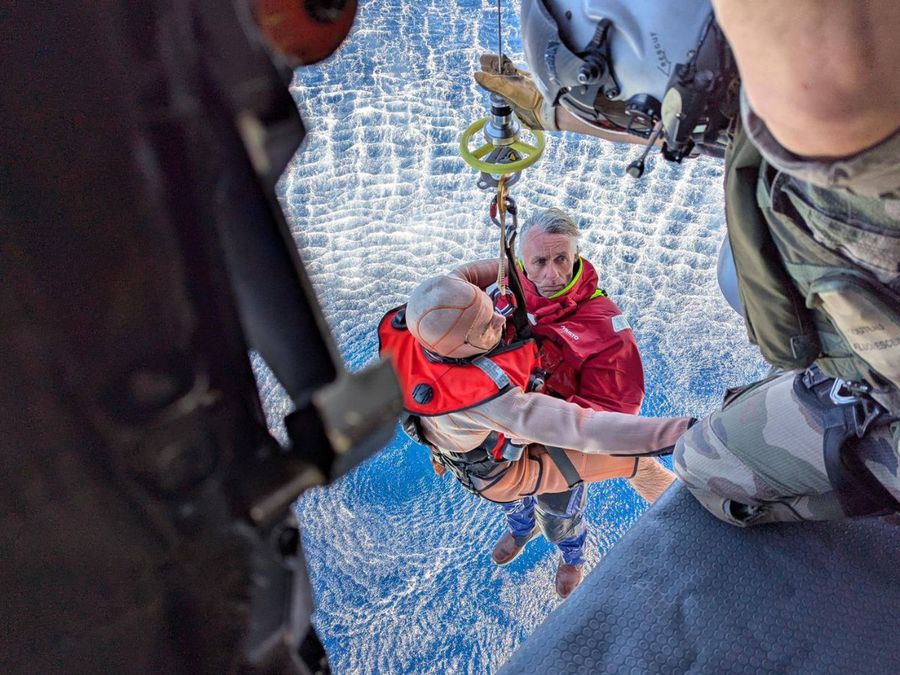
Salt air, ultraviolet light, vibration, humidity, and plain old time conspire against emergency equipment in ways that are not always obvious. A lifejacket bladder can weaken without showing a single visible crack. Flare propellants degrade. Beacon batteries lose capacity quietly. Something that looks perfectly serviceable when you pull it from the locker may already be past the point of reliability. That is the insidious nature of safety gear deterioration: it hides.

Going through your kit item by item before the season starts is not optional extra effort. It is a basic obligation to yourself and everyone who comes aboard. Open everything up, run the tests, and ask yourself honestly whether you would stake your life on what you are holding. If the answer is anything but yes, the decision is straightforward.
Flares tend to attract a particular kind of benign neglect. They sit in their canister, season after season, quietly expiring while their owner assumes they are still good. They remain one of the most relied-upon distress signals at sea, and yet they are also consistently among the most poorly maintained items on board.
A complete flare kit covers the main scenarios: orange smoke signals for daytime use on the water, red handheld flares suitable for day or night and visible to nearby vessels and aircraft, and parachute flares for maximum range, capable of reaching sufficient altitude to be seen up to 40 miles away in clear conditions, with daytime visibility of around 10 miles.
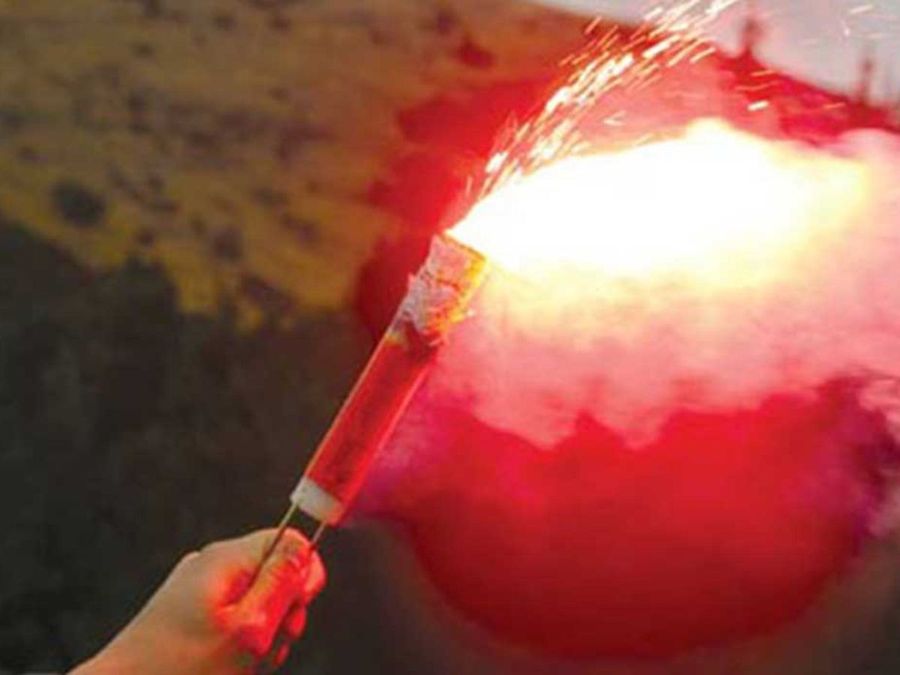
The expiry date is usually printed on the flare body itself or on the outer packaging. Note that it is the manufacture date that determines the lifespan, not the purchase date. Flares typically carry a three-year life from manufacture, and once that window has closed, they are not just useless but potentially dangerous. Check the physical condition carefully as well. Rust, corrosion, cracked casings, worn or illegible labels, and any sign of moisture exposure such as bubbling paper or mildew are all grounds for immediate replacement. Storage conditions matter too: a sealed, dry, waterproof container kept away from UV light and damp lockers is the right approach.
Expired flares should not be kept aboard as a fallback. They are unpredictable and should not be thrown in a bin, burned, or dumped at sea. Contact your local marine supplier, regional harbourmaster, or call Police on 105 for advice on how to dispose of them safely. Maritime NZ also publishes a list of approved lifesaving appliances that is worth checking if you are uncertain whether a product meets current requirements.
Emergency Position Indicating Radio Beacons and Personal Locator Beacons are, for most boaters, the clearest possible line between being found and not being found. When activated, they transmit a distress signal via satellite to the Rescue Coordination Centre New Zealand, carrying both your identity and your location. It does not matter whether anyone saw you go overboard. The signal goes out regardless.
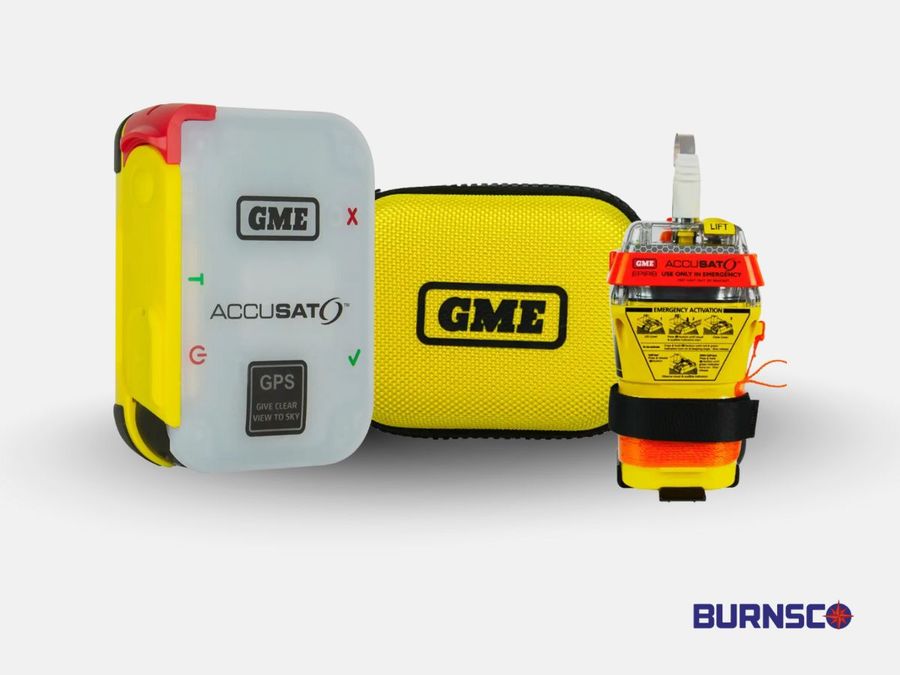
Registration is not optional. It is the law, and it is also practical: a registered beacon allows rescue crews to identify you immediately and reach your emergency contacts without delay. If your registration details are out of date, valuable time can be lost simply confirming who you are and where you might be. For beacons coded to the New Zealand Search and Rescue Region, registration is free through RCCNZ.
When you inspect your beacon, start with the battery expiry label, which shows the expiry in month and year format. Battery life on most units runs between five and ten years, but output degrades as the battery ages, so replacing well before the expiry date is the sensible approach rather than running it to the limit. Most EPIRBs have a test function, usually marked with a "T" or a dedicated test button, which confirms internal diagnostics are operating correctly. For PLBs equipped with GPS, a GPS-specific self-test conducted outdoors under open sky is also advisable. Consult the manufacturer's instructions for the correct test duration and the meaning of the light sequences you will see.
The market has moved on considerably from older beacon technology. Some current units include AIS signals or Return Link Service features, the latter confirming to the user that their distress signal has been received by the satellite system.
A boat fire is fast and violent. Without a functioning extinguisher of the right type positioned where you can reach it immediately, the situation can become fatal within minutes. The two most common types suited to marine use are ABC dry powder, which handles combustibles, fuel fires, and electrical fires, and AFFF foam, which is particularly suited to engine bays as it smothers flammable liquids effectively and causes less damage to electrical systems than powder.
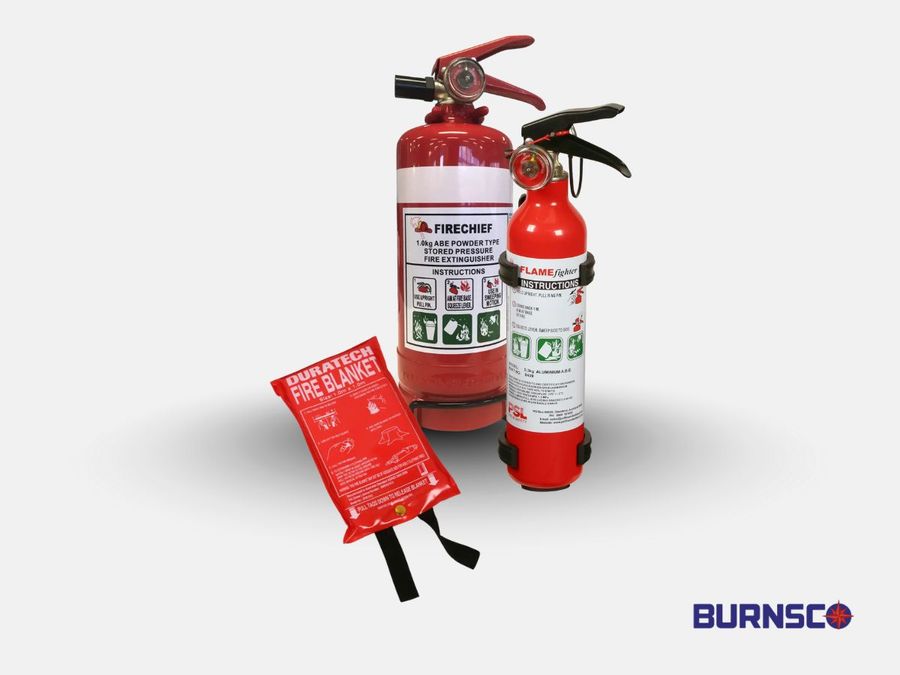
Check the pressure gauge first: the needle should sit in the green zone. A reading in the red or a gauge that appears stuck suggests the unit may already be compromised. Inspect the casing for dents or corrosion, check the hose for cracks, confirm the safety pin is in place, and look for any powder leakage. Most extinguishers have a service life of ten to fifteen years, but inspections every six to twelve months are the standard recommended interval. For disposal, contact your local waste facility or marine dealer rather than placing them in general rubbish, particularly if they are full or contain halon gas.
A lifejacket does one job. If it cannot keep your head above water when you are in the water, it has failed at the only thing that matters. Fit and condition are not secondary concerns.
Foam lifejackets should be checked for torn fabric, crushed or degraded foam, mildew, and UV damage to the outer material. Put it on fully: zip and clip it, then do a shoulder lift test. If the jacket rides up past your chin, the fit is wrong and it will not perform as intended. The approval label must still be legible, showing the size and weight rating.
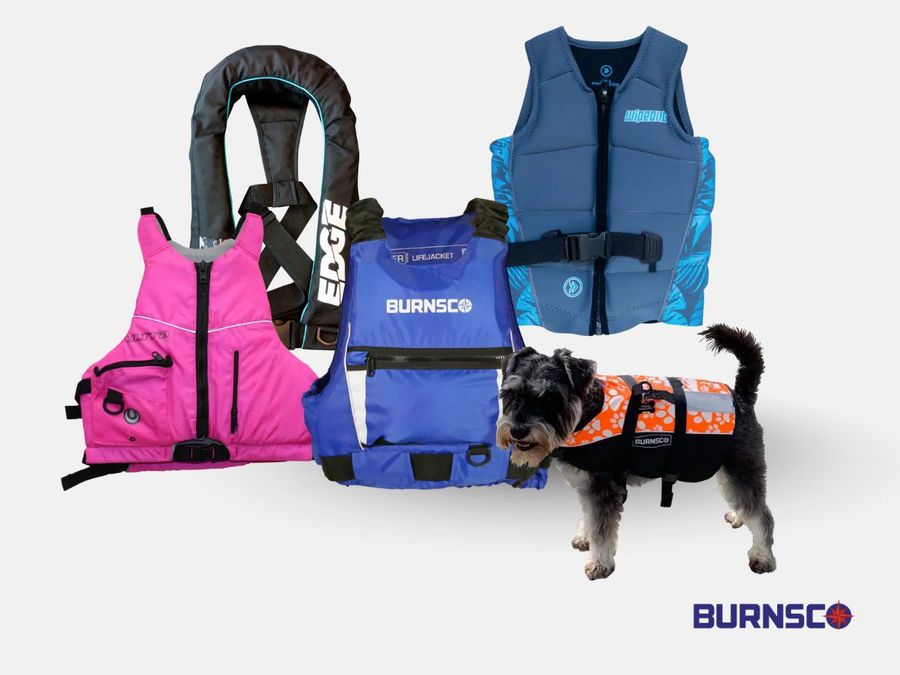
For inflatable lifejackets, open the cover and inspect the air bladder directly for holes, scuffs, or mildew. Inflate it manually through the oral tube, leave it overnight, and check in the morning whether it has held pressure. The CO₂ cylinder should be inspected for rust or damage and weighed against the stamped full weight to confirm it has not partially discharged. Check the expiry date on the firing mechanism, including the automatic bobbin, which is often printed in month and year format. Repack and service according to your manufacturer's instructions.
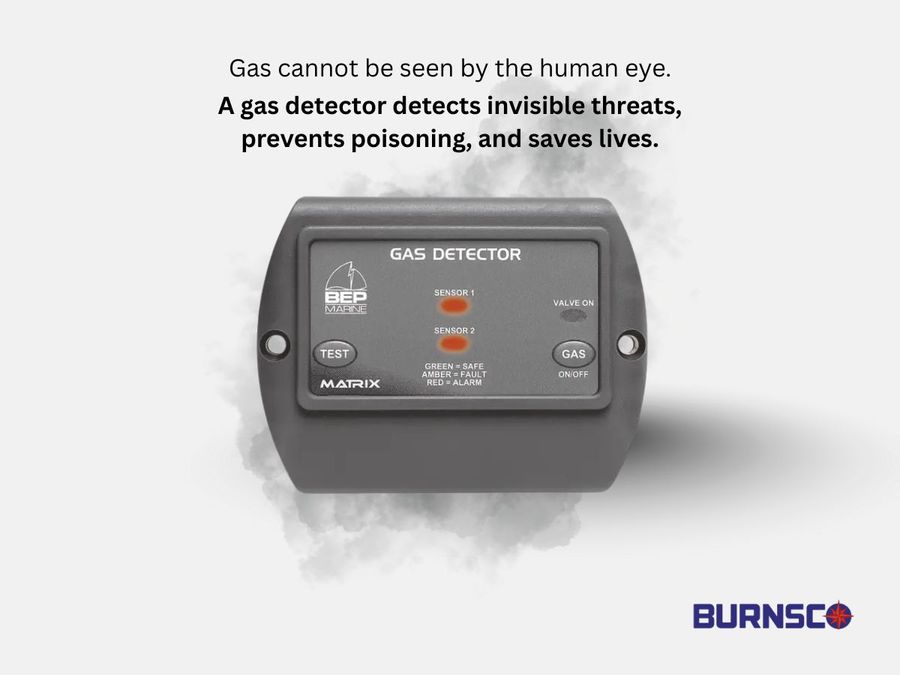
Gas and smoke alarms aboard a boat are easily overlooked until the moment they are needed. Smoke alarms provide early warning of fire, while gas detectors protect against potentially lethal accumulations of LPG, CNG, or carbon monoxide in enclosed spaces, a risk that is particularly acute on boats with cabins or covered areas where gas can pool undetected.
Testing is straightforward: press the built-in test button and confirm the alarm produces a loud, continuous tone. Batteries should be replaced annually, with the start of each season being a logical time to do it. Gas detector sensor heads often require calibration or replacement every five to seven years, so check where your unit sits in that cycle. Placement matters too: smoke alarms belong near sleeping areas and the galley, while LPG detectors should be positioned low to the floor because LPG is heavier than air, and carbon monoxide detectors should be mounted higher up. Certified marine-rated models such as the BEP FD-2 or GasCUBE are strongly recommended for onboard use.
Beyond the standard kit, a number of upgrades are straightforward to add and can make a meaningful difference.
LED flares are battery-powered distress lights capable of flashing an SOS signal for up to 60 hours, far longer than any pyrotechnic flare, and because they contain no explosive material they are considerably safer to store and handle. They are not currently approved under New Zealand maritime regulations as a full replacement for pyrotechnic flares, but they are a worthwhile addition or backup, particularly when paired with a high-visibility distress flag for daytime use. Check the batteries at the start of each season.
AIS Man Over Board beacons are a smart option for solo sailors and offshore crews. These compact devices clip to a lifejacket or harness and trigger automatically on contact with water. Once activated, they broadcast your precise GPS position via AIS directly to the chartplotters of nearby vessels, giving your crew and any other boats in range a live track to home in on. The key difference from an EPIRB is speed and locality: an AIS MOB alert reaches the people who are already close enough to help, right now, rather than routing through a satellite system to coordinate a response from shore.
A fixed VHF radio with Digital Selective Calling is another upgrade worth fitting. One press of the dedicated button transmits a digital Mayday including your GPS coordinates to Coastguard and any other DSC-equipped vessels within range. The system is fast and reliable, provided the radio is connected to your GPS and registered with an MMSI number. Without that registration, the DSC function is significantly less effective.
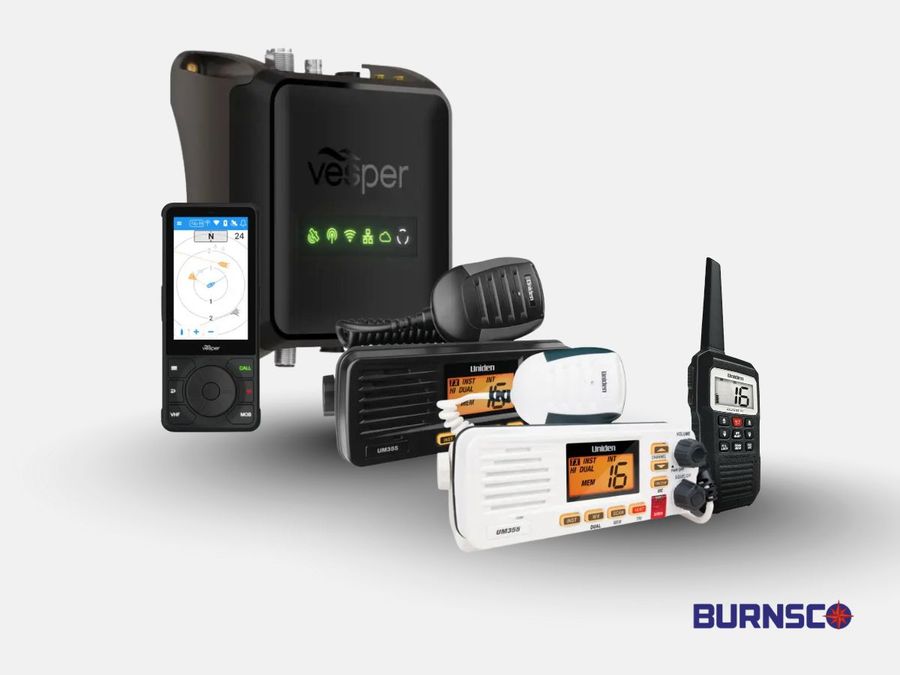
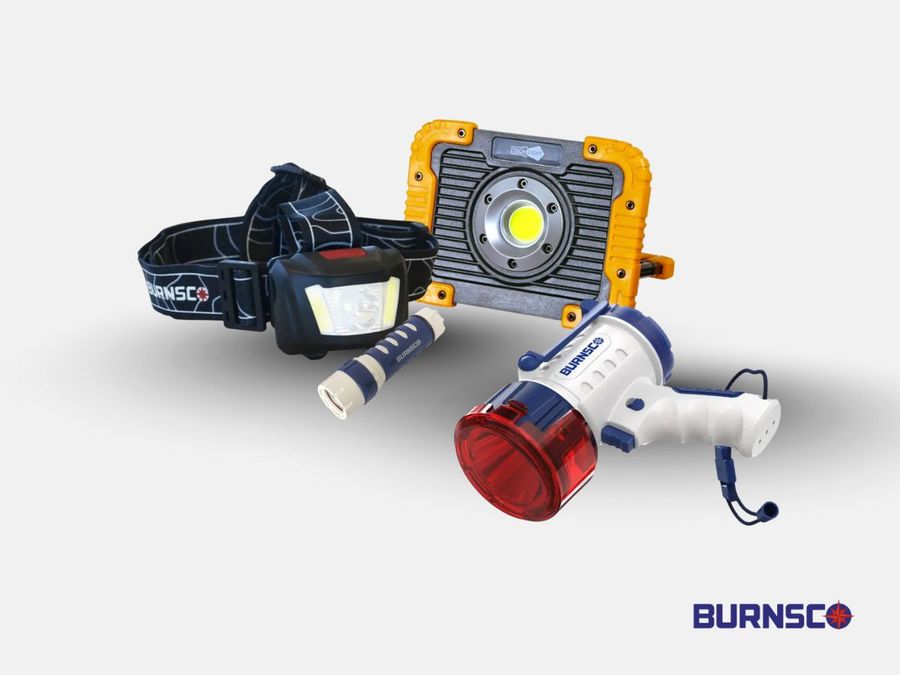
Do not underestimate the simpler items either. A waterproof torch and a whistle are not glamorous, but they work in conditions where other things fail. A whistle carries through wind, breaking waves, and the noise of your own distress far more effectively than your voice, and a torch gives rescuers something to aim for in the dark. Both can be mounted directly to a lifejacket or kept in a grab bag.
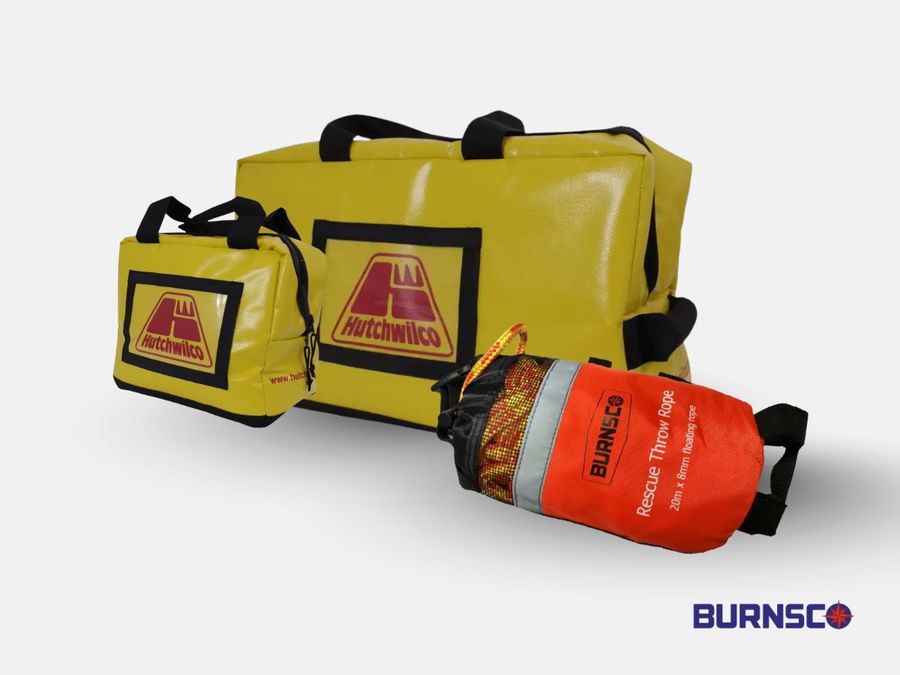
Every boat should carry a grab bag, and everyone on board should know exactly where it is without having to think about it. Position it somewhere obvious and immediately accessible, near the companionway or the main exit, so that in a fast-moving emergency there is no searching required. The bag itself should be highly visible, fully waterproof, and buoyant enough to float if it ends up in the water. A strap or tether for clipping or carrying hands-free is worth including.
What goes inside depends partly on the kind of boating you do, but the core items remain consistent. A registered EPIRB or PLB and a handheld VHF radio are non-negotiable. Flares or an LED distress light cover visual signalling. A first aid kit, emergency blanket, and sufficient food and drinking water for a prolonged wait are important. Navigation tools including a compass, a handheld GPS, and local charts provide a backup if your main electronics are lost. A torch, a whistle, a signal mirror, and a few cyalume sticks or dye markers all improve your visibility to rescuers.
Personal items round the bag out: prescription medication, spare glasses, some cash, and identification or travel documents can all matter if you are recovered some distance from home. The bag should be pulled out and fully checked at least once a season. Every single item needs to be in working order. The gear you hope you never touch should always be the gear you can rely on absolutely.
Boat safety is not about satisfying a compliance checklist. It is about making sure that if something goes seriously wrong, you have given yourself every possible advantage. Open the lockers. Run the tests. Check the dates. Replace anything you would not fully trust with your life, brief whoever is coming aboard with you, and run through the emergency procedures. That is not excessive caution. That is seamanship.
"If you can't trust it with your life, replace it." — Maritime NZ