Reaching 500 operational assists is no small achievement for any rescue vessel, and for Celia Knowles Rescue the milestone carries particular weight. Since entering service in June 2009, the Hawke's Bay Coastguard vessel has been working one of New Zealand's largest and most demanding Coastguard operating areas for more than 15 years without interruption.
The boat was built to honour Celia Knowles, whose estate contributed substantially to its construction costs. The design came out of a collaboration between De Villiers Yacht Design Ltd and AMF Boat Co Ltd, with AMF completing the build in Tauranga. At 11.7 metres, the AMF 1170 QRV RIB represented a meaningful advance on the 9.0m and 9.5m QRV RHIBs that Coastguard New Zealand had relied on previously.
Twin 480hp Cummins diesel engines driving Hamilton 322 jet units give Celia Knowles Rescue both the speed and the handling precision that close-quarters rescue work demands. The vessel can push close to 40 knots at design load and sits comfortably in the high 20 knot range when cruising, offering useful range across a wide operating area. The hull is constructed entirely from 5083 marine grade aluminium alloy with heavy duty Hypalon tubes, and its soft riding characteristics have earned consistent praise, particularly on the long, physically punishing missions the crew regularly undertakes.
Those missions have taken the vessel a long way from the Napier wharf. The furthest recorded assist stretched to 52.5 nautical miles offshore, and the operating area runs from Mahia in the north all the way south to Pourerere. Alex Smith, one of the skippers in 2009, points to a clear shift in where recreational boaties are now venturing. "With improved electronics and the trend to bigger boats, increasing numbers of fishermen are heading to the reef some 75 nautical miles east of Napier, and often even further afield. Responding to an emergency out there in rough conditions with the Naiad is a tall order."
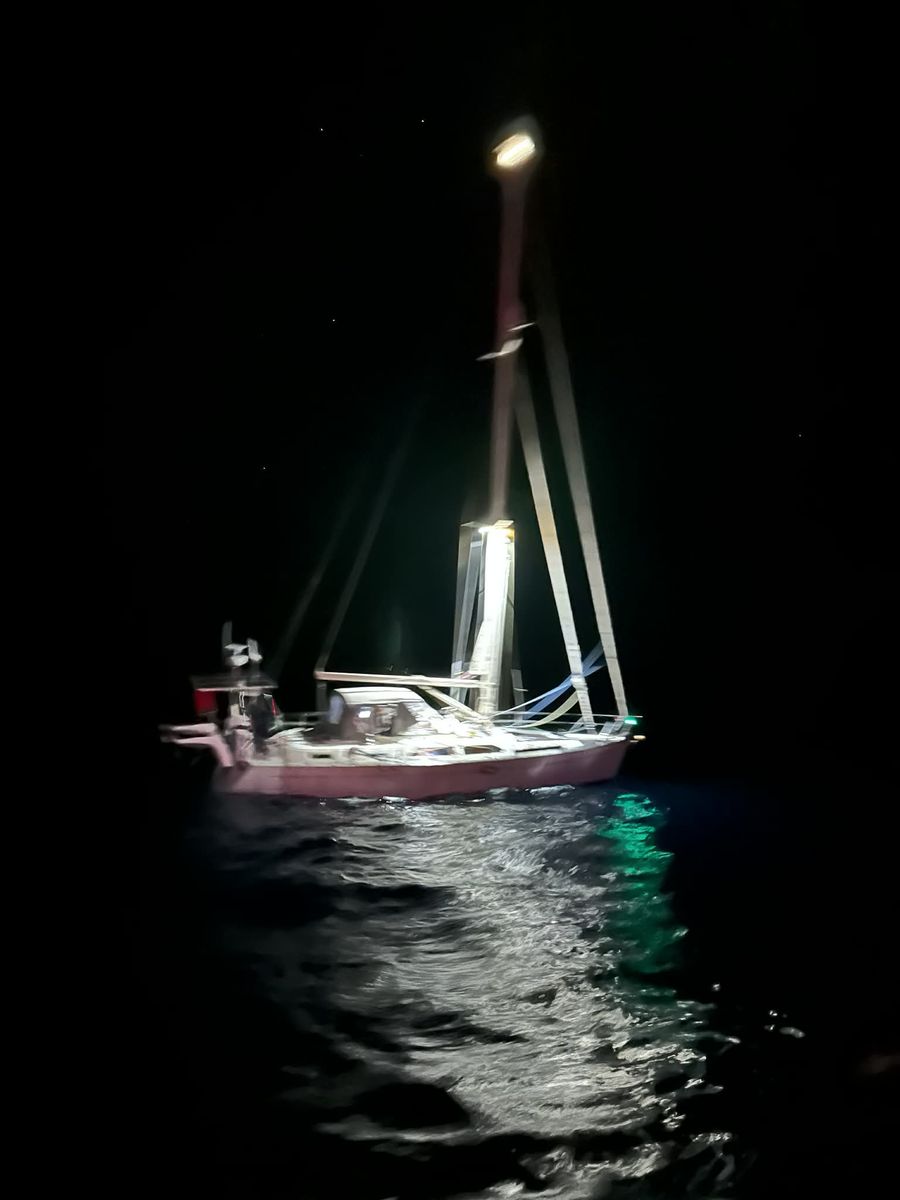
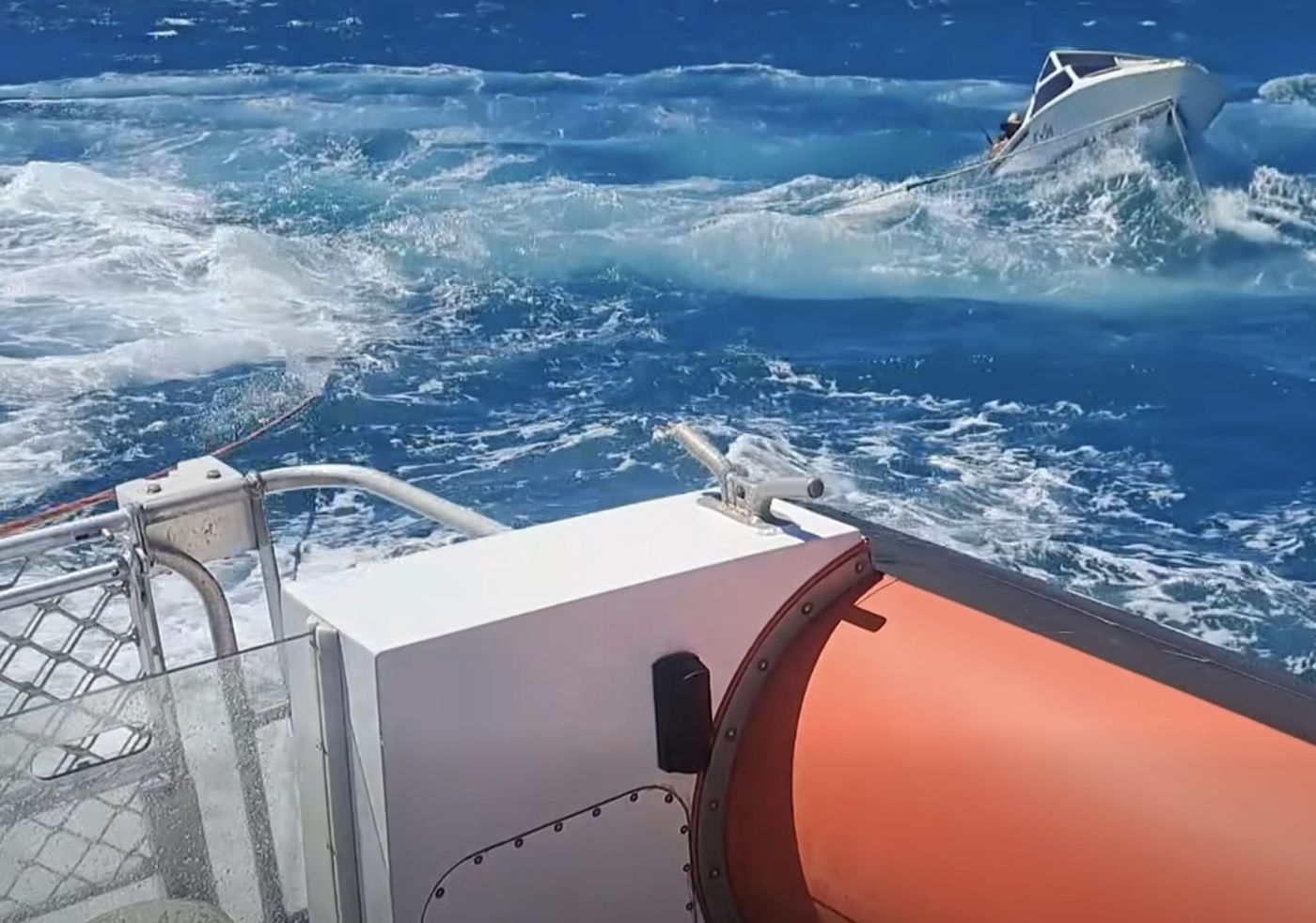
The cumulative record reflects just how varied and demanding those operations have been. Across more than 500 assists and tows, some callouts have kept the crew at sea for up to 11 hours. The vessel has also completed 174 police taskings, with individual missions running as long as nine hours, and as of June 2025 had carried out 14 Rescue Coordination Centre New Zealand taskings, some extending to 12 hours on the water. The work spans the full range of maritime emergencies, from disabled or sinking vessels well offshore to rapid responses for kayakers and small craft caught out by sudden weather changes closer to shore.
The 500th assist fell over the Waitangi Day weekend 2026, during a stretch of multiple callouts in challenging conditions. Arriving during a busy, difficult period, it was a fitting marker for a vessel that has rarely had a quiet spell.
Celia Knowles Rescue has also built a steady presence beyond the emergency calls. School visits, open days, and informal interactions at the wharf have given the wider community a direct connection to the work Coastguard volunteers carry out around the clock throughout the year.
The 500 assist figure is less a single moment of celebration than a measure of sustained, proven service. It speaks to the durability of a well-considered design, and to the Hawke's Bay Coastguard volunteers who keep turning out, day and night, across a vast and often unforgiving stretch of coastline.