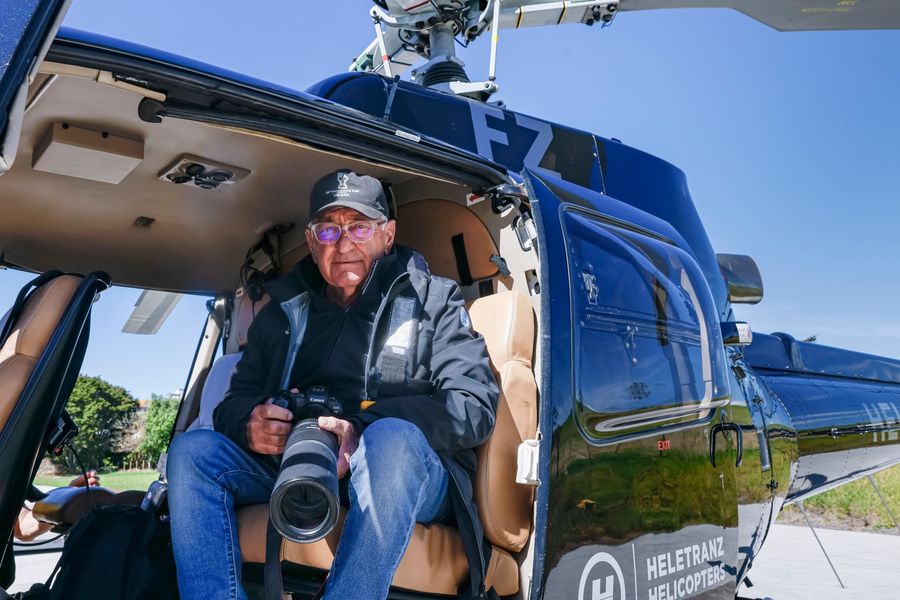
Carlo Borlenghi, one of sailing photography's most defining figures, died in 2026 at the age of 69. For more than four decades he stood behind the lens at the sport's greatest moments, leaving behind a body of work that did not merely record history but became it.
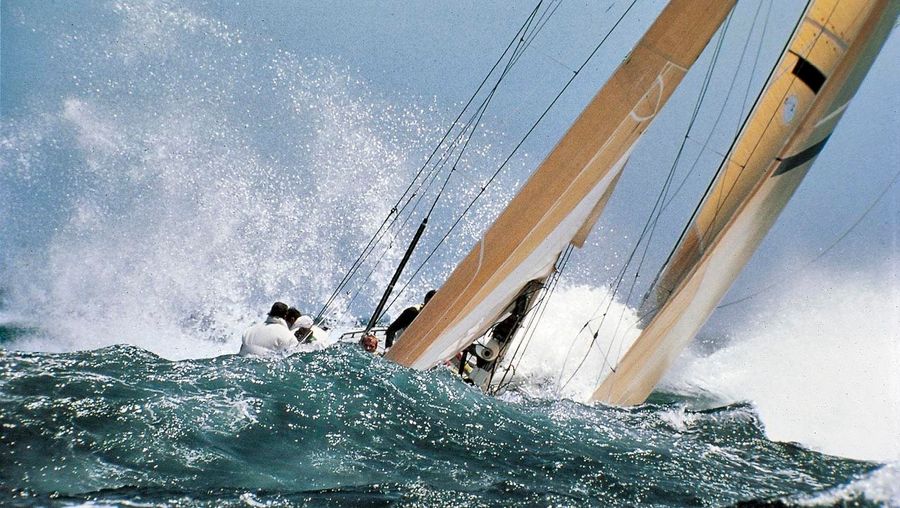
Born in Bellano on the shores of Lake Como in 1956, Carlo began his career photographing local regattas before a collaboration with Uomo Mare Vogue opened the door to the international sailing circuit. His first America's Cup came in 1983, when he joined Italy's pioneering Azzurra challenge in Newport, Rhode Island, arguably the gateway regatta to the modern America's Cup. It proved the beginning of a lifelong relationship with the oldest trophy in international sport.
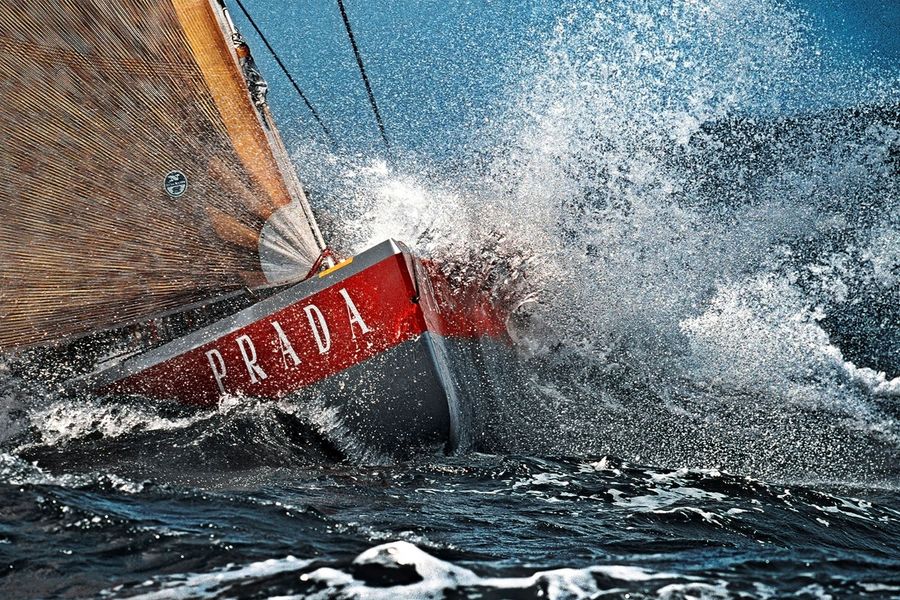
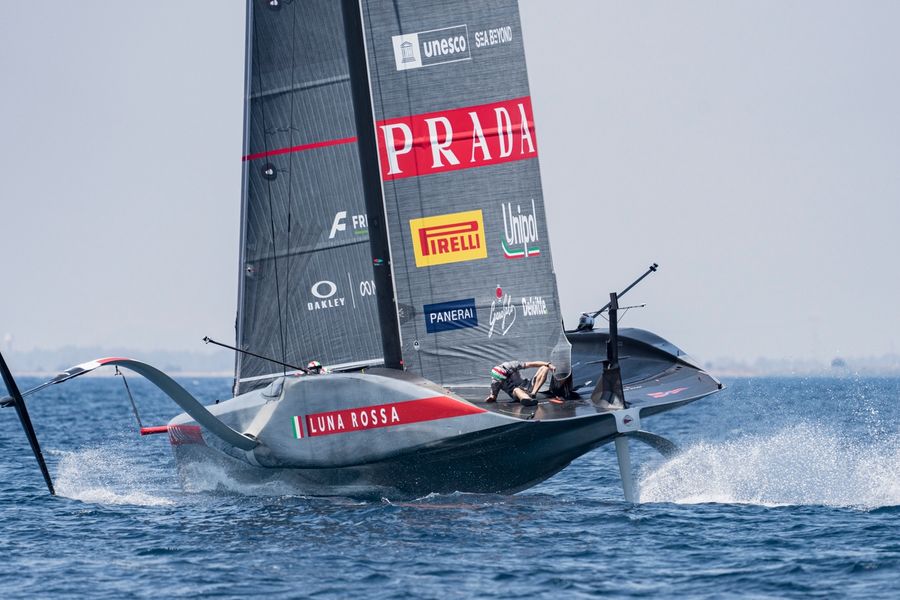
From that moment he became an ever-present figure at the Cup. He photographed Italia in Fremantle, Il Moro di Venezia in San Diego, Luna Rossa through multiple campaigns, and Alinghi's successful defence. He later served as Official Photographer of the America's Cup itself. By the time the foiling era arrived, few people had witnessed the evolution of the event with such continuity, insight and affection.
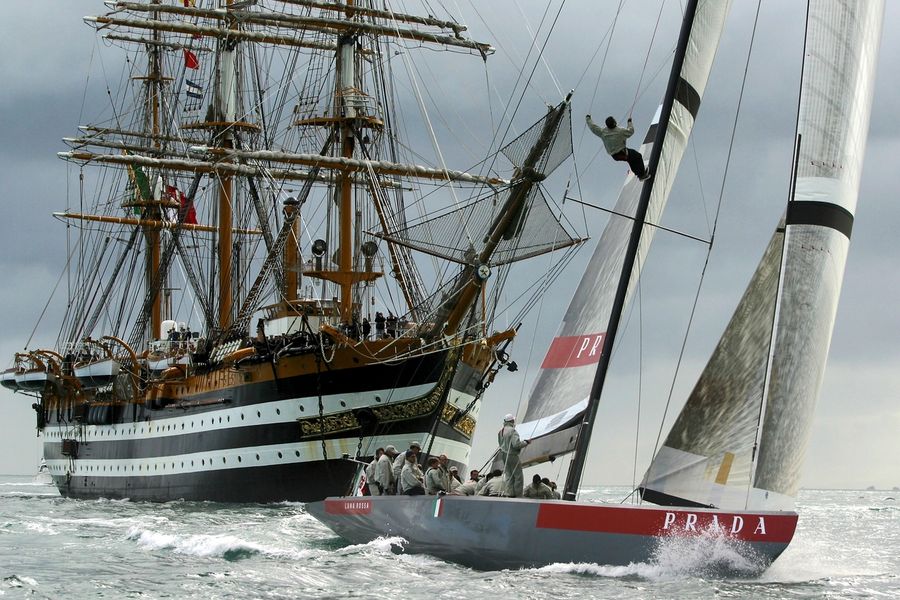
His work reached far beyond the America's Cup. Borlenghi documented Whitbread and Volvo Ocean Races, Rolex regattas globally, Giovanni Soldini's ocean adventures and countless Olympic, offshore and grand prix sailing events. Not even the COVID pandemic could stop him attending in 2021 and capturing more history in the making.
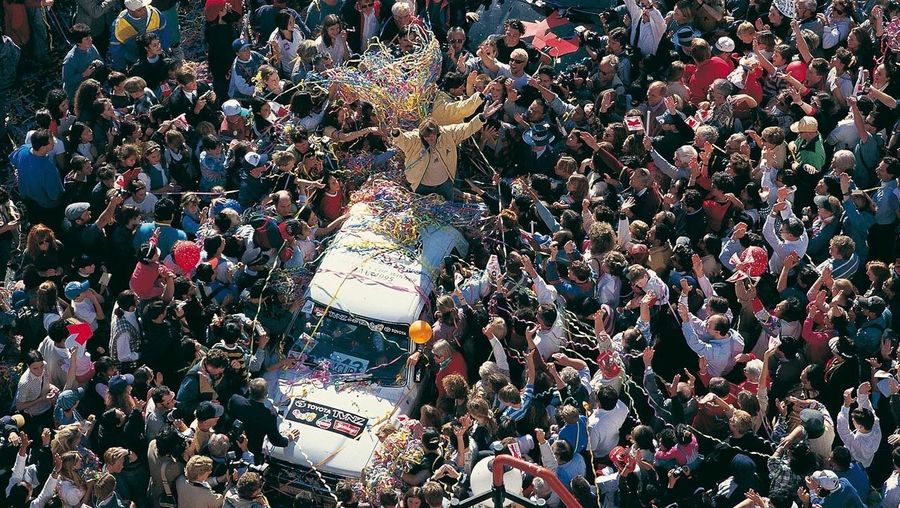
What made Carlo exceptional was not simply technical brilliance, but an instinctive and deep-rooted understanding of sailboat racing itself. He knew where the pressure would build on a start line, when the spray would explode from a bow, when a helmsman's glance revealed victory or defeat. His images carried movement, atmosphere and humanity in equal measure.
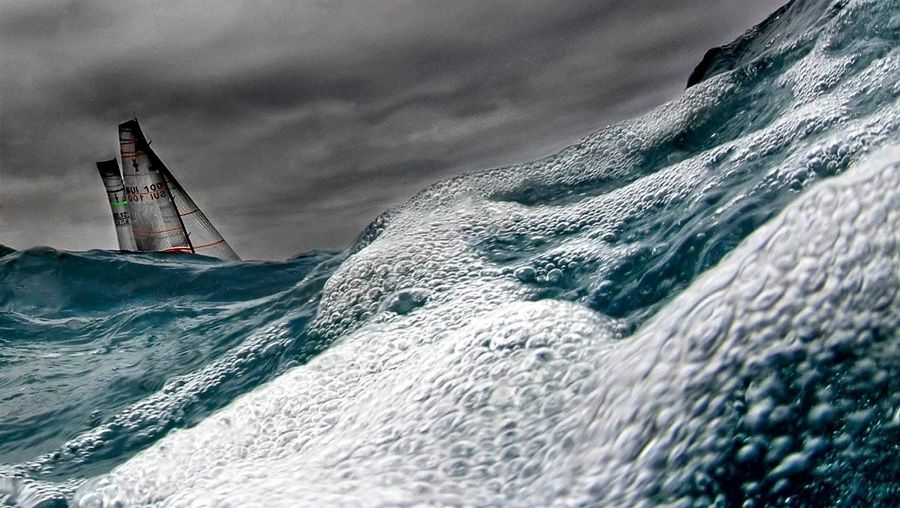
He also changed the visual language of the America's Cup. Long before drones and stabilised video became commonplace, Carlo was finding fresh angles that revealed both the scale of the boats and the personalities aboard them. Owners, sailors, designers and organisers trusted him because they knew he understood their world.
The awards followed in kind. He received the Omega Award for Best Sports Photographer, won the Grand Prix de l'Image Course au Large in Paris and was recognised by Italian President Giorgio Napolitano for his longstanding contribution to sailing. At the 2007 ceremony, President Napolitano said: "Per i molti anni di intensa attività a favore del mondo della vela" ("For the many years of intense activity in support of the world of sailing.") His exhibitions in Paris, Milan and elsewhere confirmed that his photographs belonged as much in museums and galleries as they did in the yachting magazines he contributed to around the world.
Despite international acclaim, Carlo remained unmistakably approachable. Around every media centre and America's Cup dock he was known for his warmth, humour and boundless enthusiasm. Young photographers sought his advice. Sailors greeted him as a friend, many with genuine reverence, given the depth of his knowledge and the scale of his impact.
Few photographers have become so intertwined with the identity of a sport. Mention the America's Cup over the past forty years and, in countless minds, the images that appear first are likely to be Carlo Borlenghi's. His legacy is measured not only in the millions of photographs he leaves behind, but in the way generations of sailing fans came to understand the beauty, speed and drama of the Cup through his eyes and his lens.
Carlo Borlenghi is survived by his wife Alessandra, his family, and an international sailing community that owes much of its visual history to his extraordinary talent.