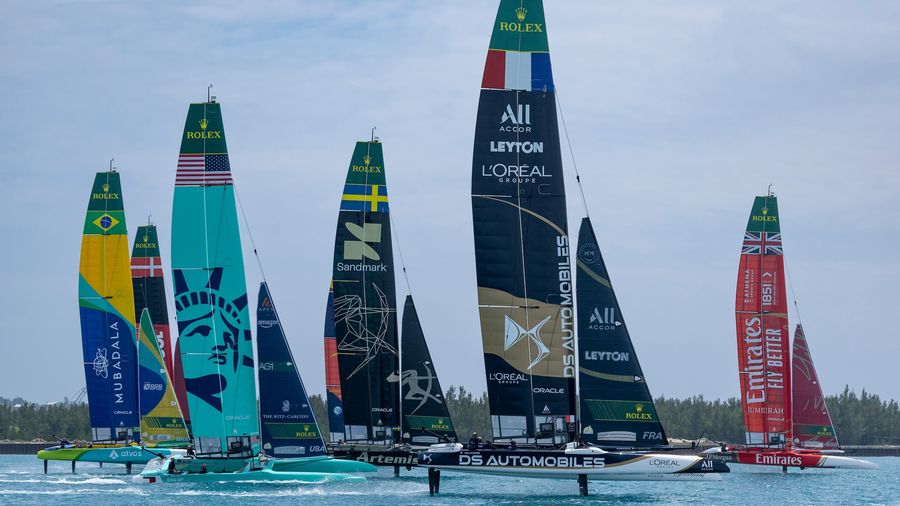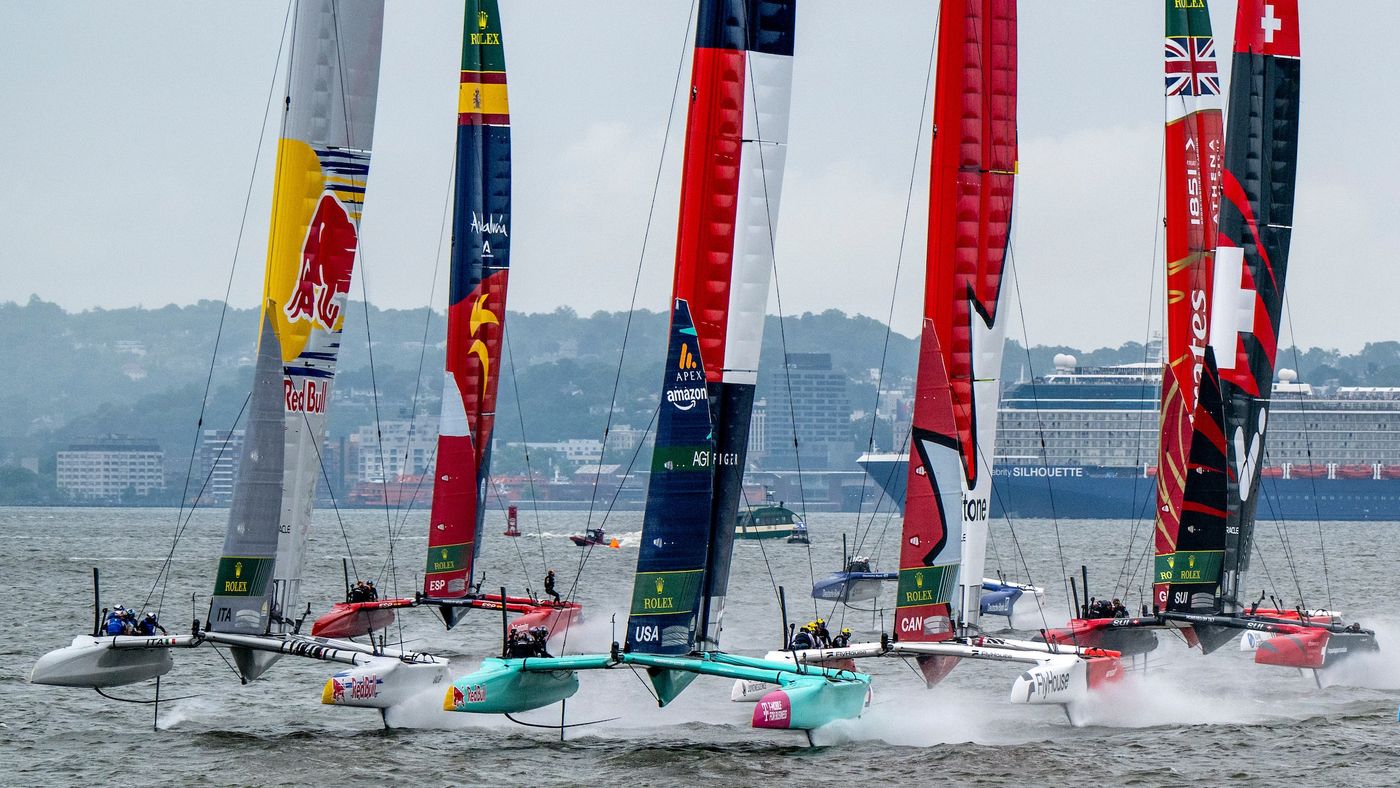
Taylor Canfield's American squad have produced one of the genuine turnaround stories of the season. Last place in 2025 has given way to a serious shot at the Grand Final, and the numbers behind that shift are hard to ignore.
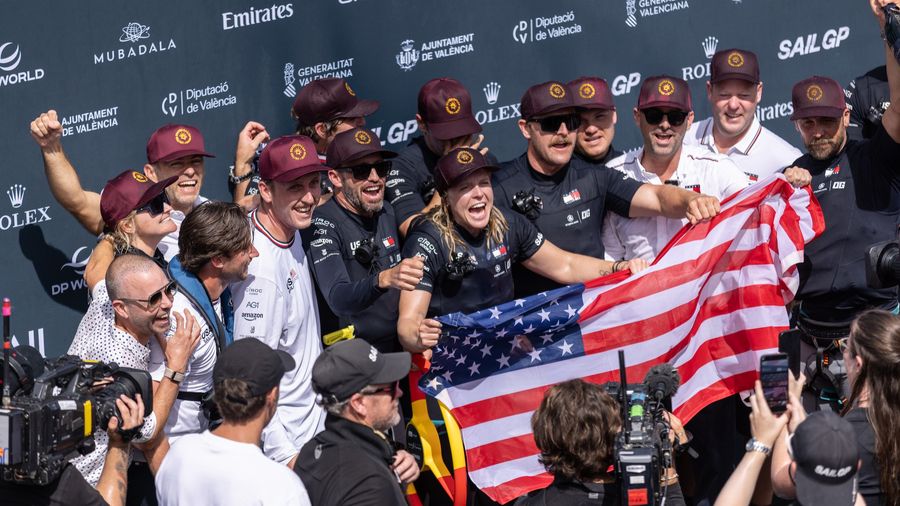
The errors and back-of-the-fleet finishes that dogged last season are largely gone. In their place, two event wins, in Sydney and in Valencia, both sailed in light air. That makes the U.S. one of only four teams to win an event this season. But there's more to the improvement than those two results on a scoreboard.
Start speed off the line has jumped 25 percent, from 32.35km/h in 2025 to 40.38km/h this year. They're also crossing almost a second sooner, and their average Mark 1 position has improved by close to 2.5 places. Sharper starts mean cleaner air, and cleaner air means they can get out front and stretch a lead. Average boat speed is up from 38.25km/h to 43.8km/h, and flight-time consistency has climbed from 59.7% to 74.8%.
Those two wins came in light breeze, which might suggest a team suited to one set of conditions. The data says otherwise. In medium airs, their average finishing position has improved from 8.48 to 4.9. Light winds remain their happy hunting ground, improving from 5.56 to 3.95, with flight time in those conditions rising from 30.7% to 46.4%. Staying airborne longer than the opposition is proving a real weapon when other boats are struggling to keep foiling.
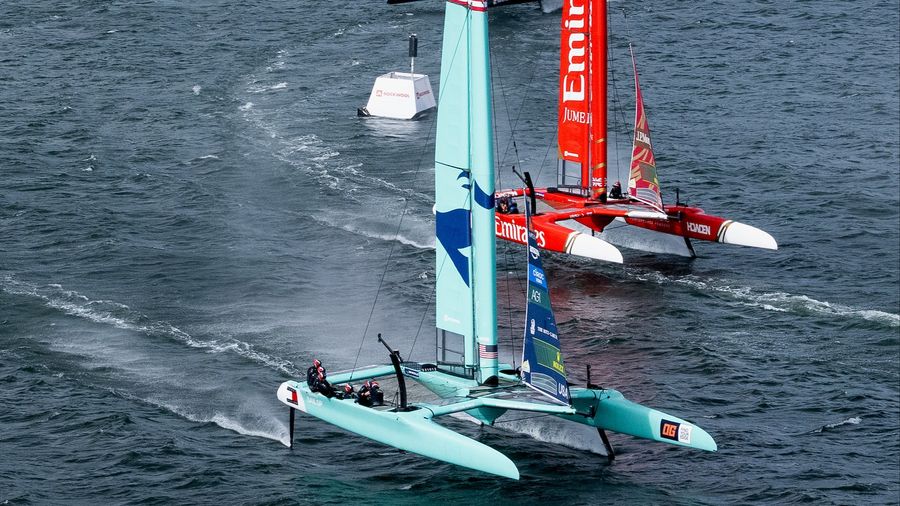
By Geneva, the season's 11th event, the Americans had made themselves genuine contenders. Third overall, holding the last Grand Final qualification spot. Just one point separated them from Artemis in fourth, with three events left to run. Nothing was settled.
Then came the setback nobody saw coming.
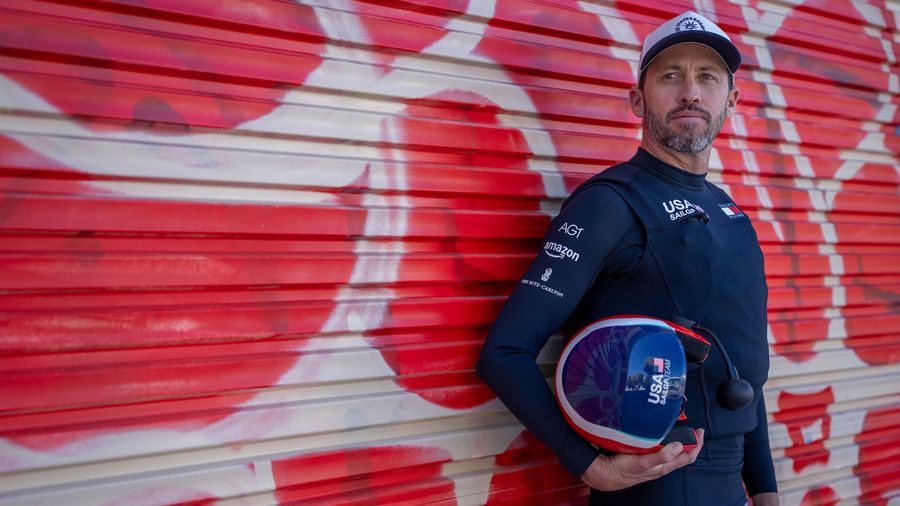
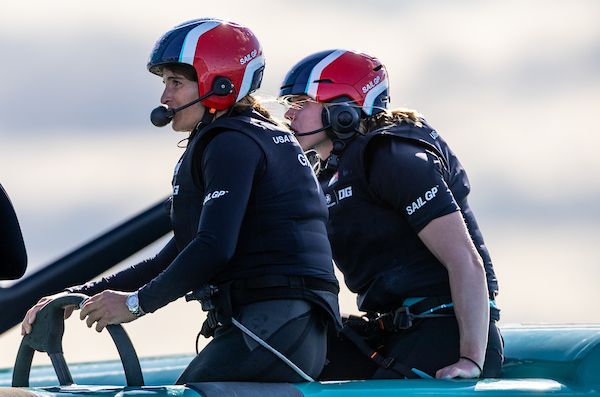
Canfield was injured and would miss Geneva altogether, with no timeline on his return. The full picture wasn't clear yet, but the immediate problem was plain: no driver, at the worst possible moment. Two-time Olympic champion Martine Grael, formerly of Mubadala Brazil, stepped into the breach. Racing alongside grinder Anna Weis, the pair made history as the first two women to race together. Grael had barely any preparation time and an unfamiliar crew around her, yet she handled tricky, light conditions, with average wind speeds under 10.5km/h across the weekend. There was a flash of real quality in race A3, where she nailed the start and the approach into Mark 1 to finish second behind Spain. But a 13th-place result overall left the U.S. with zero points from the event.
The full story emerged once Geneva was done and dusted. Canfield had been hit by a moving vehicle while out cycling, breaking his collarbone. Surgery followed, then a hard rehabilitation programme, and he was back with the team in Dubai, right when they needed him most.
The standings shuffled further while all this played out. Reigning champions Los Gallos had already booked their Grand Final place with an event still in hand, but the last spot stayed up for grabs. Artemis moved up into third, dropping the Americans to fourth. They've lost just one place, but now sit three points behind the Swedes and three ahead of Emirates GBR in fifth.
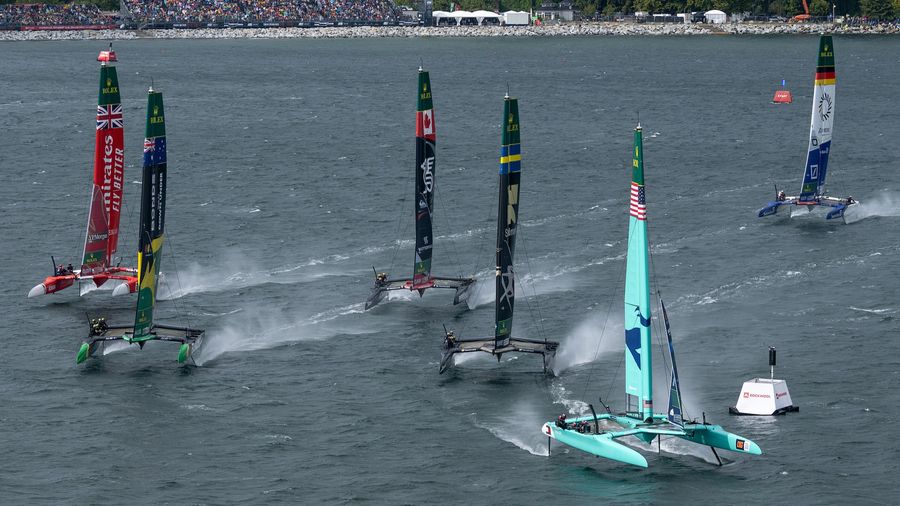
Dubai means fighting on two fronts: chasing Artemis for third, while defending against the 2025 champions breathing down their neck. It's not an easy draw either, with Great Britain and Spain both in their group, alongside two-time Dubai winners the Black Foils and NorthStar Canada.
Whether Canfield can walk straight back into the cockpit and recover lost momentum is the question hanging over the whole campaign. Dubai and Abu Dhabi will provide the answer.