There is a quiet danger lurking close to shore, and this summer Maritime NZ is bringing its safety message right to the water's edge so boaters encounter it before they cast off.
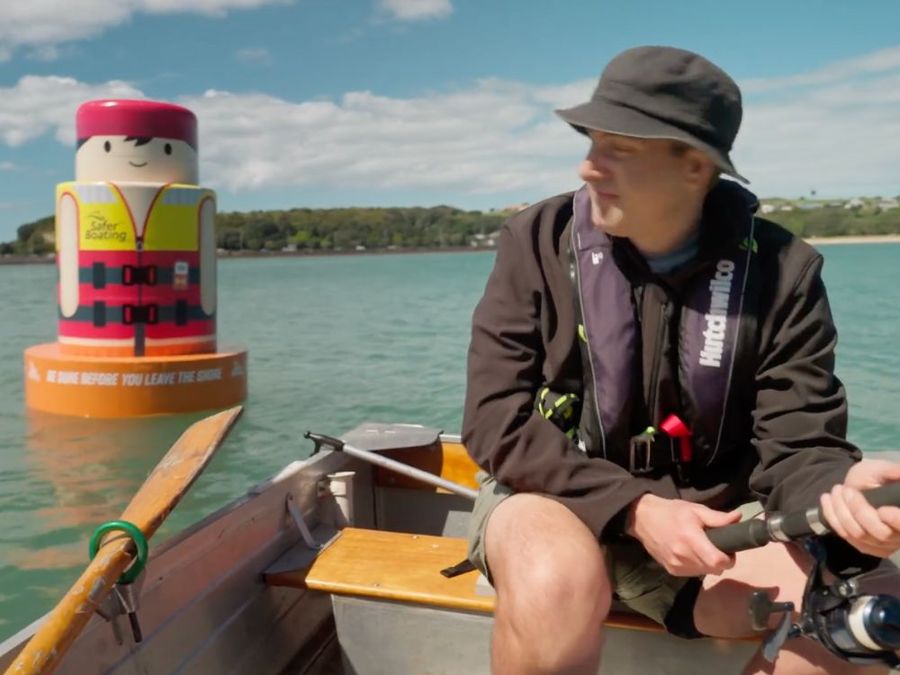
The campaign centres on Buoy-Boy, a cheeky, eye-catching creation developed in partnership with creative agency Federation. Bright, buoyant, and hard to ignore, Buoy-Boy bobs near the shoreline in harbours, at beaches, and beside boat ramps across Aotearoa, delivering his message to skippers precisely where the risk is greatest.
Federation's team were drawn to the campaign because the subject matter resonated with them personally. Managing Director Olly Walker-Boden explains what attracted his agency to the brief.
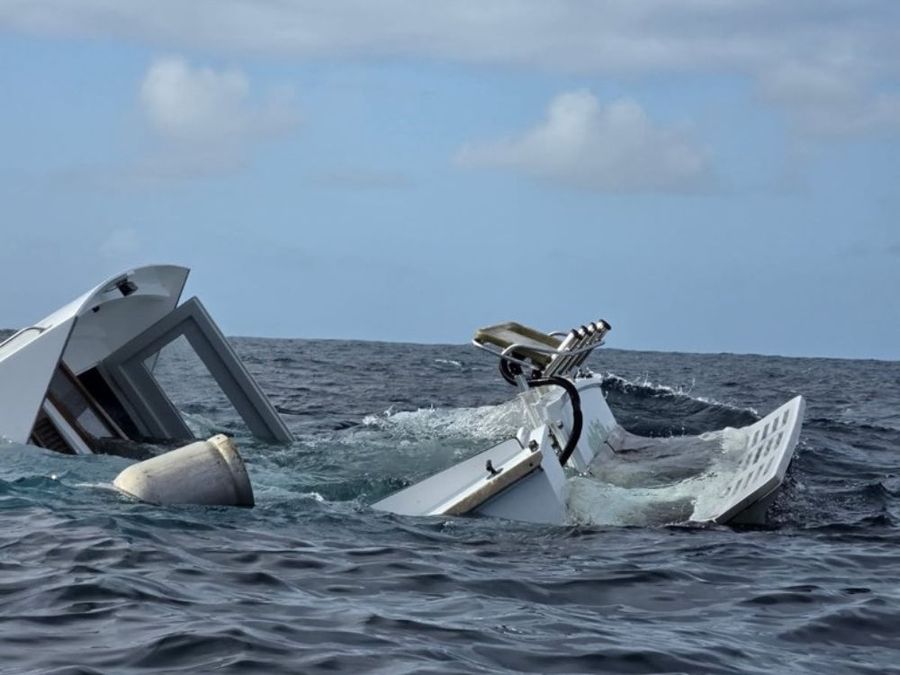
"Not enough Kiwis know that most boating accidents in New Zealand happen within just a few hundred metres of land, not far away on the open ocean. It's why we took the location where the problem happens most, the sea closest to shore, and made it our media platform, connecting the message to boaties right where they are."
That thinking, rooted in the behavioural science of visual priming, is central to why Buoy-Boy works. Rather than broadcasting a warning from afar, the campaign plants its reminder in the very environment where complacency is most likely to creep in. Proximity to land, it turns out, offers no guarantee of safety.
Adrian Stephenson, Senior Advisor for Communications and Marketing at Maritime NZ, points to the sobering reality that made a bold creative approach feel necessary. "Safer boating is about saving lives through awareness and action," he says. "Buoy-Boy helps us do that with instant impact right where our boaties are. Capsizes and falls overboard remain the leading causes of recreational boating fatalities, and all too often they happen close to home in small craft. Buoy-Boy is a simple, visual reminder of the rules for staying safe on the water."
Those rules amount to three clear actions every skipper should take before heading out: wear a lifejacket, check the marine forecast, and carry two forms of communication. By wrapping that message in humour and positioning it somewhere unexpected, the campaign manages to be both disarming and direct.
Early indications suggest the approach is connecting with people. Stephenson says the public response has already been outstanding. "People are photographing, sharing and talking about Buoy-Boy, turning a serious message into something social and memorable that saves lives."
More than ten Buoy-Boys are now deployed across the country as part of the wider Water Safety Month campaign, with video, radio, social media, weather updates, and merchandise all reinforcing the core message. Passing a snap of Buoy-Boy on to fellow boaties is another simple way to keep that message travelling through the community this summer.