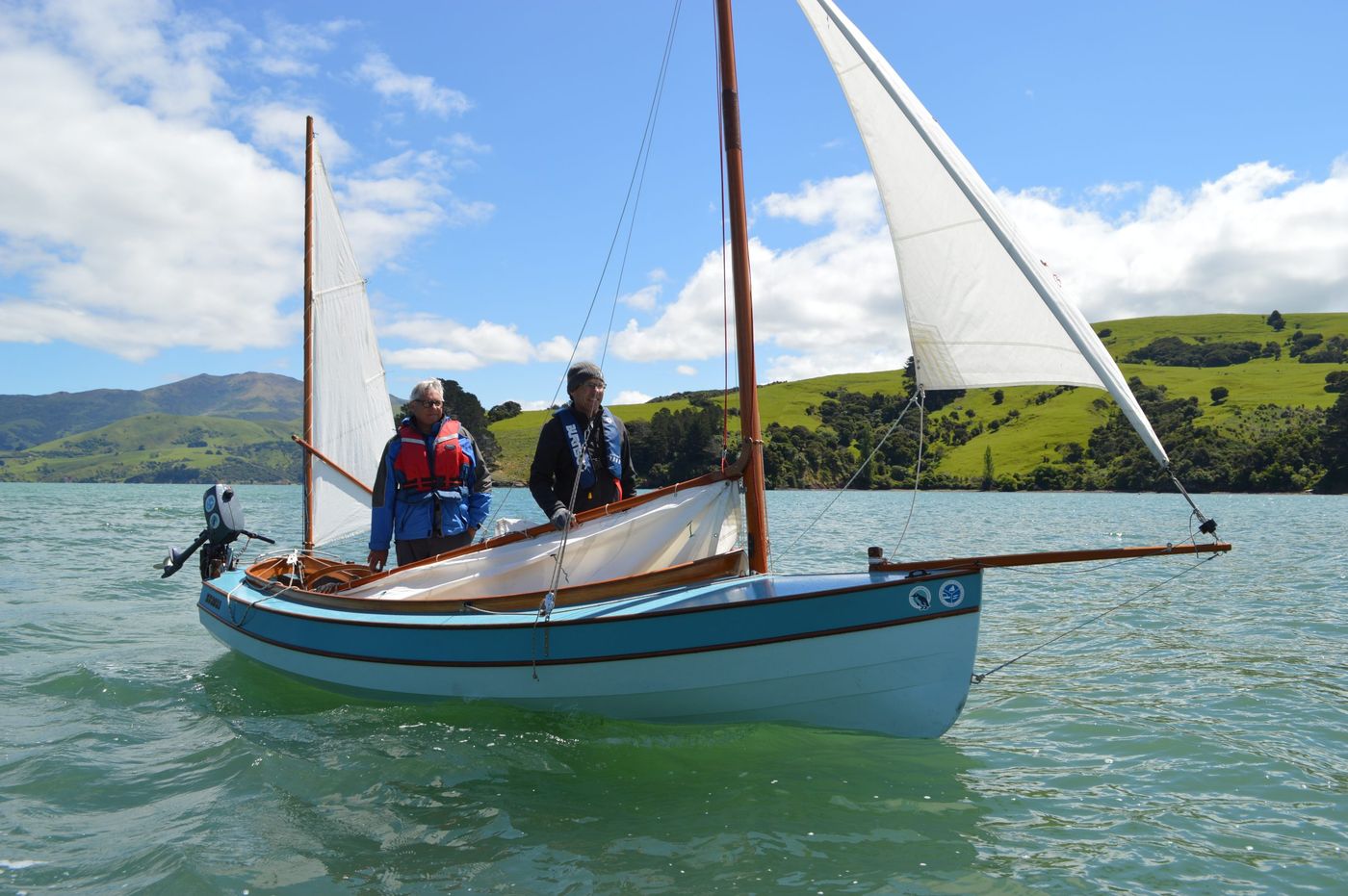
Amid the spectacle of the Auckland Wooden Boat Festival this week, it is easy to be drawn toward the grandest vessels afloat. Step away from the crowds and a quieter narrative takes shape, built around a growing number of people who are returning to the deeply satisfying practice of constructing their own boats from timber and determination.
The appeal is difficult to articulate to anyone who has not done it. You choose the timber, cut the panels, drive the fastenings, and watch a hull take form under your own hands. For much of the twentieth century, this was simply what people did. Backyards and garden sheds across New Zealand turned out dinghies as a matter of routine, and yacht clubs launched their fleets on the strength of home construction. Fibreglass eventually changed the equation, and the tradition slowly retreated from view.
What is happening now, without great fanfare, is a revival.
The festival on the waterfront this week makes that shift tangible. Visitors encounter handbuilt craft from decades past, hear from designers who have spent their careers championing amateur construction, and learn about kitset options that place DIY boatbuilding within reach of almost anyone willing to commit the hours. Each strand points toward the same conclusion: building your own boat is no longer a relic of a vanished era.
The Zephyr class dinghy sits near the heart of this story. A 3.35 metre singlehanded centreboard yacht, the Zephyr was designed in 1956 by legendary New Zealand designer Des Townson. The intention was practical rather than grand: a responsive racing dinghy affordable enough for any sailor to build and campaign without financial strain. Nobody at the time could have predicted it would still be filling race courses seventy years on.
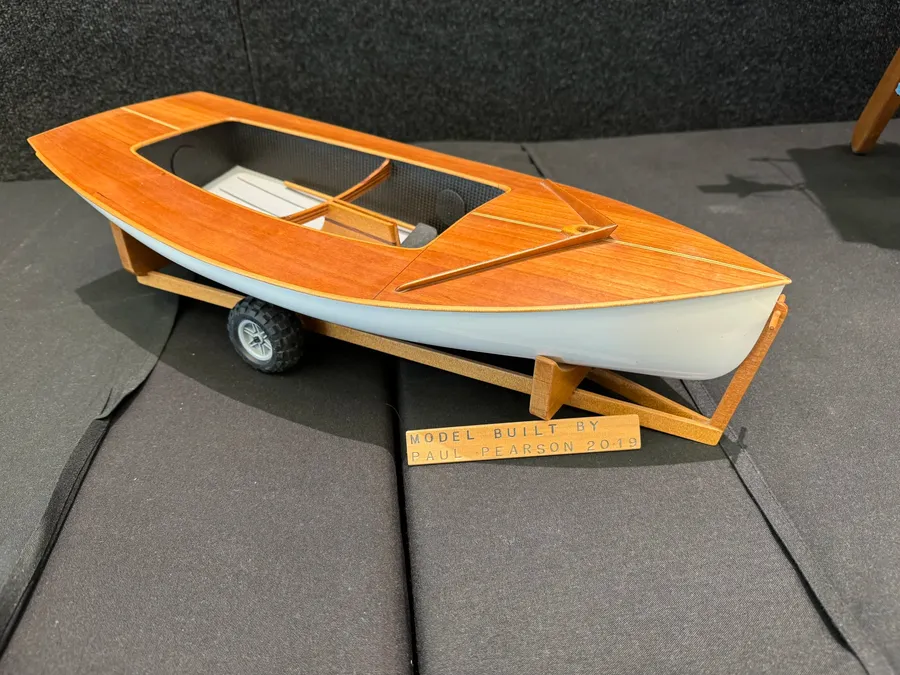
More than 300 Zephyrs have been built across those decades, first in timber and later in fibreglass as well, with the design remaining true to Townson's original concept throughout. The class continues to attract sailors across a wide age range, drawn by a combination of competitive sailing and genuine craftsmanship. Owners restore older wooden hulls, commission fresh builds, and maintain the class rules with the kind of vigilance that keeps a designer's intentions alive across generations.
The festival timing carries particular meaning this year. Over the festival weekend, Howick Sailing Club will host the 70th Zephyr Nationals, with competitors travelling from Central Otago to the Far North to race on the Tāmaki Strait. The Zephyr's seven decades of continuous racing are compelling evidence of what a well-conceived design can achieve when a community decides to protect it.
If the Zephyr illustrates what amateur boatbuilding has already delivered, designer John Welsford points toward where it is heading next. Welsford will present a seminar at the New Zealand Maritime Museum on Saturday 14 March from 10am to 11am, addressing a subject he has spent decades refining.
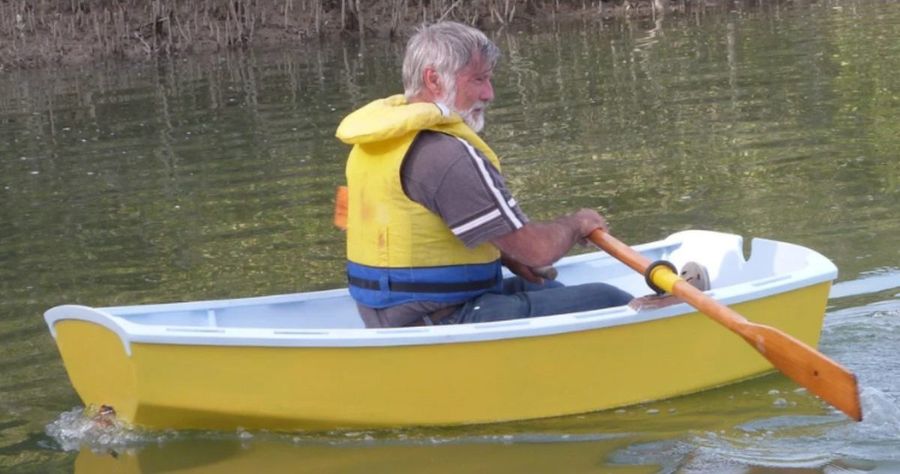
Based in Rotorua, Welsford is recognised internationally for producing practical sailing and rowing boat designs aimed directly at people who want to build with their own hands. His guiding principle has always been clear: design boats that ordinary people can actually construct. That philosophy has attracted hobbyists ranging from first-time builders to seasoned craftsmen across many countries over many years.
His presentation draws out the reasoning behind this approach: construction methods that require no specialist training, honest performance under sail and oar, genuine seaworthiness, and the kind of understated beauty that good wooden design tends to produce as a natural consequence. Several of his designs have taken their builders considerably further than a sheltered weekend sail. The Navigator, a 4.5 metre cruising dinghy and among his most popular designs with more than 700 sets of plans sold, has been used for coastal cruising, extended exploration, and serious long-distance voyages. It fits within a single garage and can be built from marine plywood with relatively modest carpentry skills, which is precisely the point. For many who undertake the project, the experience of construction proves to matter every bit as much as the boat that results from it.
That observation applies equally to a newer development in the amateur boatbuilding world. While traditional plans still attract those confident enough to work from scratch, kitset boats are opening the practice to a broader audience. Form & Float, a New Zealand company founded by boatbuilder Simon Justice in late 2024, is a clear signal of where things are moving. The company offers flat-pack kits for a kayak, a traditional dinghy, and a small catamaran. Each kit arrives with pre-cut marine plywood panels and thorough instructions, and the hull can be assembled using basic tools in a modest workspace.
The builds are designed to be genuinely achievable rather than aspirationally so. A catamaran kit typically takes around 35 to 40 hours to complete, meaning a committed builder could realistically be on the water within a week of opening the box. Justice is candid that the attraction reaches well beyond simply acquiring a boat. Parents are building dinghies alongside their children. Retirees are finally acting on ambitions they have carried for years. Younger builders are putting together affordable craft for fishing, diving, or exploring sheltered stretches of coastline. In many of these cases, the story of the build becomes inseparable from the vessel itself.
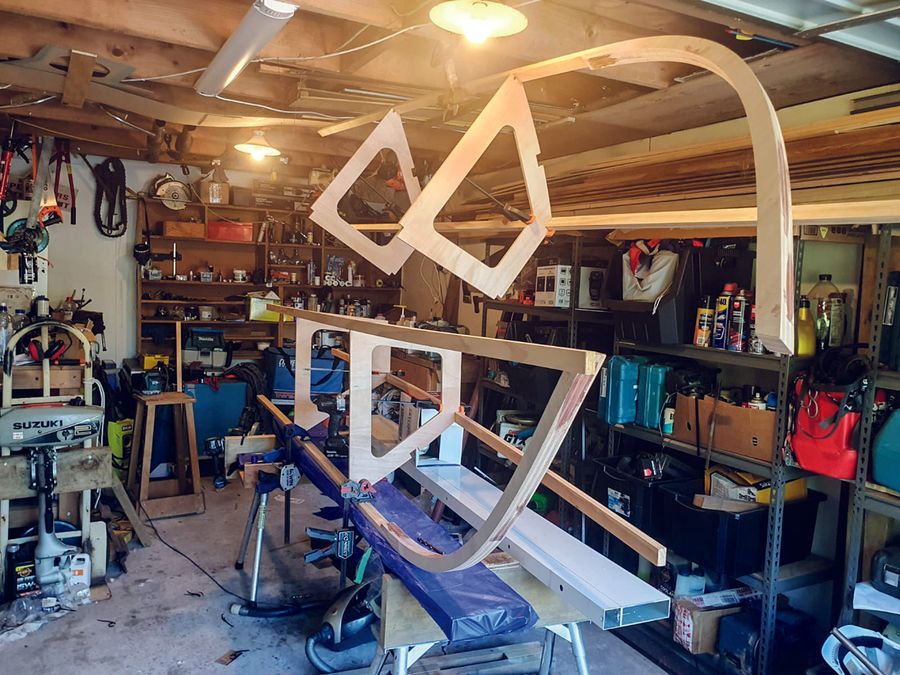
The Zephyr's seventy-year run, Welsford's internationally distributed designs, and the emergence of companies like Form & Float are not coincidental developments. Taken together, they reflect a genuine shift in how a growing number of people want to engage with boating, not as consumers selecting a finished product from a yard, but as makers who want a real and personal connection with what they sail.
Wood is frequently the chosen material, and the reasons are not difficult to understand. The process builds practical skills, develops confidence, and creates a relationship with the finished boat that no purchase can replicate.
At the Auckland Wooden Boat Festival this week, that spirit is present at every turn. Some of the boats on show were built a generation or more ago and have survived through careful maintenance and enduring affection. Others are recent, shaped by classic designs interpreted with fresh intent. What every one of them shares is a common origin: not a factory floor, but a shed, a garage, or a backyard workshop, where someone selected their timber, picked up their tools, and began.