Docking in a marina looks deceptively easy when you're watching from the pontoon. Back when we kept our boat at Gulf Harbour Marina, I used to admire the skippers who glided into their berths with barely a wobble, bow thrusters quietly doing the heavy lifting. It was only when I walked the pier that I noticed the grazes and dings in those same boats' gelcoat. Without a thruster, the margin for error shrinks fast. A momentary misjudgement, a gust arriving at exactly the wrong time, and suddenly there's a very unwelcome conversation between hull and pontoon. Sometimes barely a whisper, other times a contact loud enough to make the heart rate spike. I inspected our hull constantly for new marks. A boat is a point of pride, and every blemish feels like a personal failure.
Fenders became second nature almost immediately. Approaching a berth, pulling alongside a wharf for diesel, inching through a tight marina, out they came without a second thought. They're not a glamorous piece of kit, but nothing else on board has saved our gelcoat as reliably or as often. Keeping them within easy reach is simply Boating 101.
So what's actually out there? Which fenders suit which boats, and how do you make sure you're using them correctly?
Every approach to a dock involves three things competing at once: your boat, the berth, and whatever the wind or tide is doing. Fenders sit in the middle of that negotiation, absorbing load and giving you room to get things under control. Well-chosen fenders spread the pressure across a wider area and buy precious seconds. Too few of them, or fenders set at the wrong height, and the hull simply takes the punishment instead.
Most scrapes occur in the same familiar circumstances. A crosswind pushes you in harder than expected. A tight marina forces you to shuffle sideways. You're rafted up and another boat's skipper misjudges their approach. None of these situations require you to festoon the whole boat in rubber, but they do demand enough well-placed fenders to match the way you actually berth.
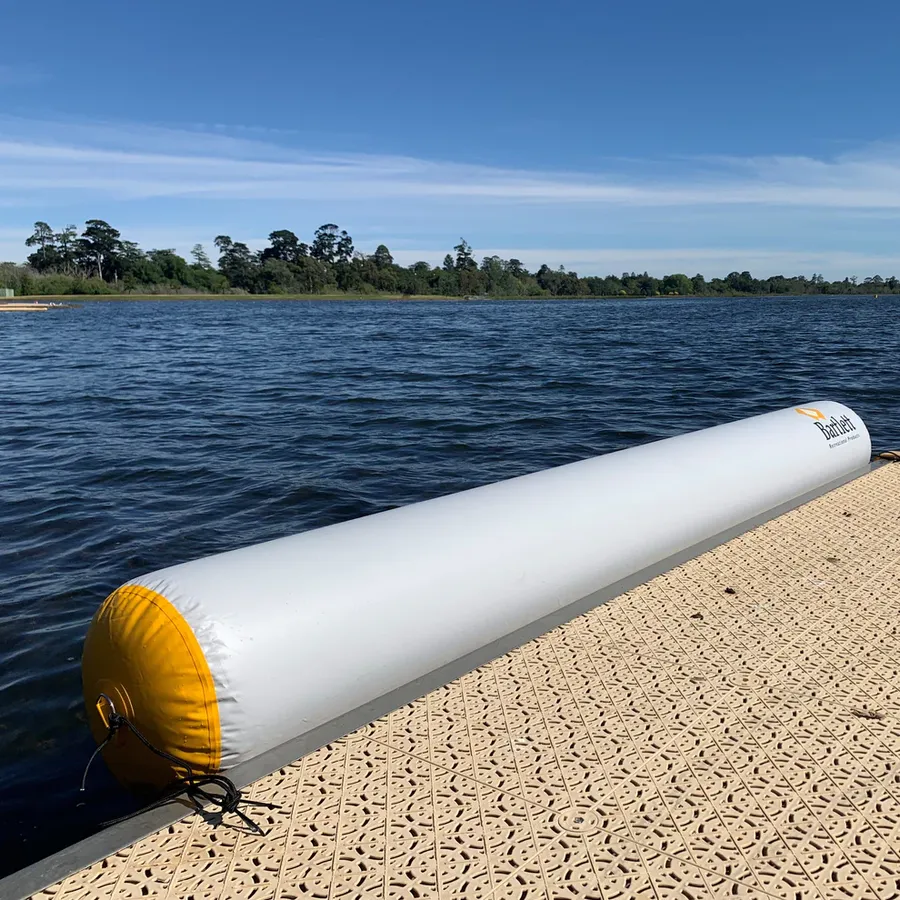
The cylindrical sausage fender remains the most commonly seen option on New Zealand boats. Standard versions have an eye at each end for rigging. Centre-hole models pass the rope through the middle, which lets you rotate or slide the fender along a rail as conditions change. A useful habit is to keep a pliable line tied to at least one end, giving you the flexibility to reposition quickly. These fenders suit most launches and keelboats well, and their inflation pressure can be adjusted to match different boat weights. Heavier vessels with taller topsides need larger diameters to do the job properly, while trailer boats can manage with smaller ones provided they use enough of them.
Ball fenders earn their place around bow piles, high piers, and in raft-up situations. Sitting further out from the hull, they bridge over rough or uneven surfaces that would simply compress a cylindrical fender flat. Many skippers carry at least one specifically for those awkward angles or crowded raft-ups where a standard fender doesn't quite cut it.
Runabouts, RIBs, and centre consoles present a different challenge. Their low freeboard means standard fenders often end up at the wrong height entirely. Fenders designed for low freeboard boats hook over the gunwale and drop the contact point right down toward the waterline where it's actually needed. These also work well on tender bows, stopping the dinghy from chewing into a transom while under tow.
Swim platforms and square transoms take the first knock when backing into a berth. Corner pads and transom fenders are built to spread those impacts and protect the edges and corners most vulnerable to cracking. For any boat that stern-berths around piles or concrete, they're not optional extras.
Inflatable fenders are effective until they meet barnacles or rough timber, at which point their limitations become obvious. Foam and EVA fenders sidestep that problem entirely, since they can't deflate. They sit neatly along the hull or dock, work well as backup protection, and stow without fuss under a bunk or along a cockpit side.
Older New Zealand marinas often feature raw timber piles or rough concrete edging. A fender board hung outside two or more cylindrical fenders takes the abrasion directly, keeping the hull well clear of the surface beneath. Dock bumpers work on the same principle from the opposite direction, offering permanent protection to the berth itself rather than the boat.
Working out how many fenders to carry is straightforward enough. A reliable rule of thumb is one fender per three metres of hull, plus a spare. An eight to ten metre boat should have at least four good ones aboard. If rafting up is a regular part of your boating, doubling that number is worth the locker space.
Size matters just as much as quantity. Boats under six metres can get by with smaller fenders, while those in the six to ten metre range benefit from medium sausage fenders and at least one ball fender for the bow. Anything over ten metres needs larger, high-volume fenders with enough length to provide genuine coverage along the topsides. When in doubt, go one size up. A single well-sized fender will outperform several undersized ones every time.
Having the right fenders means nothing if they're rigged incorrectly. A few consistent habits make a real difference. Rig them before you arrive, not when you're already committed to the approach. Set the height so that the fattest part of the fender sits at the actual point of contact with the dock. Keep lines short enough that the fender can't swing out of position at the critical moment. Fender covers are worth considering too: they protect the gelcoat from marking and eliminate the squeaking that carries across a quiet marina at two in the morning.
Where you store fenders matters as well. Grabbing them quickly in a hurry is far easier if they're accessible rather than buried in the forepeak while the wind is pushing you sideways.
Any fender showing serious structural wear, deep cracking, heavy rusting, or signs of distortion has done its job and needs replacing. With the summer boating season approaching, take a moment to check that what you have on board is actually up to the task, and that you have enough of it.
The fender world isn't standing still either. Foam-filled, no-puncture fenders that first appeared on superyachts are now showing up on Kiwi motor yachts and launches berthed in surge-prone marinas. They cost considerably more than standard inflatable versions, but their ability to handle rough piles, barnacles, and accidental contact without failing makes them worth considering for boats in demanding berths.
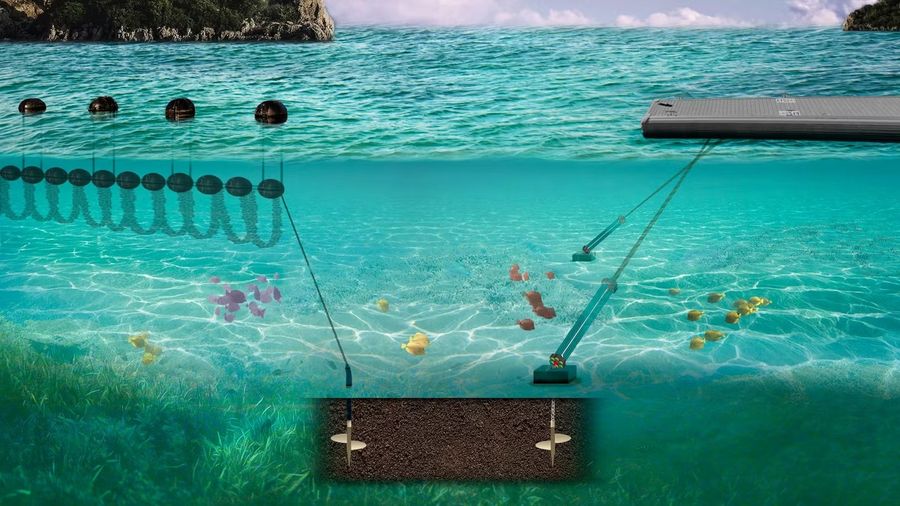
Elastic mooring systems are another development worth knowing about. Some moorings now use elastic risers that stretch under load, softening a boat's movement and reducing the sharp snatch forces that cause damage to cleats and mooring gear. They don't replace fenders, but they address a different part of the same problem.
In the wider marina world, the technology behind commercial smart fender development is already influencing the materials used in everyday berth construction. As UV resistance and durability improve, New Zealand marinas will gradually shift toward dock edges that are more forgiving by design, needing less frequent replacement after severe weather. The direction of travel is toward systems that are easier on hulls all round.