Boat camping puts the bach on tour
Drop the hook in a sheltered cove, listen to the anchor snub tight, and let the boat settle. The beach curves ahead, smelling faintly of salt and bush, and adventure is already in the air. Within ten minutes there's a kettle on, a tent or swag rolled out above the high-tide mark, and the boat has quietly become pantry, shed, and gear locker all at once. Everything beyond the waterline is your campsite.
What makes this style of travel genuinely addictive is the rhythm it imposes. You arrive with the tide, sort the anchor, ferry gear ashore in the dinghy, and square the camp away before dusk. Then the magic hour arrives: kids running the wash, someone coaxing the cooker to life, a mate threading a line through rod rings for one last cast at sunset. Simple jobs, clear priorities, and the promise of a calm night if you got the setup right. That is boat camping at its most honest.
There is no single way to do it, which is much of the appeal. The style of trip that suits a minimalist with an open tinny is completely different from what works for a family aboard a cabin cruiser, and both are right.
Onboard camping
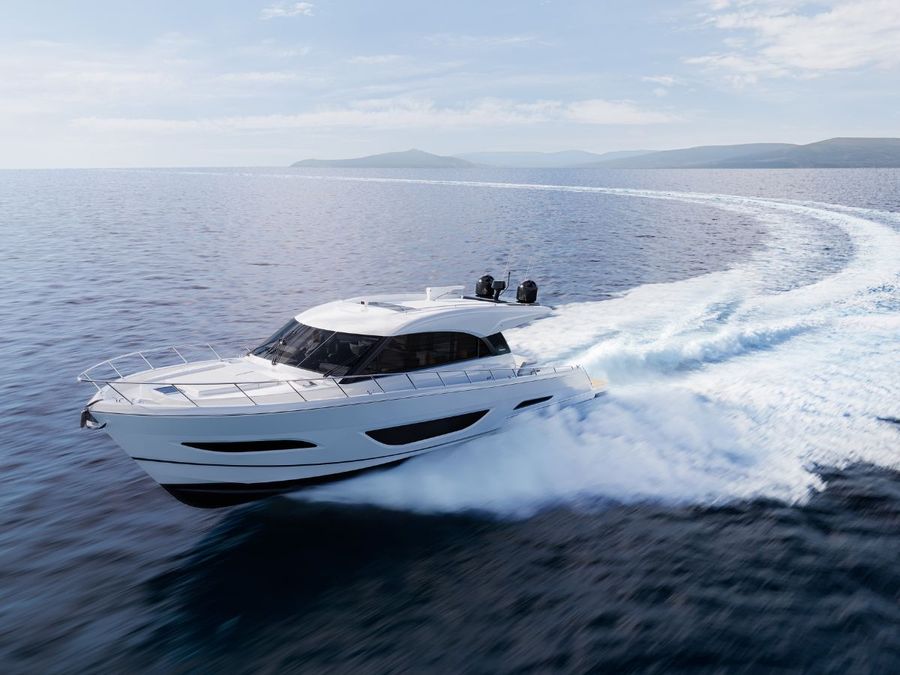
Larger vessels, whether cabin cruisers, trawlers, or yachts, turn boat camping into something close to glamping on water. Bunks, a galley, shelter from whatever the night throws at you. Sleep arrives easily when you can hear the anchor chain creak and the tide gurgle beneath the hull. Crack a hatch for a breeze and you may wake before dawn to kahawai finning in the half-light.
Rooftop tents afloat
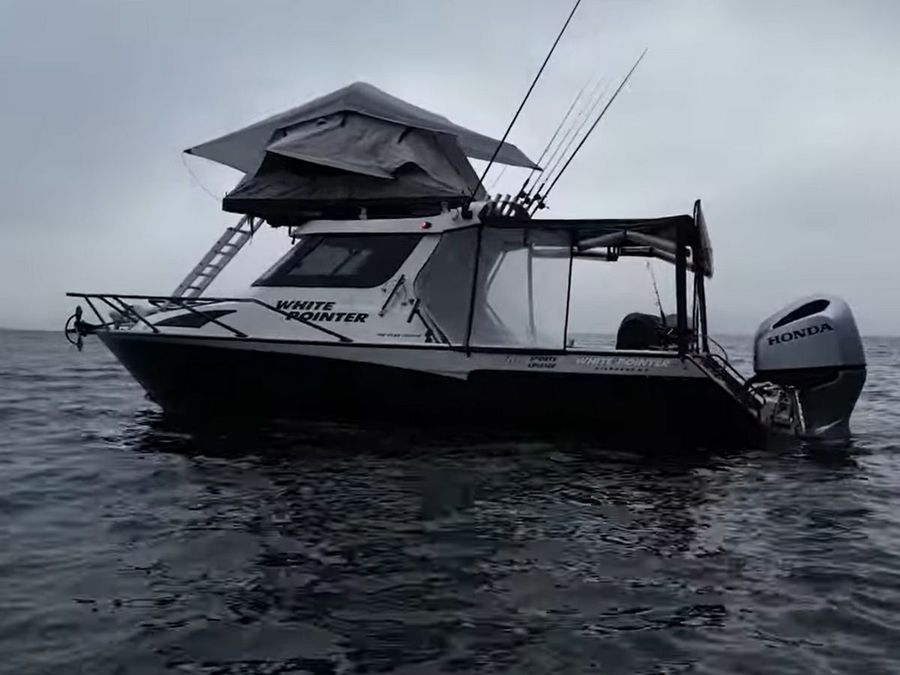
An increasingly popular approach is fitting a rooftop tent to the vessel, creating a kind of floating caravan. With marine-grade mounting hardware, these tents can be rigged on launches, pontoon boats, or larger tinnies, giving everyone a dry night's rest without sacrificing deck space. Unzip at first light, swing your feet down, and the whole bay belongs to you before the first ferry stirs the water.
Boat-in camping
Open boats and inflatables suit the classic approach: run into a remote beach, unload the gear, and pitch a tent ashore. Expect sandy feet, clothes that smell of smoke, and wide grins. Each trip you'll carry a little less as you work out what actually matters. A decent pillow, it turns out, always matters.
Kayak and canoe camping
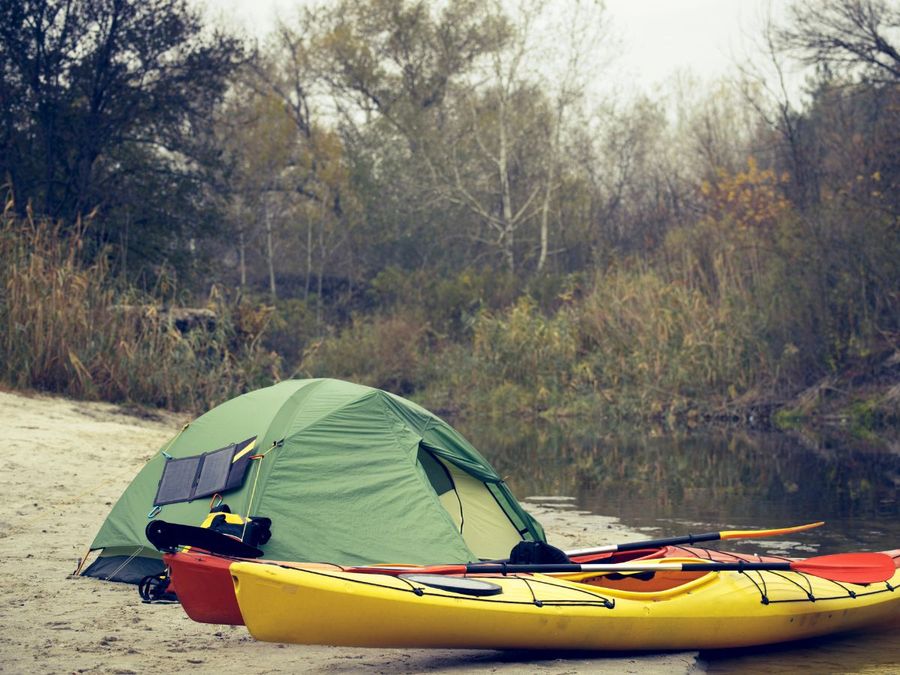
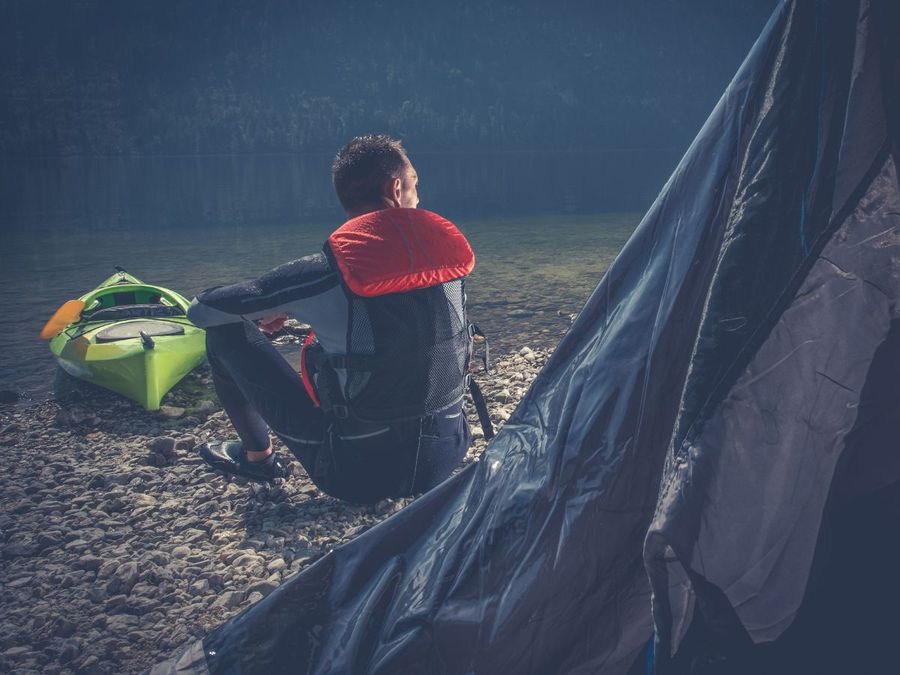
Paddle-powered camping runs at a slower, quieter pace than anything engine-driven. Kiwi kayakers can work the coastlines of D'Urville Island or the Bay of Islands; Australian paddlers trace mangrove channels through Moreton Bay or drift the broad reaches of the Murray. Moving slowly enough to watch stingrays lift from the sand or shags explode off rocks, you end each day with a neat pile of dry bags and a view shared with no one else.
Planning before you go
Even a single overnighter needs a degree of preparation. Conditions shift quickly out on the water, and the nearest shop is nowhere near the corner.
Before departure, chart your route properly. Mark distances, safe anchorages, and workable tide windows. Apps like Navionics and LINZ charts are genuinely useful, but always carry a paper backup in case electronics let you down.
A peaceful night begins with a well-set anchor. Choose sand or mud bottoms, pay out generous scope, then back down gently on the motor to test the set. Once you're satisfied, take a couple of visual bearings ashore and check them again after dinner. Get the anchor light on early, and before turning in, do a sweep of the deck with a torch. Anything loose at that point will spend the whole night clattering.
Packing well means thinking like both skipper and camper at once. Dry bags, waterproof cases, and secure stowage keep gear dry through the crossing. A tarp serves equally well as rain cover or afternoon shade. Layered clothing, a solid torch, and insect repellent belong on every list.
A few comfort items are worth more than their weight: real pillows stowed in dry bags, a light sheet for humid nights and a down bag for cold snaps, a mesh food cover to keep sandflies at bay, and a fold-flat bucket that pulls double duty for dishes and rinsing sandy feet before bed.
Feeding the crew
There is no rule requiring boat-camping food to be plain. A small gas stove or a portable BBQ turns any beach into a kitchen, and the day's catch makes it feel like a proper feast. Steaks and sausages are reliable fallbacks, but always carry non-perishables in case a weather change extends the trip by a day.
A simple two-burner menu might look something like this: snapper or sausages in wraps at sunset, or steak with chimichurri if the crew has earned it; hot chocolate and fruit cake for supper; then coffee, bacon butties, and apples for the boat come dawn.
Making camp properly
Come ashore above the wrack line, then look up before you pitch and check for dead limbs overhead that a night breeze could bring down. Lay a groundsheet, keep sand out of tent zips, and angle the door away from the prevailing breeze. A ridge line between two trees converts a tarp into a sheltered living area when drizzle drifts in off the water.
As the light goes, switch to red lamps and keep camp compact. Boats carry smells, and so does the wind. Cook downwind of your tent and never clean fish near camp, particularly in crocodile country in Australia or anywhere seals haul out regularly. In the Hauraki Gulf, the late-night visitors are likely to be morepork or penguins. In the Top End of Australia, the possibilities are considerably larger and it is best not to tempt any of them.
Once the stars drop toward the horizon, sound carries a long way. The anchor grinding on the bottom, waves slapping the hull, mullet thumping in the shallows: these are good noises. Flapping canvas and rolling pans are not. Tie everything off before you sleep and you will sleep well.
Where to go in New Zealand
The Marlborough Sounds offer hidden coves, bush-lined bays, and DOC campsites spread across Queen Charlotte, Kenepuru, and Pelorus Sounds. Dawn smells of bush and woodsmoke here, and stingrays are a common sight in the shallows.
The Hauraki Gulf puts more than 50 islands within a few hours' cruise of Auckland. Motuihe, Motutapu, and Kawau Island all offer safe beaches alongside designated camping and DOC-managed zones. Choose a spot with afternoon shade and you will be grateful when the sand starts baking.
The Waikato lakes, including Lake Karapiro and Lake Arapuni, have public ramps and freedom-camping reserves such as Little Waipa Reserve. Evenings go glassy on these lakes, and a mozzie coil plus a tarp in a light breeze makes for a fine lakeside evening.
For experienced adventurers, Fiordland delivers solitude and drama in equal measure. A hot drink tastes noticeably better with a waterfall thundering close by. Check the forecast carefully and always leave a trip plan with someone onshore before heading in.
Australian waters worth the trip
The Gippsland Lakes in Victoria form a vast network of lagoons and islands. The best campsites are a short paddle from where you anchor; land light and be away before the afternoon chop gets up.
The Murray River through South Australia drifts between red-gum forests and sandy banks. Nosing the bow in and running a stern line to a tree gives a secure night; kookaburras and coffee greet you in the morning.
Lake Argyle in Western Australia is a remote inland sea ringed by cliffs that glow like embers at sunset. Even during the build-up, pack a warm layer for after dark.
Moreton Bay in Queensland invites island-hopping between Peel, Stradbroke, and Coochiemudlo. A dawn swim followed by coffee is reward enough, and the water is clear enough to make it worthwhile.
The Hawkesbury River north of Sydney offers gentle tides and sandstone cliffs. The tide whispers through mangroves through the night; hang a lantern low over the water and watch prawns flicker in the beam below.
Safety and looking after the environment
In both countries the skipper carries responsibility for everyone on board. Check local bylaws before you go, carry all mandated safety gear, and never underestimate how fast conditions can change.
A fine morning can turn genuinely difficult by mid-afternoon. If you plan to beach your boat overnight, consult the tide charts first. Waking up to find the vessel high and dry on a falling tide is an effective way to ruin an otherwise perfect trip.
Keep communication gear charged with spare batteries, ensure the anchor light is visible through 360 degrees, and use dim red lighting inside the cabin to preserve your night vision.
Before turning in, run through the night-check: anchor holding and light on, rode clear of the prop; stove off and fuel stowed away; food sealed and any fire fully extinguished with the sand cooled over it; tent zipped, lines snug, and shoes somewhere you can find them quickly if you need to move.
When you leave, leave nothing behind. Pack out every piece of rubbish, deal with human waste responsibly, and never clean fish near camp. Use biodegradable soap, keep noise down, and rake out footprints before you push off.
A simple overnight that comes together well
Arrive mid-afternoon while there is still enough water to get close inshore. Anchor in sand and run a stern line ashore. Two dinghy trips move the tent, the kitchen tub, and the chilly bin up the beach. Pitch above the wrack line, rig the tarp for shade, and set the cooker up on a crate. Swim, fish, or read while the light softens. Eat early, wash up, and do your night-check. Set an alarm for the midnight tide change, then sleep properly. At dawn, brew coffee, take a quiet paddle around the anchorage, and have camp struck before the first gust spills down the valley.
Boat camping is not a complicated thing, just a handful of practised moves that open up a big life outdoors. Pack the tent, keep the galley tidy, and bring the right attitude. Start with a short hop for your first night out, get a feel for the rhythm of arrival, camp, and early departure, then stretch the radius on the next trip. From Marlborough to Moreton Bay, the approach stays the same: the water is the road, the beach is the bedroom. Go gently, leave things better than you found them, and you will find yourself coming back to it again and again.