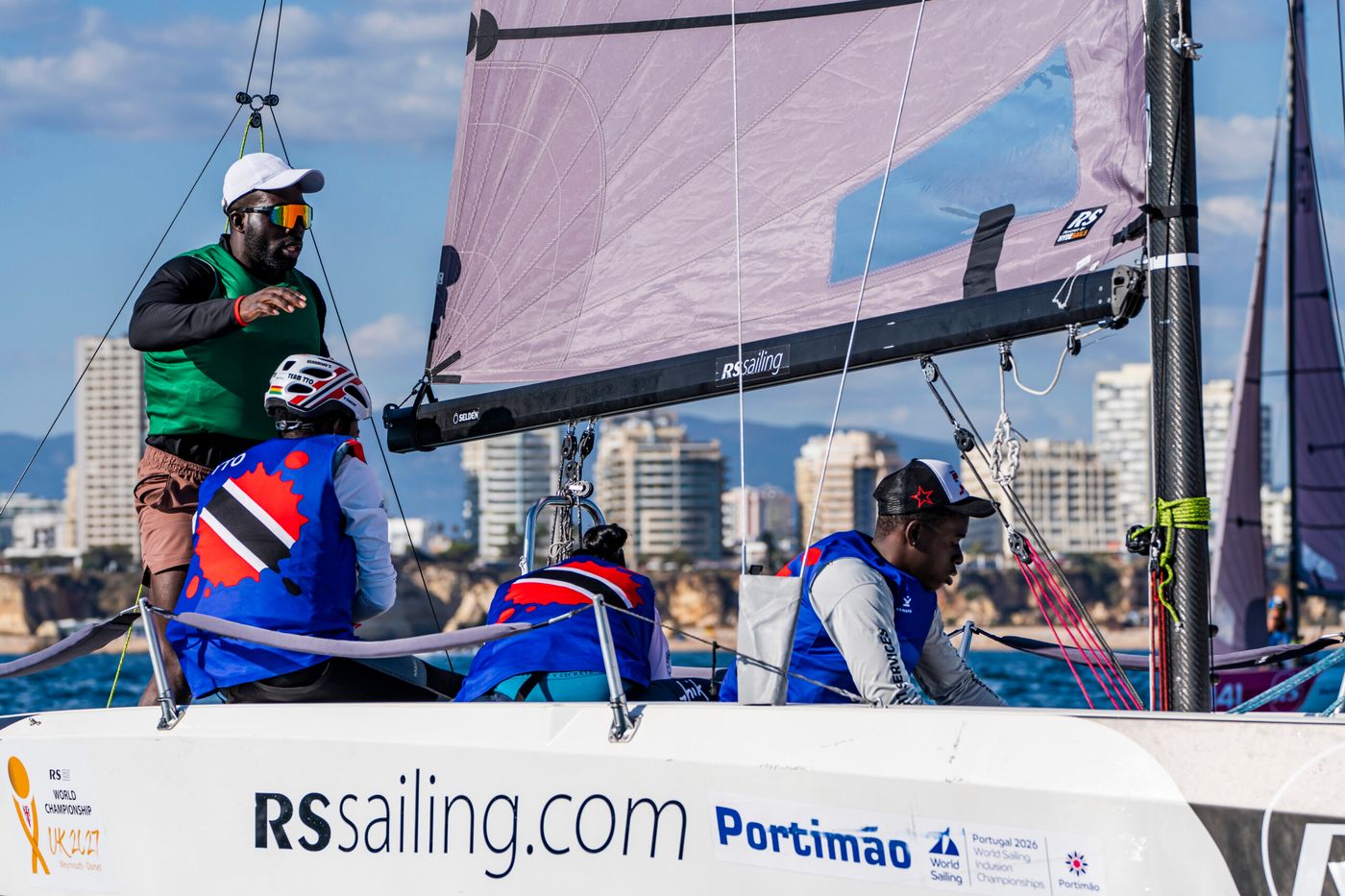
Two debut sailors from Trinidad and Tobago are turning heads at the World Sailing Inclusion Championships in Portimão, and they are doing it with style.
Shannon Madar and Jaidon Vincent came to the sport through an introduction to para sports back home. Day four saw them racing in the Vision Impairment fleet aboard RS21s for the first time on the international stage.
Madar has always had a taste for adventure, and sailing has become an outlet for a thrill-seeking streak that disability was never going to suppress.
"I have been blind from birth, but I often like to joke and say that if I was not blind, I would be the child my parents would worry about, because I like fast cars and I like motorcycles and stuff," she said. "Being able to sail kind of gives me that opportunity that I wouldn't usually have, because I can't go drive a car and I can't go ride a bike. But sailing gives me that kind of freedom."
Vincent feels it differently, but just as strongly. "I love feeling the waves. I love feeling the movement of the boat. I love the sounds of the water," he said.
Their arrival is exactly the kind of progress British sailor Lucy Hodges has been working to encourage. Hodges, Commodore of GBR Blind Sailing and a supporter of Blind Sailing International, currently leads the World Championship standings. She has spent much of the week helping emerging nations settle in.
"I've loved the fact that my team have come out here, and we dedicated our first three days to helping bring all the emerging nations on, Hong Kong, China and Trinidad and Tobago, but also all the other nations that were coming back for the first time since before COVID," she said. "We've now seen Japan back, USA were back. So to me, that's what it's all about, and supporting each other."
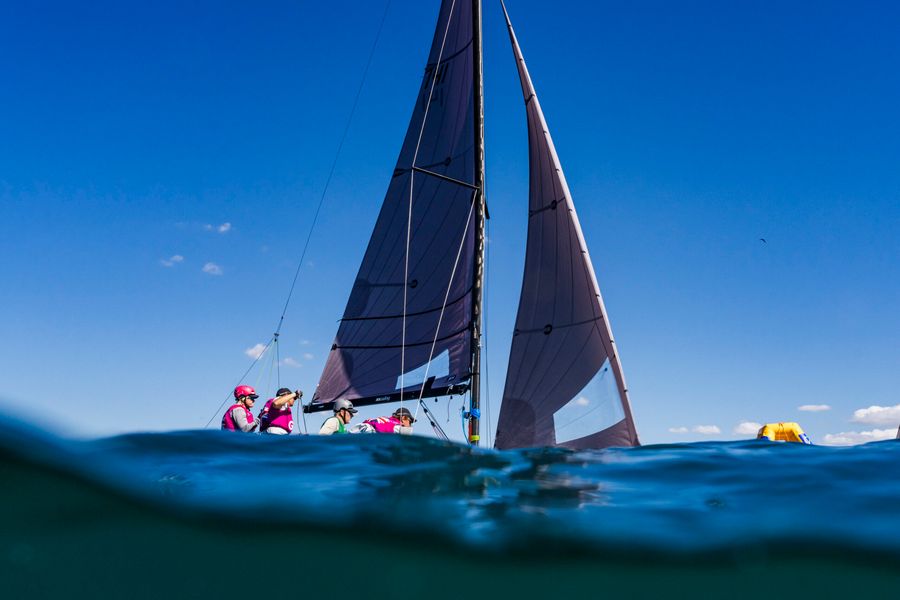
Conditions this week have ranged from light airs to difficult swell, testing communication and trust between crews as much as raw boat speed.
Day four also fell on World Sight Day, lending extra weight to what sailing means for sailors with visual impairments. For Hodges, it is simple.
"It's my main thing. It's the only thing that keeps me going," she said. "I think if I didn't have sport, I'd shut the door and I think my visual impairment would overcome me. But sport and being out on the water and being with friends just keeps me going in life."
With efforts continuing to secure sailing's return to the Paralympic Games, Hodges believes growing participation among emerging nations has to remain central to the sport's future.
For Vincent, just being there carries weight beyond the results sheet.
"Generally back in places like Trinidad and so on, there is a perception that disabled people should be coddled and not really be involved in physical activity. And that isn't true," he said. "To be here in sailing, which is something that even able-bodied people are afraid of doing, it feels empowering to be able to, as we would say at home, mash up the glass ceiling!"
Hodges and her British teammates Jamie Tylecote, Liam Cattermole and Steve Tylecote continue to lead the overall Vision Impairment standings heading into the closing stages.
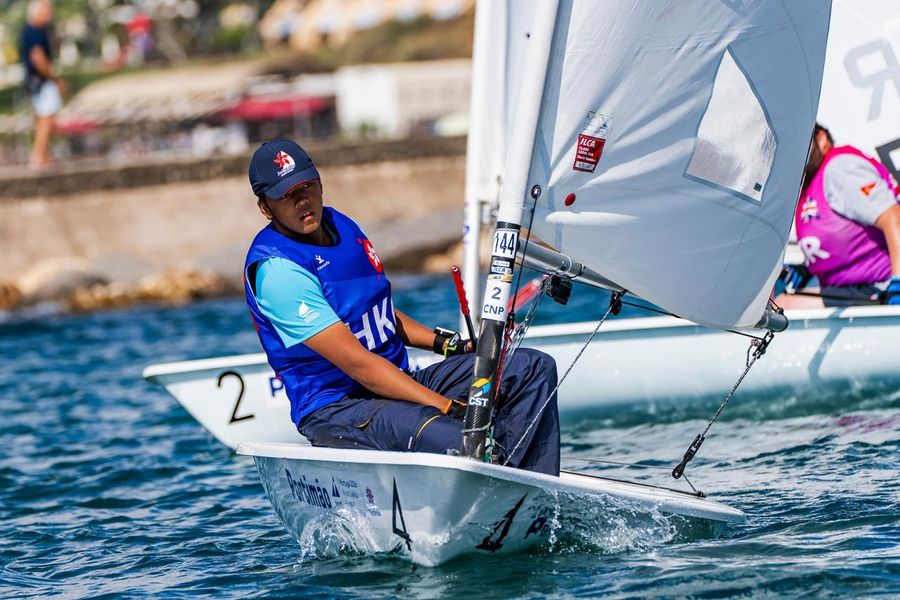
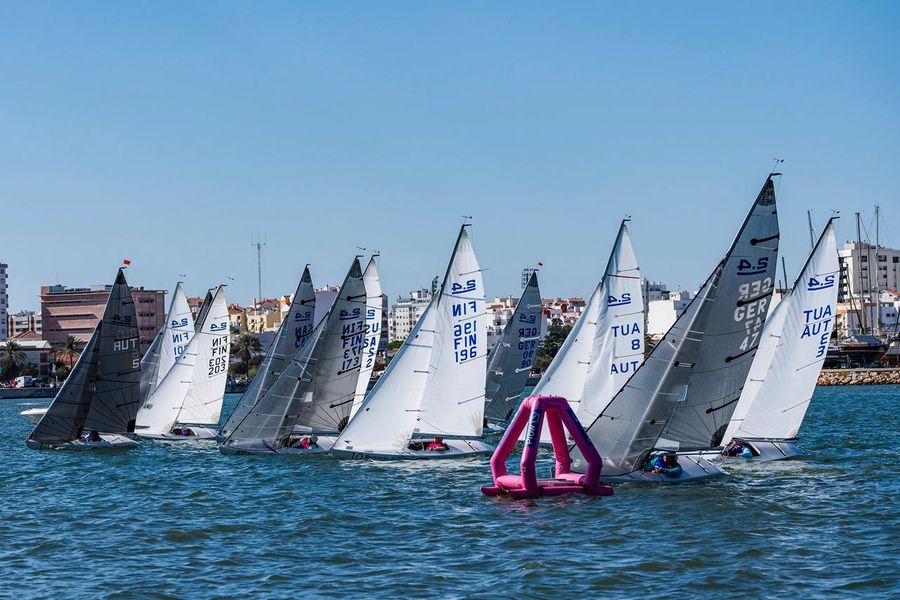
Elsewhere on the water, Tsz Hin Cheung of Hong Kong, China, and Portugal's José Campos remain in control of the Para Intellectual Impairment and Inclusive Cognitive Impairment fleets respectively, racing in the ILCA 6. Marko Dahlberg leads an all-Finnish podium bid in the 2.4mR class ahead of Rikard Bjurström and Niko Salomaa.
Sweden's Fia Fjelddahl-Patric Rosenberg hold the narrowest of leads in the RS Venture Connect class, level on points with Spain's Pau Toni Homar and Ramón Gutiérrez, while three teams are tied for third. Piotr Cichocki posted a perfect scoreline in the Hansa 303 fleet to move into second, though Germany's Jens Kroker still leads by three points. In the Challenger multihull class, Britain's James Coxon remains the lead boat after ten races despite India's Deepak Dikhit matching him win for win on the day.
Racing continues in Portimão through to Saturday 10 October, with the emerging nations now very much part of the story.