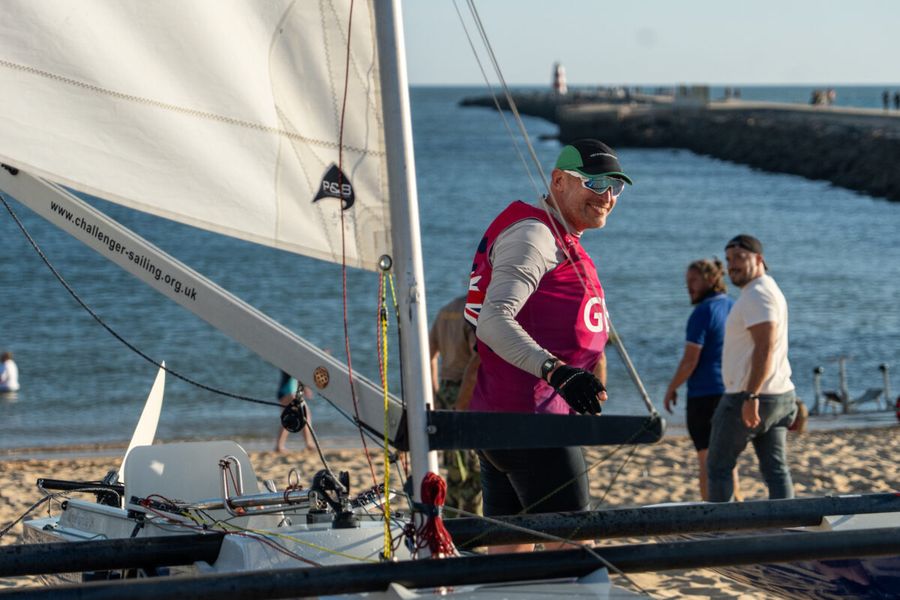
Visually impaired sailors competing at the 2026 World Sailing Inclusion Championships in Portugal have a blunt message for anyone who thinks sight loss should hold a person back on the water: it's "totally overrated."
That's the view of Shannon Madar, who controls the mainsheet for Trinidad and Tobago and has been blind from birth. For Madar, sailing offers something land-based life often denies: a genuine hit of speed and independence. No car licence, no motorcycle. Just wind and water.
VI sailing, as it's known, strips away the assumption that sailing depends on sight. Instead it runs on feel, sound, and trust between crew.
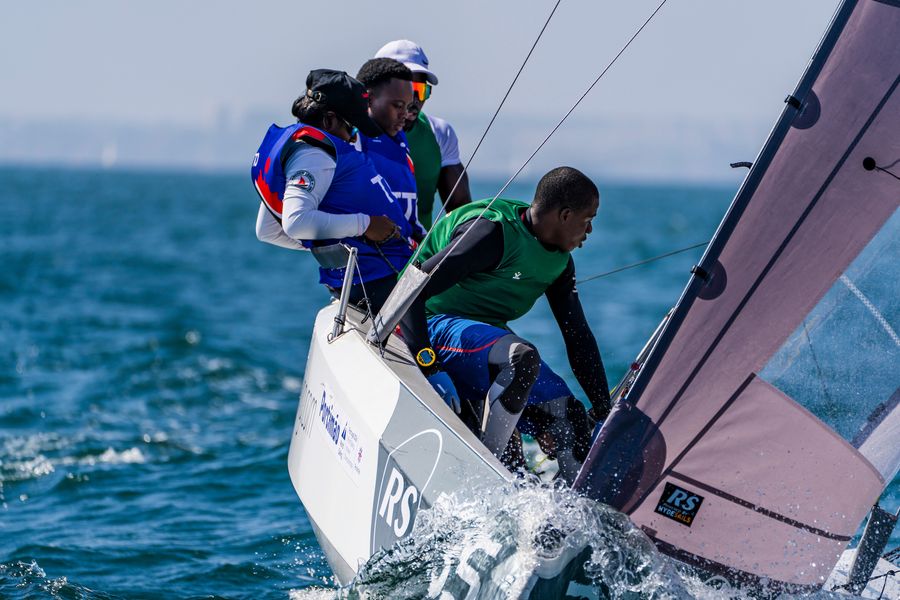
"Feel is a very critical thing when it comes to sailing. You feel the shifts of the wind, the waves, and the way the boat leans," says Jaidon Vincent, helmsman alongside Madar for Trinidad and Tobago. "The sound of the water as well can give you very important indicators as to whether your rudder is cantered."
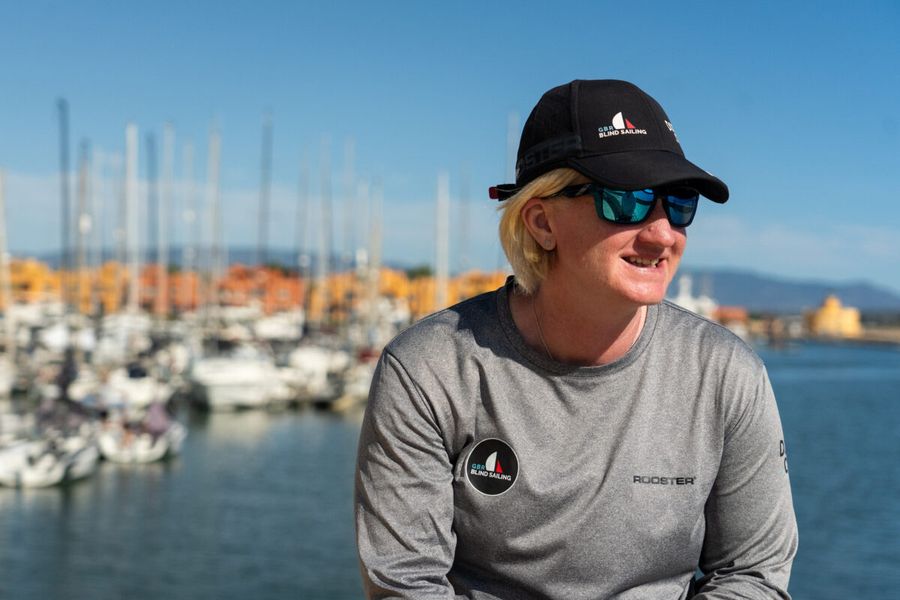
Lucy Hodges knows that intuition well. Currently leading her division in the Visual Impairment competition after day four of racing, she describes a near-physical merging with the boat beneath her.
"I've always made myself one with the boat," Hodges says, "being able to feel the speed, being able to feel when we're choked, knowing I'm on the breeze without sight."
Conditions in Portugal have ranged from light, patchy winds to 14-knot gusts throwing boats over sizeable swells. In both extremes, VI crews depend on sighted guides for spatial awareness, warning of obstacles and marks, while the VI sailors hold the helm or trim through feel alone.
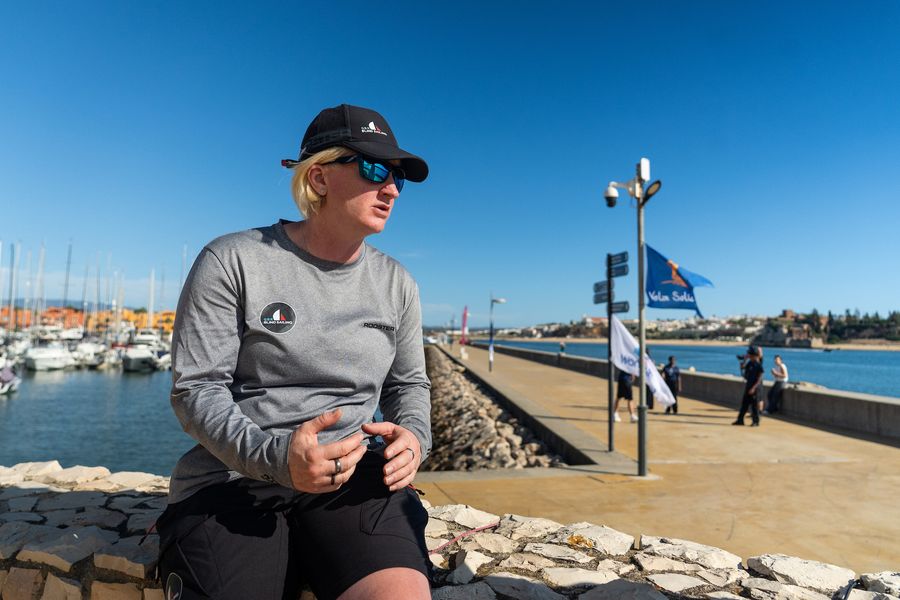
"A boat, if it's got four people on it and one person doesn't do their job, it doesn't go very quick," Hodges says. No one carries the boat alone out there.
Off the water, the challenges shift but don't disappear. Crowded, noisy event venues can be as tricky to navigate as a windy racecourse, and building friendships across language and nationality takes real effort. Hodges, one of the more experienced sailors in the fleet, spends time helping newer nations get their rigging right and their teams up to speed. Hong Kong, China, Japan, the USA, and Trinidad and Tobago are among those building their programmes in Portugal this week.
For Vincent, simply being there challenges perceptions back home.
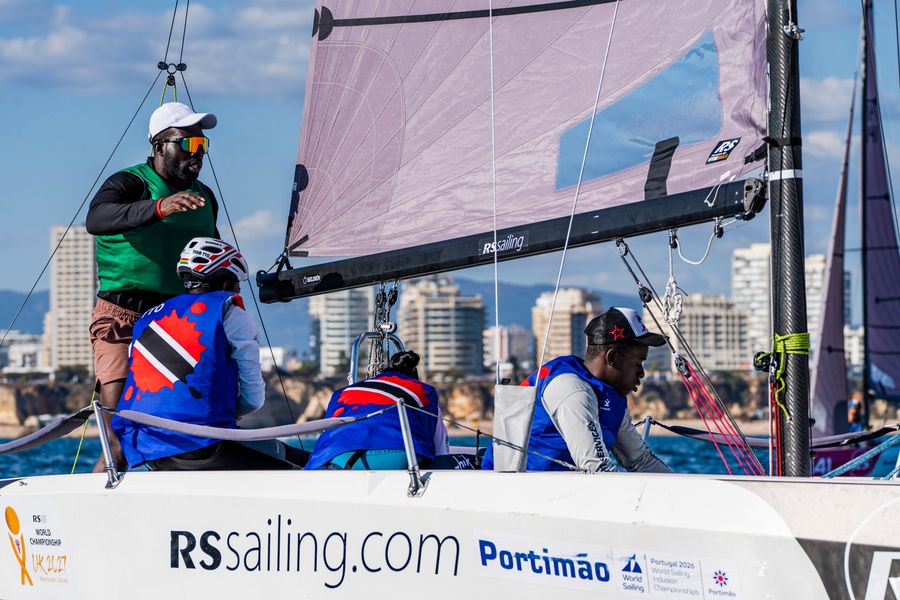
"Generally, there is a perception that disabled people should be coddled and not really be involved in physical activity. And that isn't true," he says. "To be here in sailing, it feels empowering to be able to, as we would say at home, mash up the glass ceiling!"
The Inclusive Development Programme continues to grow, part of a wider push to see Para Inclusive Sailing reinstated at the Paralympic Games. Grassroots growth in new countries and clubs is central to that case.
World Sight Day usually centres on eye health, prevention, and early detection. Out on the water in Portugal, the sailors are making a different point entirely: sight loss doesn't put a ceiling on ambition.