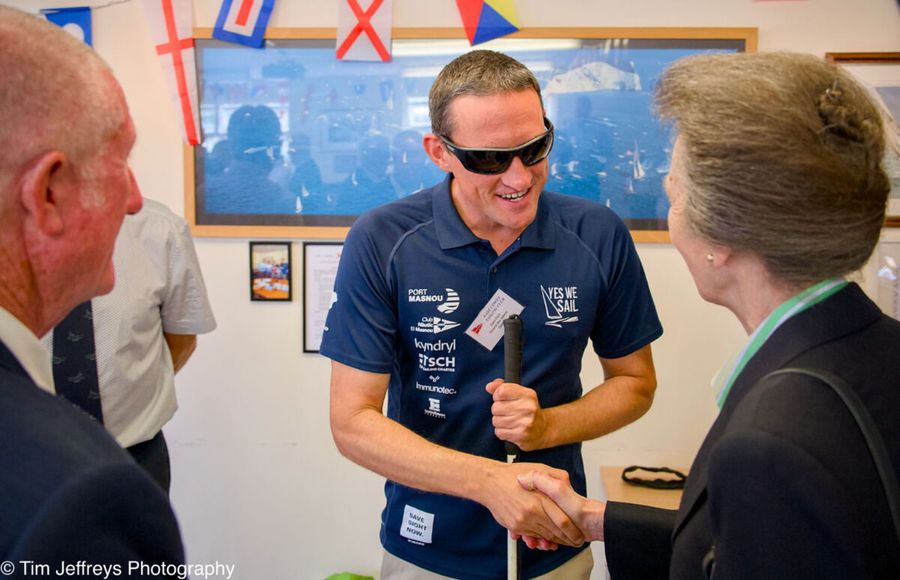
Dani Anglada Pich doesn't do things by halves. The Catalan sailor lost his sight at 31 in a shipboard accident near Hawaii, when a fire extinguisher exploded aboard the vessel he was captaining. He has spent the years since turning that setback into one of the more remarkable comeback stories in world sailing.
Now he's heading into the 2026 World Sailing Inclusion Championships, and he isn't going as a hopeful outsider.
Anglada arrives as a proven performer against the best crews in Para and inclusive sailing, backed by a run of results in 2025 that few in the sport can match.
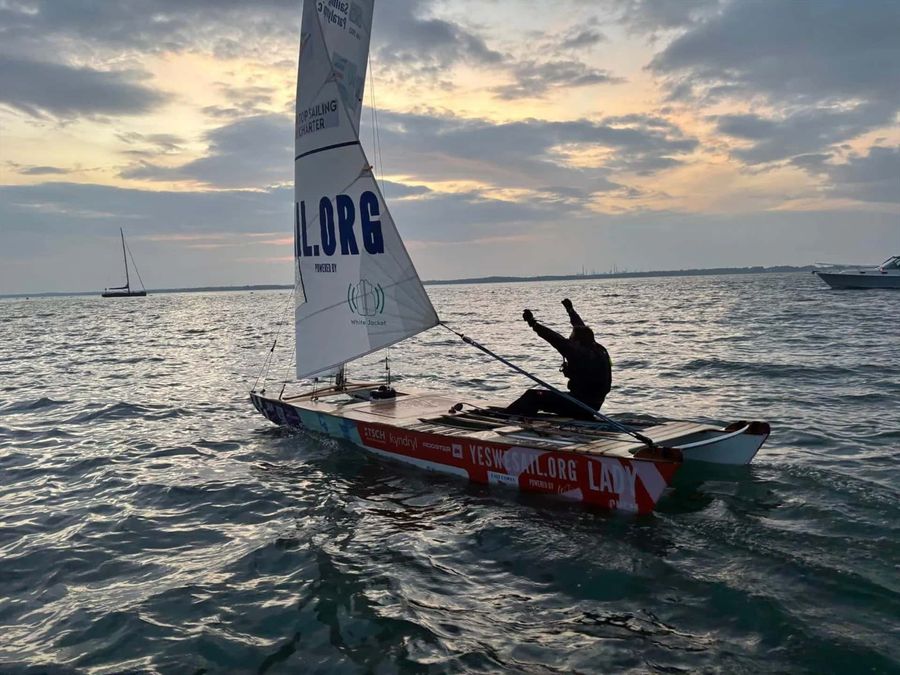
In July that year he became the first blind sailor to complete a solo, non-stop circumnavigation of the Isle of Wight. He sailed an unassisted Patí Català, a traditional beach catamaran with no rudder, centreboard or boom, covering the 70-nautical-mile course through tricky tidal gates in 13 hours and 8 minutes. It was a genuine feat of seamanship, done without sight and without the usual steering tools sailors rely on.
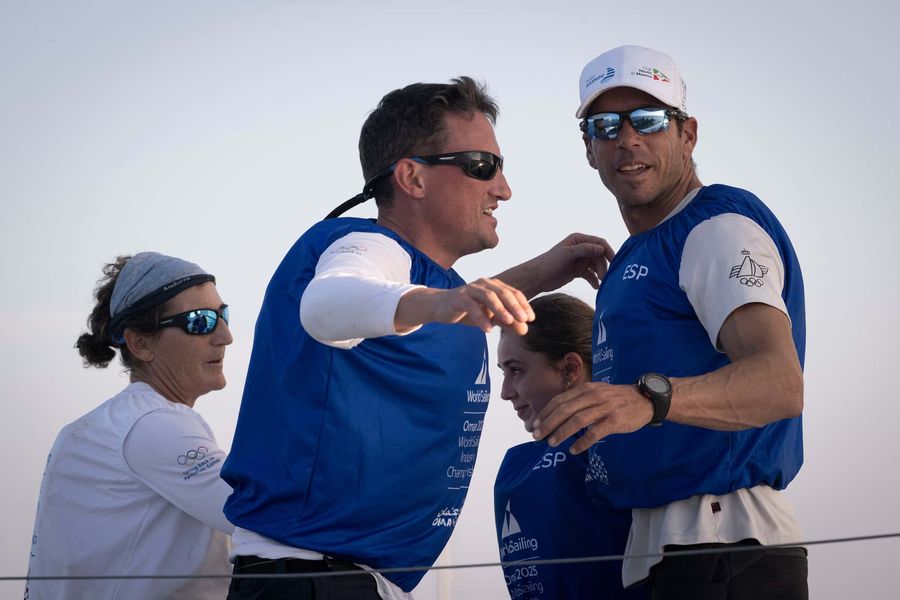
Months later he pulled together a crew in just three weeks and steered them to silver at the inaugural World Sailing Inclusion Championships in Oman. That team beat established international outfits, including British crews who had sailed together for more than 15 years, proof that his tactical instincts carry over from solo sailing to team racing.
The results kept the recognition coming. Anglada and his team, YesWeSail, were named among the world's top four teams nominated for the World Sailing Team of the Year Award 2025 in Dublin. Back home, he was named Sporting Spirit of the Year by the Unió de Federacions Esportives de Catalunya.
What makes him different isn't just grit. It's the method.
Anglada sails by reading the environment around him: picking up wind tone shifts through the sails, feeling vibrations through the hull, sensing tiny adjustments through the helm. YesWeSail, the association built around his sailing, has developed technology to support that, including IoT systems, data sonification, and haptic feedback protocols that let visually impaired sailors read wind, speed and positioning with real precision in the middle of a regatta.
The 2026 championships sit within something bigger than one event. Backed by Port Masnou, Club Nàutic El Masnou, and international partners including the East Cowes Sailing Club, Anglada's campaign is tied to a broader push to bring adaptive sailing back as a Paralympic discipline for the Brisbane 2032 Paralympic Games.
He's already picked up high-level attention along the way, including a personal audience with HRH The Princess Royal, Princess Anne, at the 200th edition of Cowes Week in August 2026.
Between the profile, the technology, and the results, Anglada heads to the start line with more than ambition behind him. He has the record to match it.