
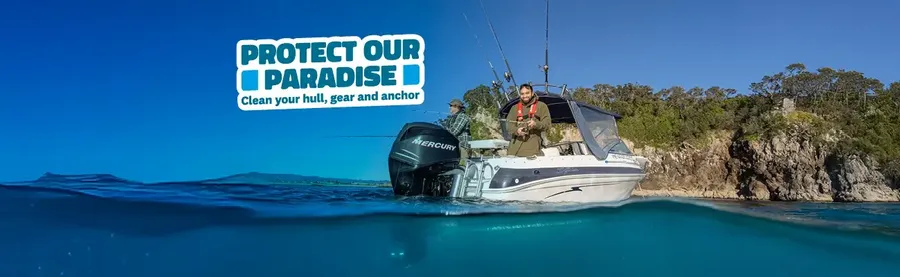
Protecting our Happy Place
For many of us, getting out on the water is what life is all about. Whether it's a family day trip, catching kai with mates, or simply escaping the everyday, the sea is our happy place. Keeping that marine paradise intact is something every boatie has a stake in, and right now that means taking invasive marine pests seriously. Species like exotic caulerpa and Mediterranean fanworm can cause real harm when they get established somewhere new.
Two Distinct Threats
Hull fouling has been talked about for years, and it remains a genuine concern for anyone with a moored vessel. Fouling species such as the clubbed tunicate and Mediterranean fanworm can hitch a ride on a poorly maintained hull and establish themselves somewhere new. Keeping your antifouling current and your hull clean is still essential.
The arrival of exotic caulerpa in northern waters has brought a second threat into focus. Unlike hull fouling, this risk comes from invasive seaweeds that spread as fragments, picked up by anchors, anchor chains, and any gear that goes near the seabed, including fishing and dive equipment.
The ask now extends to everyone, whether you moor your boat or trailer it. Every time you're about to move during a trip, check your anchor, anchor chain, and gear, then flick off any seaweed before you go.
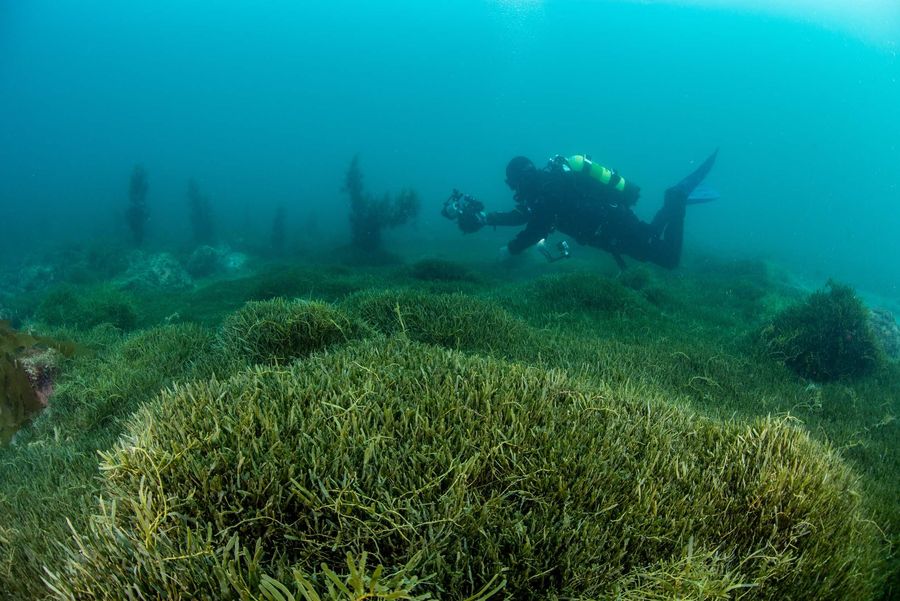
If you're boating in or near an exotic caulerpa controlled area, such as those in the Bay of Islands, the Hauraki Gulf, or off the Coromandel, the expectation goes a step further. Any seaweed you bring up should be bagged and taken ashore for disposal on land. If that isn't safely possible, return the seaweed to the water at the same location it came from.
Boaties heading to the bottom of the South Island should be aware that separate rules apply in those waters, put in place because of Bonamia, the oyster parasite, and Undaria in Fiordland. Check what's required before you leave home.
Regular Maintenance
Good vessel maintenance and biosecurity go hand in hand. A well-maintained boat is not only a pleasure to use and longer-lasting, it's also far less likely to be carrying unwanted hitchhikers.
For trailer boat owners, draining the bilge before leaving the water and hosing the boat down with freshwater when you get home should become part of the routine at the end of every trip.
For those with moored vessels, regular hull cleaning and keeping antifouling current are the habits that matter most. The most experienced boat owners tend to make this look easy, and the reason is straightforward: they've worked out the services they need and book them well in advance.
Know the Rules
Understanding the rules, both in your home region and anywhere you plan to visit, is just as important as the practical steps you take on the water. It pays to know before you go.
Several regions have enforceable standards for the level of hull fouling that's acceptable on a vessel. Beyond the rules themselves, there's a practical case for staying on top of it: the longer fouling is left, the harder and more expensive it becomes to remove. Keeping it light just makes sense.
Rules around in-water cleaning also exist in a number of regions. What comes off a hull during cleaning, including organisms and antifouling materials, matters, and the regulations reflect that.
Regional Marine Biosecurity Rules
Helpful Maps
Maps are a useful tool when it comes to planning trips around biosecurity restrictions, particularly as the exotic caulerpa situation continues to develop. There are three types of mapping resources worth knowing about.
Biosecurity New Zealand has worked alongside the New Zealand Hydrographic Authority to have caulerpa restricted areas marked on navigation charts across northern regions. These are being incorporated into commercial navigation products, including Navionics. Biosecurity New Zealand's geospatial team has also produced a new interactive map showing all the restricted areas around New Zealand's coastline and in rivers and lakes, with details about what each set of restrictions involves. Auckland Council is also running a map that shows both the restricted areas and locations boaties may wish to avoid to stay clear of caulerpa.
We all need to do our bit to stop these invasive pests from spreading and causing more harm. Most of what's needed fits naturally into good boating habits already. Let's keep our favourite spots pest-free so we can keep enjoying our boating paradise.
biosecurity.govt.nz/boaties