
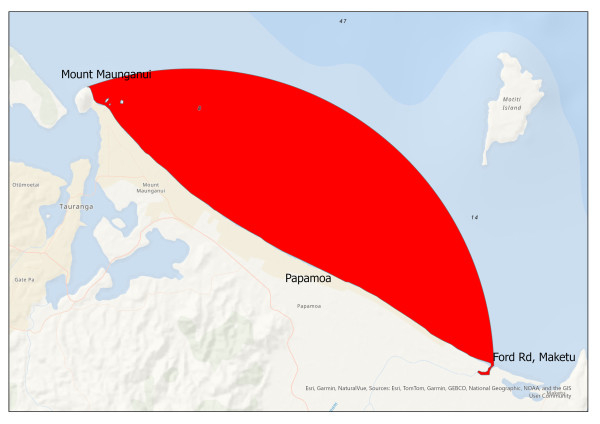
A revised warning for a busy stretch of coast
Recent testing along the Bay of Plenty coastline has confirmed paralytic shellfish toxins above safe levels, prompting a revised public health warning for anyone gathering shellfish between Mount Maunganui and Ford Road, just west of Maketu. The advice applies equally to boaties, divers and beachgoers who frequent this stretch of coast.
The warning was revised on 8 December and will remain in place until further sample results show that toxin levels have eased. Further updates will be issued as more samples are analysed.
Bivalve shellfish of all kinds fall within the scope of the warning. Mussels, oysters, tuatua, pipi, toheroa, cockles and scallops must not be taken from the affected area. The restriction also covers pūpū (cat's eyes) and Cook's turban. Cooking offers no protection. Boiling or steaming will not make the shellfish safe.
A small number of species can still be consumed if handled correctly. Pāua, crabs and crayfish are permitted, but the gut must be completely removed before cooking, as the toxin concentrates there and can taint the flesh if it remains. Finfish are not affected by the toxin, though anyone catching fish in this area should gut their catch and discard the liver before cooking.
Paralytic shellfish poisoning can develop quickly. Symptoms may appear within 10 minutes of eating contaminated shellfish, though in some cases they may take up to three hours to appear. Early signs include tingling or numbness around the mouth, face, hands or feet, along with difficulty swallowing, dizziness and headache. Nausea, vomiting and diarrhoea are also common. In severe cases the condition can progress to paralysis and breathing failure. Anyone who feels unwell after eating shellfish from this part of the coast should seek medical help right away.
The coastline itself remains open, and this time of year draws plenty of cruising boats, family fishing trips and recreational divers to the area. Gathering shellfish from the affected zone is the one activity that must be avoided until the warning is lifted. Taking finfish remains acceptable as long as the usual gutting practice is followed. Anyone planning holiday cruising or fishing along this stretch should check for updated results before heading out, since ongoing testing could shift the boundary of the affected area or extend the warning.