
Near the Azores, Route du Rhum skippers are used to studying weather files, tracking rivals and chasing every shift in the wind. But in this stretch of the Atlantic, another factor comes into play, one that doesn't show up in any routing software.
Sperm whales and other marine mammals have been using the waters around the archipelago for far longer than sailors have. That history counts for something.
Race organisers have identified a vigilance zone aimed at reducing the risk of collisions with cetaceans. This is not about closing off part of the Atlantic to traffic. The idea is simply to flag an area heavily used by these animals, whose movements are notoriously hard to predict, so competitors keep it front of mind.
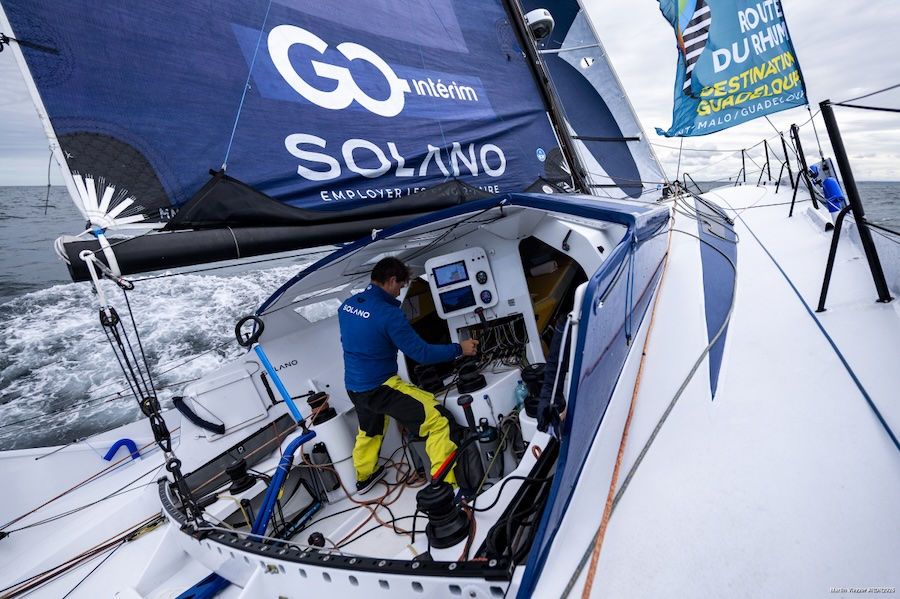
In a sport where boat speeds keep climbing, the precaution makes sense. Several boats in the fleet carry OSCAR, a monitoring system that uses cameras and artificial intelligence to spot obstacles on the water's surface and warn sailors. It amounts to an extra set of eyes, though the technology cannot guarantee a sighting, particularly when an animal is submerged. Performance and environmental care, it turns out, can go hand in hand.
There is just one catch. Cetaceans do not read race notices or vigilance charts, and nobody has told them a fleet is due in Guadeloupe as quickly as possible.
Olivier de Kersauson once summed up the situation rather more colourfully: "When a 45-tonne sperm whale comes from starboard, it has right of way. Come to think of it, when it comes from port as well."