Australia's Tom Slingsby announced SailGP's Geneva debut in emphatic style, steering the BONDS Flying Roos to the overnight lead despite penalties and poor starts along the way. Time and again, when rivals faltered or dropped off their foils, Slingsby kept the Flying Roos moving and converted difficult positions into solid points. That ability to manufacture results when everything is working against him has defined his reputation in the sport.
“Consistency is everything,” Slingsby explained. “We just trusted the boat speed and kept pushing.”
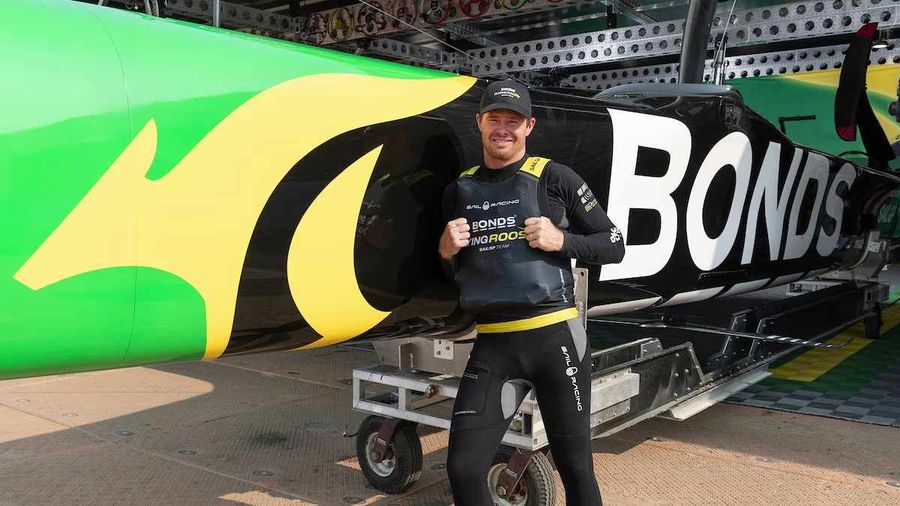
That composure under pressure is not going to get a rest anytime soon. Later this month, Slingsby steps off the F50 and onto Phoenix, joining Kyle Langford and Will Ryan for the 52 Super Series finale in Sardinia. The contrast between the two campaigns could hardly be more pronounced.
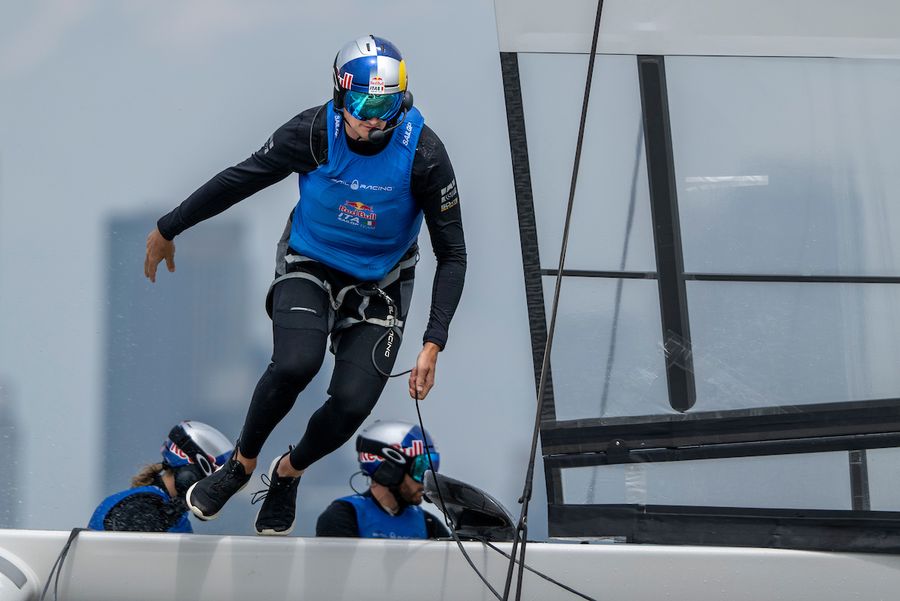
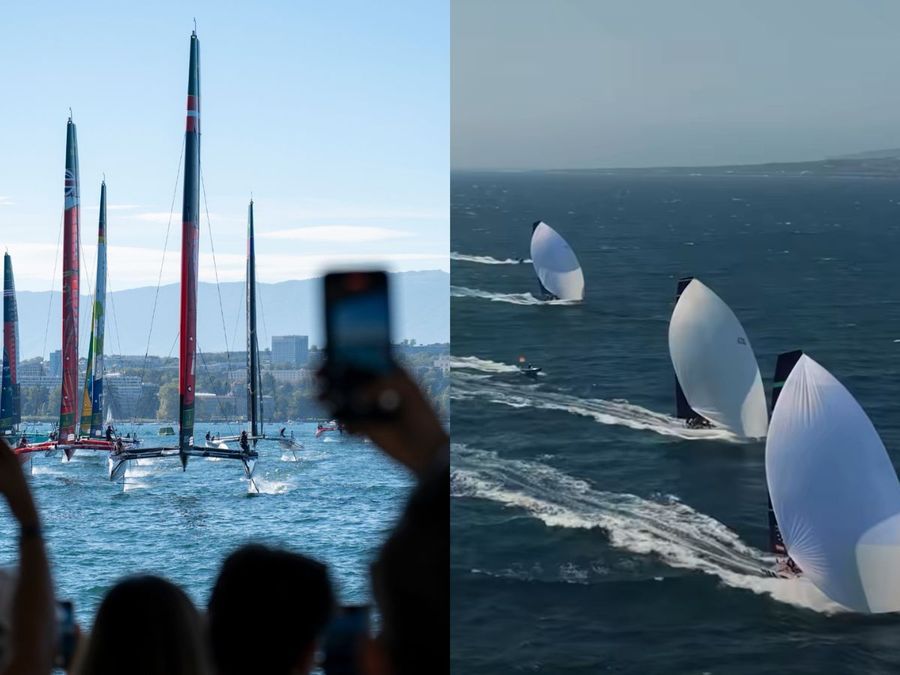
SailGP's F50 is a 50-foot foiling catamaran capable of reaching speeds up to four times the true wind speed, skimming above the water on carbon foils with a crew of just three in Geneva's light-air configuration. Races are decided in under 20 minutes, manoeuvres are brutally physical, and the margin between a good decision and a catastrophic one is measured in fractions of a second.
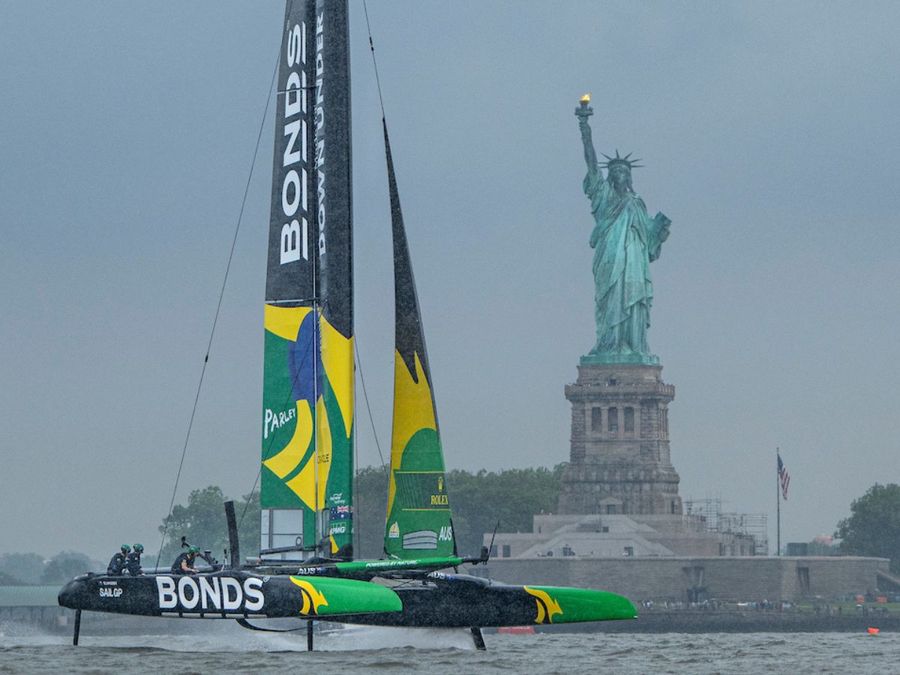
Phoenix occupies an entirely different world. The TP52 is a 52-foot carbon monohull, built to the limit of its class rules and carrying a powerful square-top mainsail over a deep fin keel with bulb. Where the F50 runs on instinct and aggression, Phoenix demands patience, precision, and the kind of coordinated effort that only comes from a full complement, potentially 12 strong, working in perfect unison across the afterguard and trimmers.
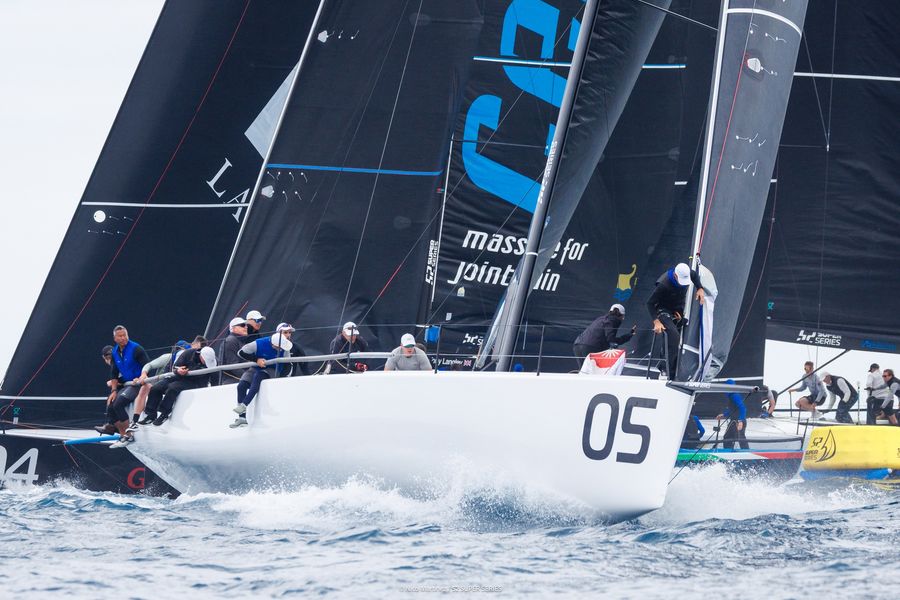
Strip away the hardware, though, and the two boats share the same core requirements: immaculate boat handling, complete commitment to teamwork, and the capacity to read pressure shifts and angles before anyone else on the water does.
Owned by Hasso and Tina Plattner and sailing under South African colours, Phoenix arrives in Porto Cervo with an afterguard built predominantly on Australian talent. Slingsby contributes his tactical sharpness, Langford brings trimming expertise honed across foiling campaigns, and Ryan adds the precision that earned him an Olympic gold in the 470 class. Together, they form one of the strongest afterguard combinations in the 52 Super Series fleet.
Their challenge in Sardinia is straightforward to describe and difficult to execute: reproduce the consistency Slingsby showed in Geneva, but across races that run closer to two hours than 20 minutes. On an F50, a moment of aggression can recover a losing position in seconds. On a TP52, a mistimed tack or a botched gybe early in a race can prove impossible to undo. The long game rewards the composed, and that is precisely what Phoenix's crew must deliver.
The crossover also speaks to the depth of the Australian sailing programme. Slingsby has become the defining figure of SailGP through his knack for clawing back races from poor positions. Langford has built a career on versatility, shifting between America's Cup campaigns, foiling circuits, and monohull racing without missing a beat. Ryan has demonstrated how swiftly the disciplines transfer, taking elite dinghy skills and applying them at the highest levels of professional racing.
An F50 and a TP52 may appear to belong to separate sports entirely, one a flying machine, the other a purpose-built grand-prix keelboat with its keel in the water. Yet the attributes their sailors need are consistent: reading the breeze accurately, trusting those alongside you, and keeping a clear head when the pressure builds. That common thread is why Slingsby, Langford, and Ryan can compete at the front of both disciplines within the same month.
With SailGP continuing in Geneva and Phoenix preparing to line up in Porto Cervo, Australia's best sailors are simultaneously at the centre of two of the sport's most demanding arenas. Should Slingsby and his crew carry their Geneva momentum across to Sardinia, Phoenix could yet finish the season on a high. Three Australians are showing, on two very different stages, that the skills required to win races at the highest level are far more transferable than the boats themselves might suggest.