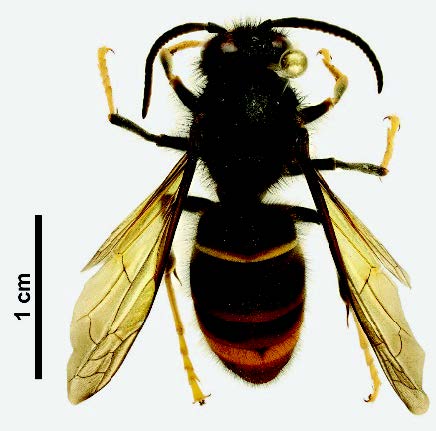
Biosecurity New Zealand has confirmed the first detections of yellow-legged hornets (Vespa velutina) in the country, with the invasive species turning up on Auckland's North Shore and prompting an urgent response from authorities and the public alike.
The initial sighting occurred on 17 October, and since then officials have located and removed four queen hornets along with their nests. Three were found in Glenfield and one in Birkdale, approximately 1.3 kilometres from where the species was first spotted.
Mike Inglis, North Commissioner for Biosecurity New Zealand, says the response has been swift but the job is not finished. "We responded quickly to this threat, but we continue to need the public's help to eliminate any further risk," he says.
More than 1,000 notifications have come through by email and phone since authorities put out the call, and no new confirmed detections have been recorded since the weekend. To build on that, 120 traps are being placed across areas where hornets have previously been found.
"We're laying traps in a measured way in the areas where females have been found," Inglis explains. "By the end of today, we'll have 120 traps in the field."
Originally from Asia and now firmly established across much of Europe, the yellow-legged hornet presents a genuine threat to New Zealand's environment and economy. It preys on honeybees and wild pollinators, both of which underpin native ecosystems and the commercial horticulture sector. Unlike affected nations overseas, New Zealand is not looking to manage the species but to eradicate it entirely.
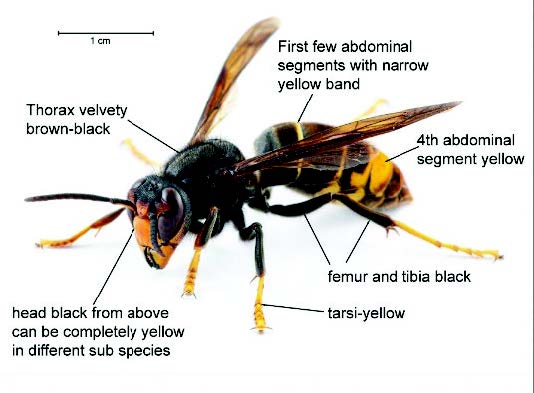
"Many countries throughout Europe and Asia have the yellow-legged hornet and manage it. However, we don't want it here," Inglis says.
Knowing what to look for matters. Yellow-legged hornets are medium to large insects with dark bodies, a narrow waist between the thorax and abdomen, and the distinctively yellow legs that give them their name. They are smaller than the Asian giant hornet (Vespa mandarinia), though they remain aggressive when a nest is threatened. Anyone who suspects they have spotted one should not attempt to handle it or interfere with a nest. Authorities are asking only that reports be made when a live or dead specimen, a clear photograph, or a visible nest is available to describe.
Sightings can be reported online at report.mpi.govt.nz or by calling the Biosecurity New Zealand exotic pest and disease hotline on 0800 809 966.
For those who spend time on and around the water, the message carries particular weight. Hornets frequently build nests in sheltered, elevated spots including under eaves, in trees, and among shoreline vegetation, the kinds of places that boaties, sailors, and fishers pass through regularly. Staying alert and reporting promptly could go a long way toward stopping the species from gaining a foothold.
"It's a fantastic response from the public so far," Inglis says. "We're tracking it down, together."