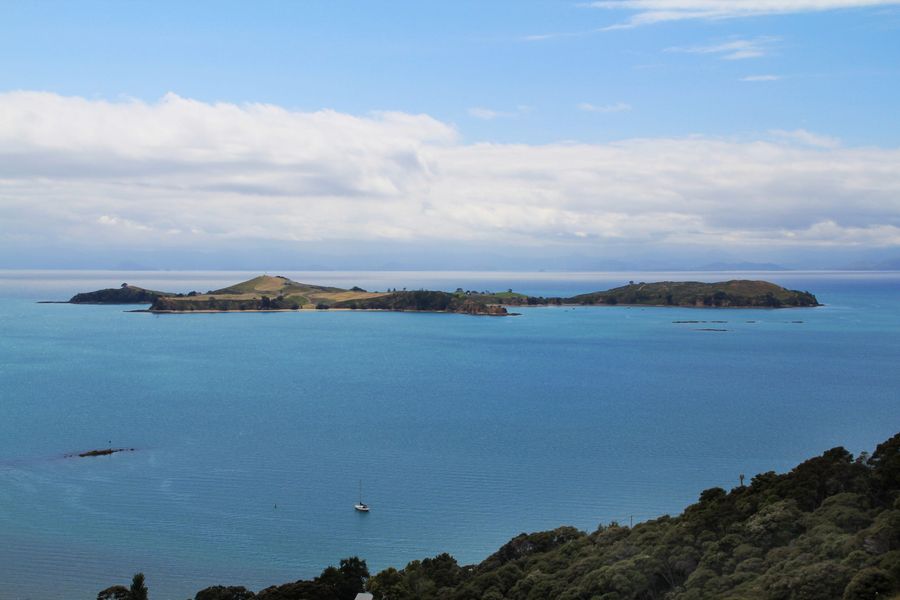
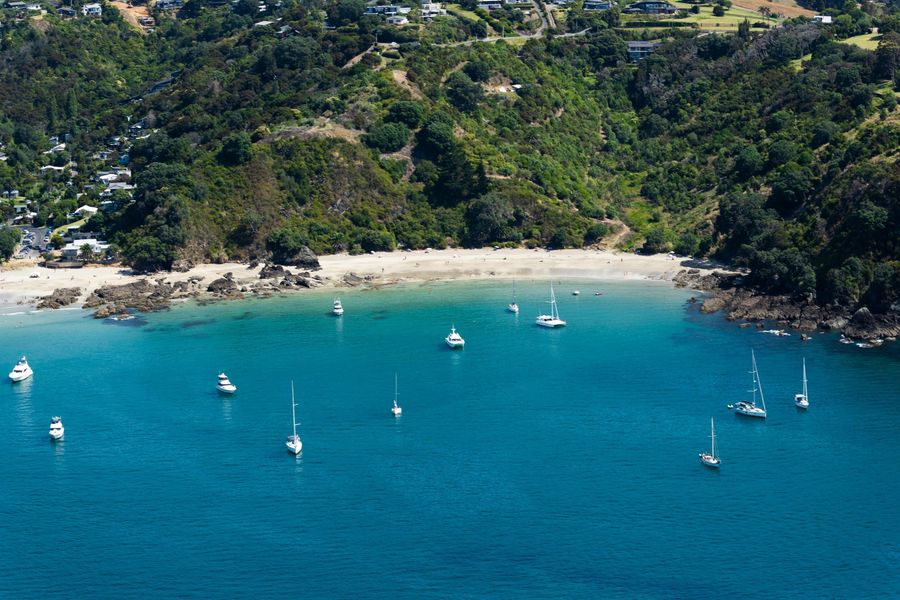
For anyone who has dropped anchor in the sheltered waters between the Coromandel Peninsula and Great Barrier Island, the appeal of the Hauraki Gulf needs no explanation. Stretching across a significant portion of the Auckland region and taking in the Hauraki Plains, the Gulf is a marine coastal treasure, and keeping it that way for future generations is one of my top priorities as Mayor of Auckland.
Two sets of measures are currently working to do exactly that. The first addresses the very real threat posed by exotic caulerpa seaweed, through Controlled Areas Notices (CANs). The second is the Hauraki Gulf/Tipaka Moana Marine Protection Act, recently passed by Parliament. Both involve some restrictions on access, but those restrictions exist for a good reason: protecting the marine environment we all value.
Exotic caulerpa is actually two species of fast-spreading seaweed with a destructive capacity for growth. Left unchecked, these plants smother seabeds and disrupt fishing, boating, and cultural activities, making them a serious concern for every ocean user. The challenge is preventing them from reaching new locations, and that is where boaties have a direct role to play.
Before moving to a new location, check that your vessel and all gear are completely clear of seaweed. Be familiar with the legal requirements that apply in affected areas. Exotic caulerpa has already been found in popular anchorage spots across the Hauraki Gulf, so you may need to avoid disturbing the seafloor or thoroughly clean your anchor and equipment before departing.
If you spot something that looks like exotic caulerpa, take a photo, note the location, and call the exotic pest and disease hotline on 0800 80 99 66. Early reporting makes a genuine difference. For current information on affected areas, Biosecurity New Zealand's website carries the latest updates.
The Hauraki Gulf/Tipaka Moana Marine Protection Act represents a significant shift in how the Gulf is managed. Before its passage, just 0.3 per cent of the Gulf held high-protection status. That figure now sits at approximately 6 per cent, and in total around 15 per cent of the Gulf benefits from some form of protection. Recreational fishers retain access to the remaining 85 per cent and can enter areas from which commercial fishing is excluded.
In practical terms, the Act extends two existing marine reserves, establishes five seafloor protection areas aimed at better safeguarding the seabed, and creates 12 High Protection Areas where most commercial and recreational fishing is restricted. Within those High Protection Areas, biodiversity will have the space to recover and flourish. The Act will also work alongside the Resource Management Act to help manage land-based pressures such as sediment runoff.
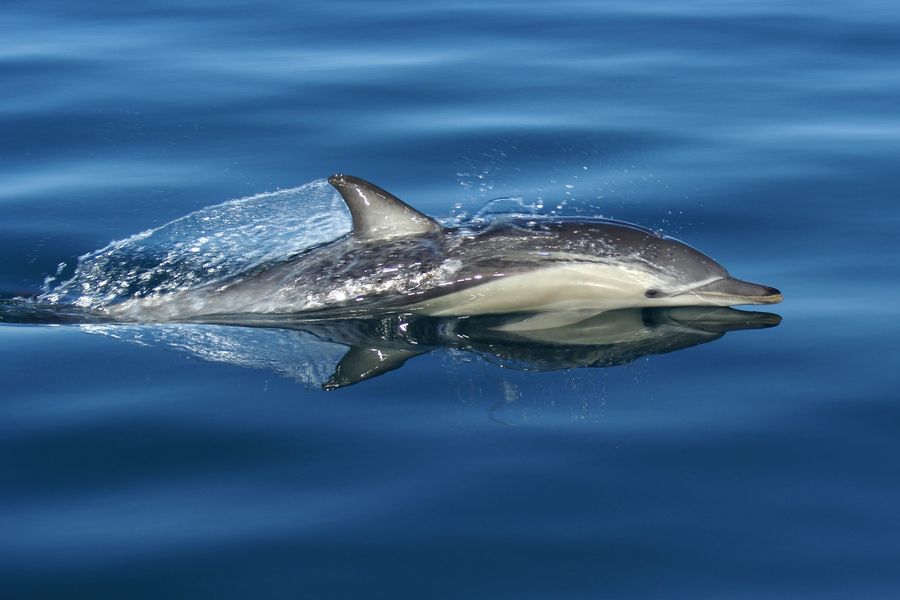
Anyone who spends time on the Gulf understands how special it is. Both the caulerpa measures and the Hauraki Gulf/Tipaka Moana Marine Protection Act are responses to that reality. If we want to go on fishing, harvesting kai moana, and enjoying a healthy ecosystem, some degree of restriction is the price we pay. The goal is straightforward: a Hauraki Gulf that remains worth visiting, worth protecting, and worth handing on to the generations that come after us.