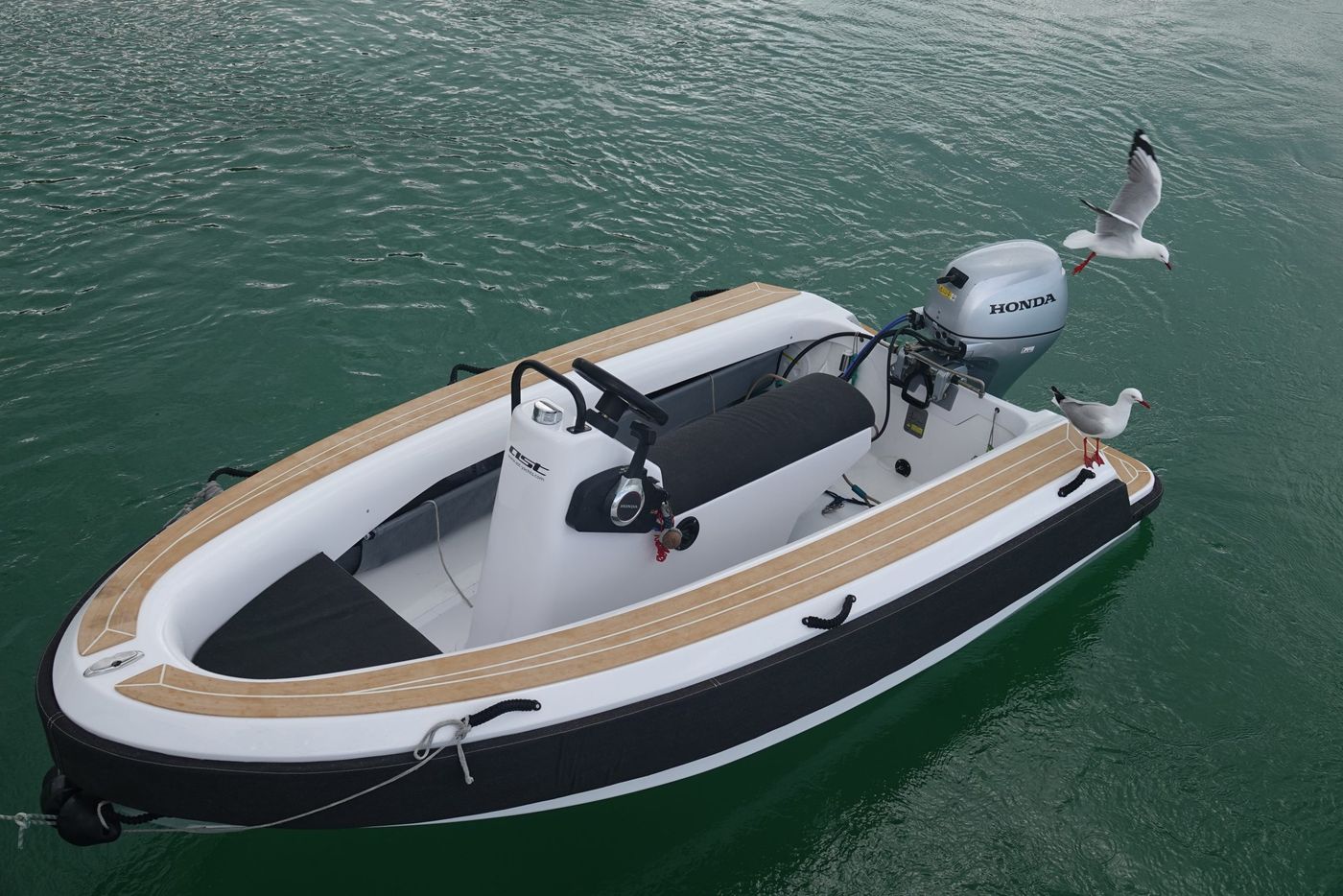
Kiwi boaties with connections to the superyacht world will likely know the AST name already. The brand's lightweight carbon tenders are represented in New Zealand by Lowe Yachts, acting on behalf of Carbon Yachts as the formal local representative. Operating out of Auckland's North Shore, the team services superyacht owners and crews travelling through New Zealand and across the broader Pacific region.
AST has expanded its lineup with two significant developments: a new 3.1-metre model joining the ASTender family, and a folding transom option designed to tackle one of the most persistent challenges aboard larger yachts, the chronic shortage of tender garage space.
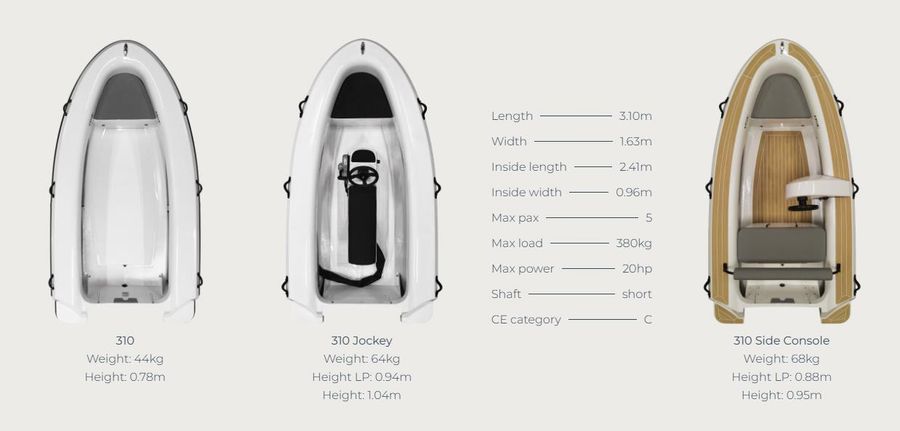
The ASTender 310 slots neatly into the gap between the existing 280 and 340 models. It is aimed at yachts that require a compact, light tender but are unwilling to sacrifice either performance or seating versatility. Three configurations are available: tiller steering, a jockey seat layout, or a side console arrangement, giving buyers the ability to match the boat to its intended role. Whether the task is a quick harbour transfer or a faster run with guests aboard, that level of tailoring reflects a broader shift in how tenders are specified today. Rather than being treated as interchangeable accessories, they are increasingly purpose-built for particular jobs.
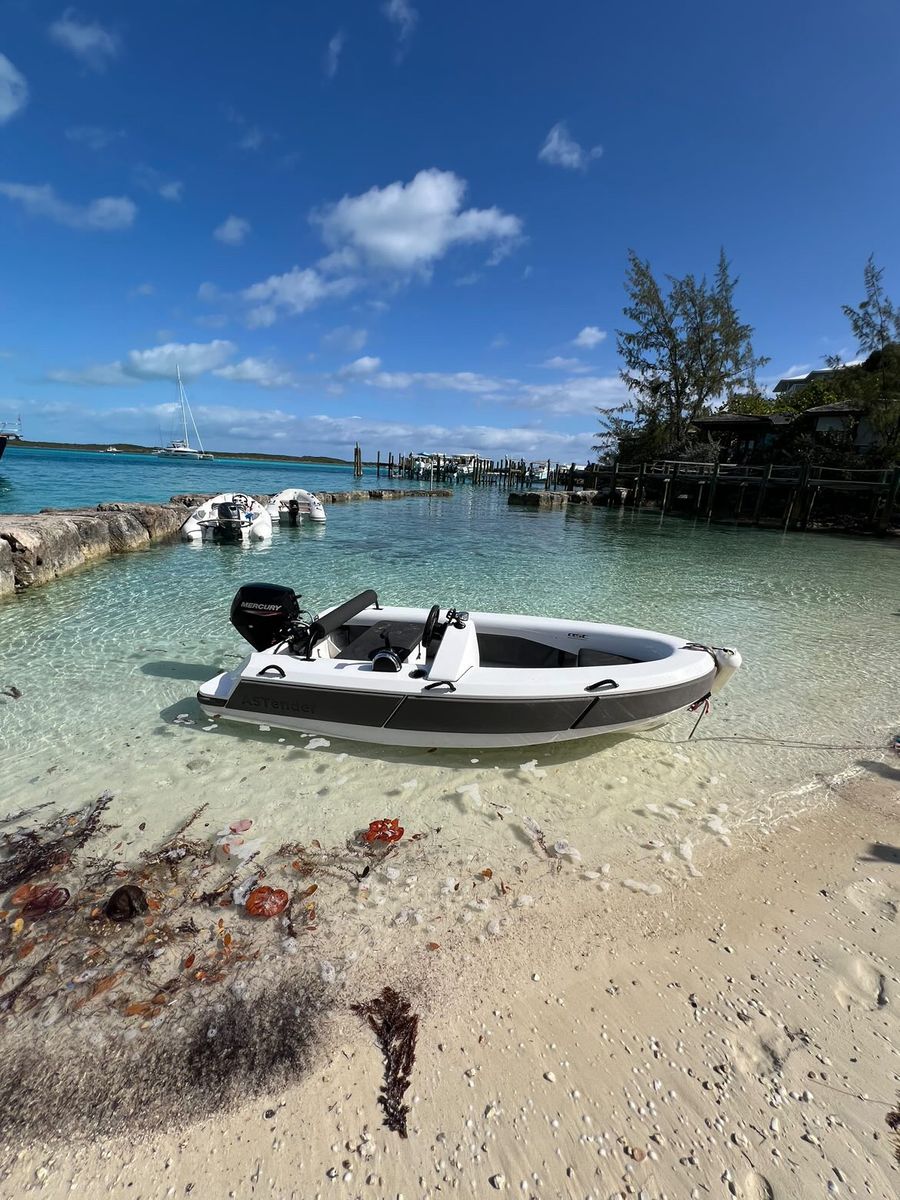
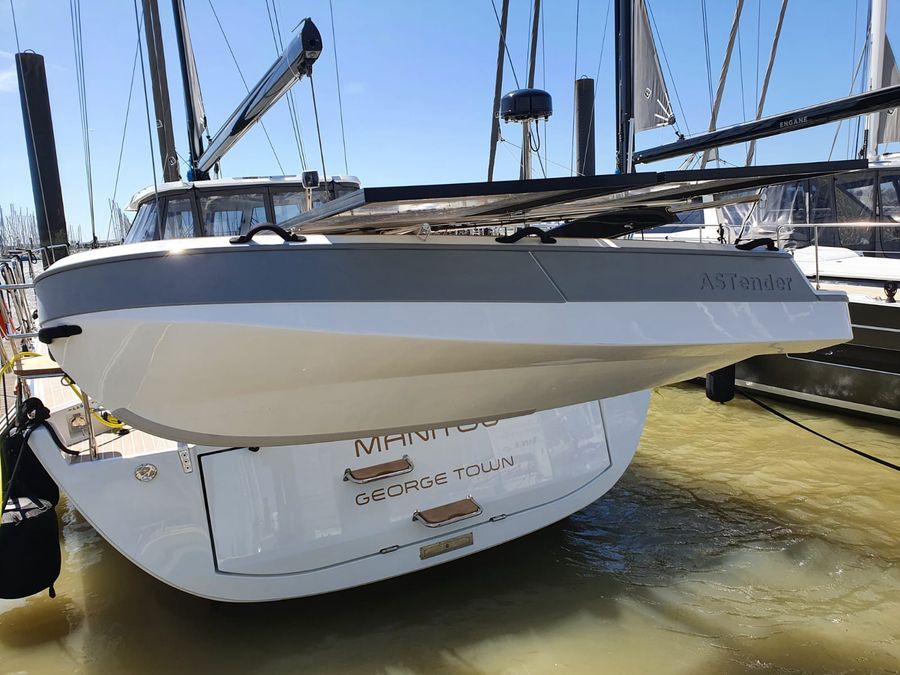
The folding transom, available across the 280, 310, and 340, addresses a challenge that crews on modern superyachts encounter regularly. Tender garages on contemporary builds are frequently engineered to minimal tolerances, leaving little margin for a tender that is even slightly oversized. By reducing overall length when folded, the new system makes storage more practical and simplifies both launch and recovery where lifting angles or clearances are restricted. The change is an operational improvement rather than a styling exercise.
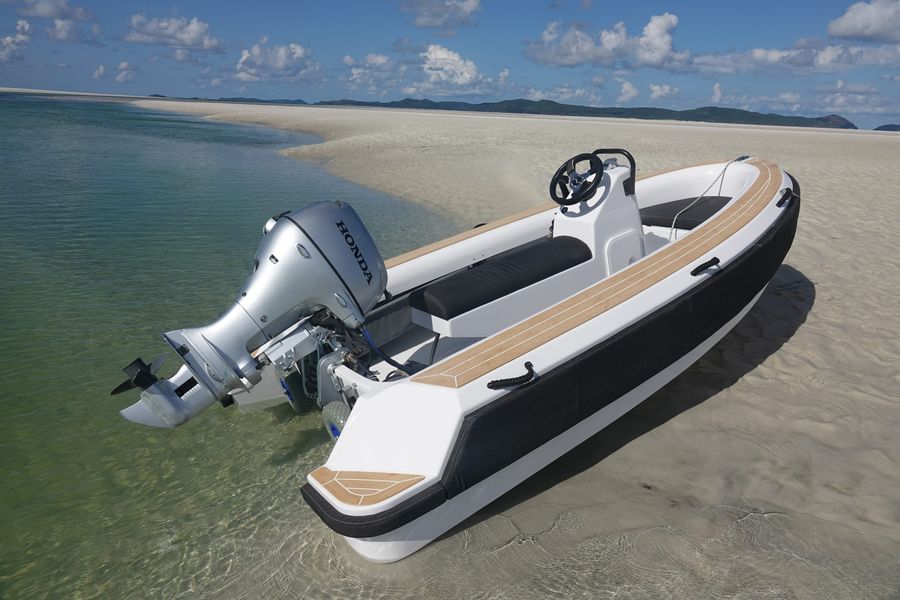
Construction across the ASTender range centres on a rigid carbon fibre hull, with starting weights from just 44kg. Keeping mass this low has tangible benefits: handling improves, efficiency increases, and the boats become well matched to electric outboards, which are appearing with growing frequency on superyacht tenders. The entire range carries CE Category C certification and incorporates multiple sealed buoyancy compartments, producing an unsinkable hull design. The construction philosophy is straightforward: use carbon to reduce weight and keep the design clean, rather than introducing unnecessary complexity.
Founded in Germany in 2017, AST has carved out a notable position in the superyacht tender segment in under a decade. That reputation rests on a consistent focus on weight reduction, considered design, and a willingness to customise.
The updated ASTender lineup, including the new 310 and the folding transom option, is scheduled to be shown at Boot Düsseldorf in January 2026.